Ecoversity: 6-Month Online Permaculture Design Cert.
PermaNews Brief
Key Takeaways
Ecoversity offers a comprehensive 6-month online Permaculture Design Certification, blending live and recorded sessions to equip students with practical skills for ecological design.
- Master permaculture ethics, principles, and indigenous wisdom.
- Learn site analysis, zone planning, and digital design mapping.
- Develop abundant food systems and regenerative designs.
- Collaborate on a land design project with expert feedback.
- Gain a globally recognized Permaculture Design Certificate.
Why It Matters
This certification provides a structured pathway to understanding and implementing permaculture principles, enabling individuals to create sustainable and regenerative systems in various environments.
What to Do Next
Explore the Ecoversity website for more details on course content and instructor bios.
Recommended for: Anyone seeking a thorough and flexible online permaculture design certification with a focus on practical application and global community building.
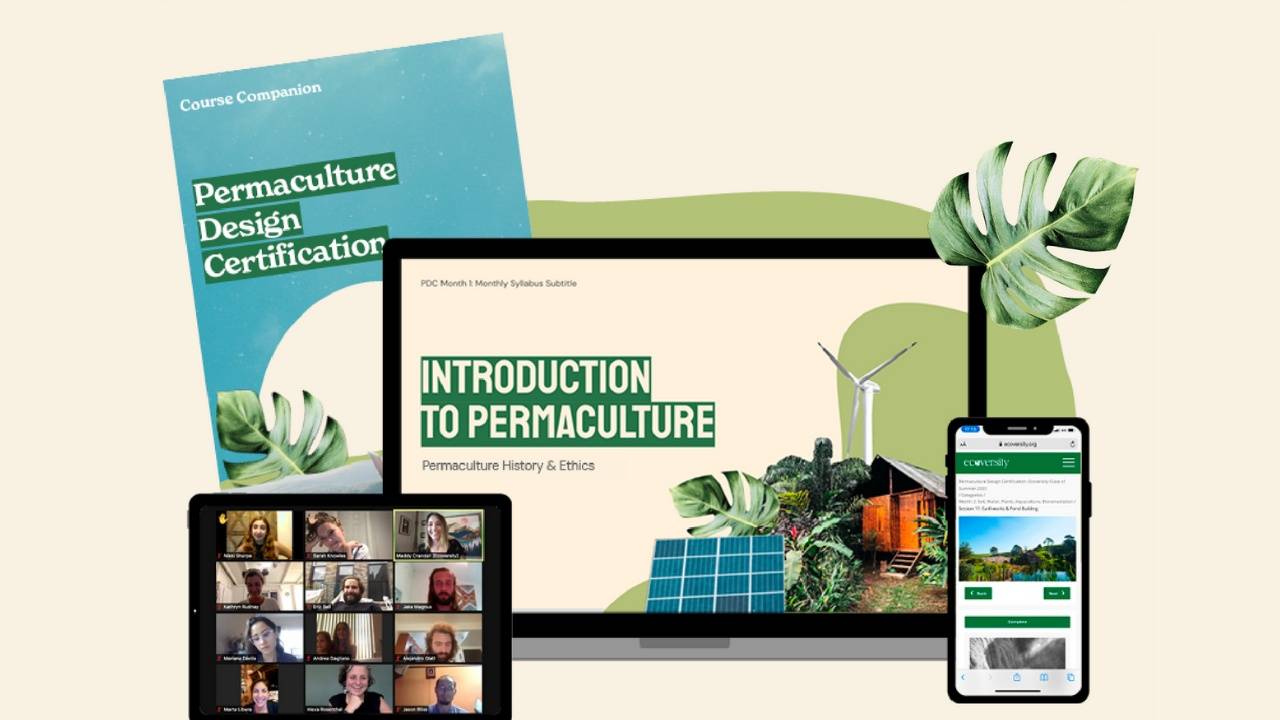
Ecoversity's 6-Month Online Permaculture Design Certification runs from February 10th, 2026, to August 4th, 2026, delivering 72 hours of content through 25 live classes and 38 recorded lectures every Tuesday, fostering a global community. Led by regenerative experts like Itai Hauben, it covers permaculture ethics, principles, indigenous wisdom, natural patterns, site analysis with zones and sectors, and digital design mapping. Participants master abundant food systems, regenerative principles, and resilient space design for urban and suburban areas. The program includes a collaborative land design project with expert feedback, culminating in a globally respected PDC endorsed by PINA. Modules progress from introductions to advanced applications, emphasizing real-world impact through sustainable techniques for nutrient-rich food supplies and eco-friendly environments. Live sessions enable interaction, while asynchronous materials allow flexible review. Key skills include applying the 12 core permaculture principles, honoring indigenous practices, and using tools like sector mapping for climate-resilient designs. Graduates are empowered for ecological careers in consulting, teaching, or community projects. The extended format builds deep understanding over time, ideal for working professionals. It highlights pathways to regenerative living, such as food forestry and social permaculture. This certification stands out for its emphasis on practical, feedback-driven design, preparing participants to transform landscapes into thriving systems that mimic nature's productivity and resilience.
Source: ecoversity.org
Related Analysis
- Lo-TEK Institute Challenges Conventional Agriculture with Ancestral Wisdom — Indigenous practices are offering innovative frameworks for regenerative agriculture, emphasizing holistic ecological ap…
- Indigenous Ways Pioneer Regenerative Design Integration — New approaches in regenerative design and permaculture are integrating Indigenous frameworks, moving past Western-centri…
Related on PermaNews
- Ernst Götsch's Cacao Syntropy: Master Agroforestry Now (How-To Guide)
- Finnish Off-Grid: Rocket Mass Heater Performance in Greenhouse (Case Study)
- Designing Regenerative Resilience: Participatory Living Labs (How-To Guide)
- Berlins schwimmende Gärten: Permakultur auf dem Wasser (Case Study)
- Lo—TEK: Indigenous Tech for Climate Solutions (Article)
- Rodale Report 2025: Thermal Mass Boost in Solar Greenhouses (Case Study)
Explore more in Community, Policy & Systems Change — the full hub for this knowledge area.