SoCal Syntropic Stroll: Passive Support thru Plants
By Rogue Regenerative Agriculture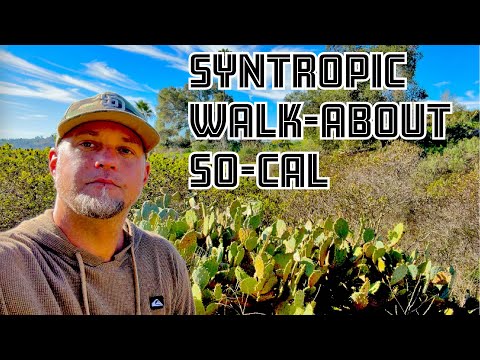
PermaNews Brief
Key Takeaways
Syntropic farming in Southern California showcases how designing with nature, using support plants, and passive work can create productive, resilient ecosystems.
- Mimic natural forest succession for ecological health.
- Utilize support plants to enhance ecosystem function.
- Design systems for reduced human intervention.
- Implement chop-and-drop for soil enrichment.
- Layer plants to optimize light and resources.
Why It Matters
Syntropic farming offers a pathway to sustainable agriculture by reducing labor, enhancing biodiversity, and improving soil health, vital for long-term food security.
What to Do Next
Explore how nitrogen-fixing trees can be integrated into your perennial system for chop-and-drop mulching.
Recommended for: Gardeners, farmers, and land stewards interested in ecological design principles for sustainable food production and ecosystem restoration.
The article from Rogue Regenerative Agriculture describes a "Syntropic Nature Stroll" experience in Southern California, highlighting the principles of syntropic farming and their application in a real-world setting. The core concept revolves around creating self-sustaining, biodiverse ecosystems that mimic natural forest succession, ultimately leading to increased productivity and reduced human intervention.
The stroll began with an introduction to the fundamental ideas behind syntropic agriculture, emphasizing the importance of understanding natural processes rather than fighting against them. A key takeaway was the concept of "support plants," which are species intentionally integrated into the system not for their direct harvestable yield, but for their role in enhancing the overall health and productivity of the ecosystem. These support plants contribute to soil fertility, provide shade, attract beneficial insects, and create microclimates that benefit other crops. The discussion also touched upon the idea of "passive work," where the design of the system itself performs much of the labor, reducing the need for constant human input like weeding, fertilizing, or pest control. This is achieved through careful plant selection, strategic planting arrangements, and allowing natural ecological processes to take over.
Participants observed various stages of a syntropic system in action. One notable example involved the use of fast-growing, nitrogen-fixing trees as support plants. These trees are periodically pruned, with the cuttings used as mulch to enrich the soil and suppress weeds. This practice, known as chop-and-drop, mimics the natural decomposition of organic matter in a forest, building soil health over time. The discussion also covered the importance of stratification, where plants are chosen for different heights and light requirements, creating multiple layers of vegetation that maximize sunlight capture and resource utilization within a limited space. This multi-layered approach also helps to create a more stable and resilient ecosystem, less susceptible to pests and diseases.
The stroll also delved into the practical aspects of implementing syntropic systems in a Southern California climate, which often presents challenges such as drought and intense sun. Strategies for water conservation, such as deep mulching and the selection of drought-tolerant species, were discussed. The role of shade provided by taller support plants in mitigating heat stress for understory crops was also highlighted. The overall impression conveyed was that syntropic farming, while requiring careful initial planning and design, ultimately leads to a more resilient, productive, and less labor-intensive agricultural system. The "nature stroll" format allowed participants to visually observe these principles in practice, fostering a deeper understanding of how to apply syntropic methods to their own gardening or farming endeavors. The emphasis was on working with nature's intelligence to create abundance, rather than imposing human will upon it.
Source: youtube.com
Related Analysis
- New Research Splits Silvopasture's Profit Case From Its Ecology — A small but consistent set of signals indicates silvopasture is shifting from ecological ideal to quantified economic ca…
- Seed-Saving Teachers Shift Focus to On-Farm Crop Trialing — Early signals suggest structured seed-saving workshops are coupling genetic diversity education with on-farm crop triali…
Related on PermaNews
- Ernst Götsch's Cacao Syntropy: Master Agroforestry Now (How-To Guide)
- Finnish Off-Grid: Rocket Mass Heater Performance in Greenhouse (Case Study)
- Berlins schwimmende Gärten: Permakultur auf dem Wasser (Case Study)
- Rodale Report 2025: Thermal Mass Boost in Solar Greenhouses (Case Study)
- AUTarcaMatricultura La Palma: Permakultur & Energieautarkie (How-To Guide)
- Earthaven Ecovillage: 30 Years Off-Grid with Hydro & Solar (Video)
Explore more in Food Systems & Growing — the full hub for this knowledge area.