Tank Trouble: Permaculture Water Gone Bad?
By EdibleAcres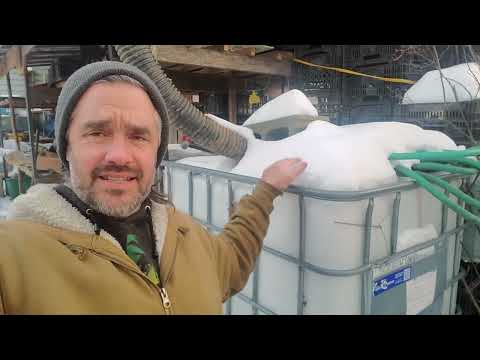
PermaNews Brief
Key Takeaways
Neglected rainwater tanks can develop odors and surface film from microbial growth, highlighting the need for regular maintenance in permaculture systems.
- Regular maintenance prevents rainwater tank contamination.
- Organic matter and microbial growth cause foul odors.
- Sunlight and stagnant water encourage bacterial growth.
- Assess contamination for water usability.
- Proper filtration is crucial for water quality.
Why It Matters
Maintaining rainwater harvesting systems is crucial for water quality and system longevity, impacting irrigation and overall permaculture success.
What to Do Next
Inspect your rainwater tank for odors, film, or debris and clean filters.
Recommended for: Permaculturists and gardeners using rainwater harvesting systems seeking practical advice on maintenance and troubleshooting.
The article describes a situation where a permaculture practitioner, after a period of neglect, discovered a significant issue with their rainwater harvesting system. The primary concern was the state of their water tank, which had developed a strong, unpleasant odor and a noticeable film on the water's surface. This observation led to an investigation into the cause and potential solutions, highlighting the importance of regular maintenance in permaculture systems.
The individual had initially set up a robust rainwater collection system, including a large storage tank. However, due to various life events and a busy schedule, the system had not received the usual attention it required. This neglect extended to the tank itself, which had been left largely unmonitored for an extended period. The first sign of trouble was the distinct smell emanating from the water, which was described as being far from the clean, fresh scent expected from rainwater.
Upon closer inspection, a visible layer of organic matter was observed floating on the water's surface. This film suggested the presence of microbial growth or decaying plant material. The practitioner hypothesized several potential causes for this contamination. One possibility was that debris, such as leaves, dust, or other organic matter, had entered the tank through the collection points, particularly if the filters or screens were compromised or overflowing. Another consideration was the potential for algae or bacterial growth within the tank itself, especially if sunlight was able to penetrate the water, creating an environment conducive to such organisms. The lack of regular water usage or circulation could also have contributed to the stagnation and subsequent growth of undesirable elements.
The article details the steps taken to address the problem. The immediate priority was to assess the extent of the contamination and determine if the water was still usable for its intended purposes, which included irrigation for a permaculture garden. The practitioner began by physically inspecting the tank's interior as much as possible, looking for the source of the debris and the nature of the film. This involved carefully opening access points and observing the water's condition.
Following the initial assessment, the individual considered various remediation strategies. One option was to completely drain the tank, clean it thoroughly, and then refill it with fresh rainwater. This would be a labor-intensive process but would ensure a clean start. Another approach involved attempting to treat the existing water. This could include methods like aeration to introduce oxygen and discourage anaerobic bacteria, or the introduction of beneficial microorganisms that could outcompete the undesirable ones. The article also touched upon the importance of preventing future occurrences, emphasizing the need for improved filtration at the collection points, regular inspection of the tank's integrity, and consistent monitoring of water quality.
The experience served as a valuable lesson in the practicalities of permaculture. While the initial setup of a system is crucial, ongoing maintenance and vigilance are equally important for its long-term success and the health of the resources it manages. The incident underscored that even seemingly robust systems can degrade without proper care, leading to issues that require significant effort to resolve. The practitioner reflected on how easily such problems can arise when attention is diverted, reinforcing the principle that permaculture is not just about design but also about continuous observation, interaction, and adaptive management. The article concludes with a commitment to implementing more rigorous maintenance protocols to prevent similar issues in the future, ensuring the continued viability of their rainwater harvesting system.
Source: youtube.com
Related Analysis
- Projects Pivot to Integrate Rainwater Harvesting with Energy — New evidence indicates a shift toward integrating rainwater cisterns with renewable energy systems in permaculture proje…
- Farmers Pivot to Innovative Water Solutions Amid Drought — Decentralized water management systems are emerging among regenerative farms to enhance resilience against drought.
Related on PermaNews
- Montana Permaculture: 10,000-Gallon Drought-Proof Cistern Array (Case Study)
- Unwanted Water? We're Harvesting It! (Video)
- Half-Moon Method: Desert to Farmland Transformation (Article)
- harvesting water, in a desert, safely, from a polluted road (Video)
- Ökodorf Brodowin: Trockenresistente Wassersysteme für Autarkie (Article)
- Oasis Design's 2025 Tanks: Urban Permaculture Water Resilience (How-To Guide)
Explore more in Water, Climate & Adaptation — the full hub for this knowledge area.