Asturias: Viejitos & Shale Slopes for Water & Carbon
By Crime Pays But Botany Doesn't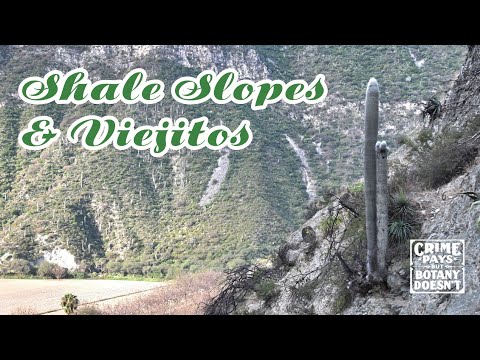
TL;DR: Elderly Asturian farmers demonstrate resilient, traditional methods on challenging shale slopes, offering lessons in sustainable agriculture despite an uncertain future for these practices.
- Traditional farming thrives on Asturias' steep, shale-rich slopes.
- Viejitos use generational knowledge for sustainable practices.
- Their methods embody "accidental permaculture" principles.
- Physical labor shapes landscapes and farmer vitality.
- Youth migration threatens continuation of these valuable traditions.
Why it matters: The survival of generational farming wisdom in Asturias offers crucial insights for modern permaculture on adapting to difficult terrains and fostering self-sufficiency.
Do this next: Explore local elderly farmers in your region to learn about their adaptive practices.
Recommended for: Anyone interested in resilient traditional farming methods, permaculture in challenging environments, or the sociological aspects of agroecology.
The article, "Shale Slopes & Viejitos," delves into the challenges and opportunities of cultivating food in the mountainous regions of Asturias, Spain, particularly focusing on the unique agricultural practices of its elderly inhabitants, or "viejitos." The author highlights the stark contrast between the region's natural beauty and the demanding conditions for farming, characterized by steep, shale-rich slopes and a climate that, while generally temperate, presents its own set of difficulties.
A central theme is the resilience and traditional knowledge of the viejitos. These older farmers, often working small, fragmented plots, employ methods passed down through generations that are inherently sustainable and well-adapted to the local environment. Their practices are described as a form of "accidental permaculture," where resourcefulness and a deep understanding of the land guide their decisions rather than adherence to a specific modern agricultural philosophy. They utilize local materials, minimize external inputs, and often integrate livestock into their systems in ways that enhance soil fertility and manage vegetation.
The article emphasizes the physical labor involved in this type of farming. The steep terrain necessitates manual cultivation, with little to no reliance on heavy machinery. This constant physical engagement with the land has not only shaped the landscape but also the health and longevity of the viejitos themselves. Their diets, often consisting of fresh, locally grown produce and traditional dishes, are also presented as a contributing factor to their vitality.
However, the narrative also touches upon the precarious future of these traditional farming methods. The younger generations are increasingly moving away from the demanding agricultural lifestyle, drawn to urban centers and less physically arduous work. This demographic shift poses a significant threat to the continuation of these valuable practices and the preservation of the unique agricultural landscape they have shaped. The knowledge held by the viejitos, often undocumented and orally transmitted, is at risk of being lost as they age and fewer young people are willing or able to take up the mantle.
The author explores the specific challenges posed by the shale slopes. While these slopes offer good drainage, they are prone to erosion and require careful management to maintain soil structure and fertility. The viejitos have developed ingenious techniques for terracing, creating small, level areas for cultivation, and using natural barriers to prevent soil loss. Their understanding of water management, crucial in a region with varying rainfall patterns, is also highlighted. They often utilize natural springs and small irrigation channels to ensure their crops receive adequate moisture without excessive waste.
The article also touches upon the biodiversity supported by these traditional farming systems. The small-scale, diverse plots often host a wider variety of plant and animal life compared to larger, monoculture operations. This biodiversity contributes to the overall health and resilience of the ecosystem, providing natural pest control and pollination services. The integration of fruit trees, vegetable gardens, and small livestock creates a complex and self-sustaining agricultural mosaic.
In conclusion, "Shale Slopes & Viejitos" paints a vivid picture of a unique agricultural heritage in Asturias. It celebrates the wisdom, resilience, and sustainable practices of the region's elderly farmers, who have, through generations of hard work and intimate knowledge of their environment, developed a form of farming that is both productive and ecologically sound. At the same time, it raises concerns about the future of these practices in the face of demographic changes and the potential loss of invaluable traditional knowledge. The article implicitly suggests that there are lessons to be learned from these "accidental permaculturists" that could inform more sustainable agricultural approaches globally.
Source: youtube.com
Related Analysis
- Farms Build Resilience, Pivot to Regenerative Soil — New initiatives and analysis explicitly frame regenerative agriculture as a direct solution for climate resilience, focu…
- Federal Policy Pivots, Builds Indigenous Agriculture Frameworks — Federal policy trends are integrating Indigenous knowledge with soil science in regenerative agriculture, shifting polic…
Related on PermaNews
- Ernst Götsch's Cacao Syntropy: Master Agroforestry Now (How-To Guide)
- Finnish Off-Grid: Rocket Mass Heater Performance in Greenhouse (Case Study)
- Berlins schwimmende Gärten: Permakultur auf dem Wasser (Case Study)
- Rodale Report 2025: Thermal Mass Boost in Solar Greenhouses (Case Study)
- AUTarcaMatricultura La Palma: Permakultur & Energieautarkie (How-To Guide)
- Earthaven Ecovillage: 30 Years Off-Grid with Hydro & Solar (Video)
Explore more in Food Systems & Growing — the full hub for this knowledge area.