Farmer Jo Homesteading: New Livestock Babies Arrive!
By Farmer Jo Homesteading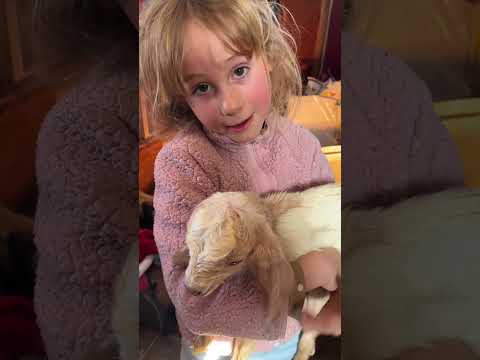
The recent arrival of new life at Farmer Jo Homesteading marks a significant event for the farm, as several animals have given birth, bringing a new generation of livestock into the fold. This period of new births is often a highlight for homesteaders, symbolizing the continuation of their farming efforts and the promise of future productivity.
Among the new arrivals are a litter of piglets. The sow, a key component of any homestead's livestock, successfully farrowed, producing a healthy number of young. Piglets are known for their rapid growth and are a valuable asset for meat production, contributing to the self-sufficiency goals of a homestead. Their presence indicates a successful breeding program and good animal husbandry practices on the farm. The care of newborn piglets requires attention to their warmth, nutrition, and protection from potential hazards, ensuring their survival and healthy development.
In addition to the pigs, the farm has also welcomed new goat kids. Goats are versatile animals, providing milk, meat, and fiber, and are often a cornerstone of a diversified homestead. The birth of kids is an exciting time, as these young animals are typically energetic and playful. The mother goat, or doe, will be providing essential colostrum and milk to her offspring, and the homesteaders will be monitoring their health and ensuring they are thriving. The introduction of new kids can also mean an increase in milk production for the farm, which can be used for consumption, cheese making, or other dairy products.
Furthermore, the homestead has seen the hatching of new chicks. Chickens are fundamental to most homesteads, offering eggs, meat, and pest control. The arrival of chicks, whether from an incubator or a broody hen, signifies the renewal of the flock. Young chicks require a warm, safe environment, often a brooder, to protect them from the elements and predators until they are old enough to join the main flock. Their presence ensures a continuous supply of eggs and meat for the homestead, reinforcing its sustainability.
The successful birthing and hatching across multiple species reflect a healthy and well-managed homestead environment. It indicates that the animals are well-cared for, have adequate nutrition, and are in a stress-free environment conducive to reproduction. This influx of young animals also presents new responsibilities for the homesteaders, including increased feeding, monitoring for health issues, and preparing for the eventual integration of these young animals into the farm's production cycles. The successful rearing of these newborns is crucial for the long-term viability and productivity of Farmer Jo Homesteading, ensuring a continuous supply of farm products and the perpetuation of their livestock.
Source: youtube.com
Related Analysis
- Does Growing Your Own Food Actually Save Money? The Real Numbers — Most home gardens save money by year two — but only if the right crops are planted. Herbs and salad greens deliver 5–10x…
- Regenerative Farmers Flip Cover Crop Logic From Compliance to Profit — Practitioner accounts and a new meta-analysis suggest cover cropping is being reframed from conservation practice to pro…
Related on PermaNews
- Ep. 444 - Can You Build A Farm With Almost No Money? (Video)
- Middle East conflict: How rising fuel prices are forcing a farming revolution | Landline | ABC iview (Video)
- Ep. 438 - Data Centers vs Farmers: Who Gets the Water and Power? (Podcast)
- Entropy Survival: Homestead Energy Independence Guide (How-To Guide)
- Agora Agrar: Klimaschutz durch weniger Agrarimporte bis 2045 (Article)
- Mutterkuh-Agroforst: Klimaresilienz mit 2.500 Bäumen (Case Study)
Explore more in Food Systems & Growing — the full hub for this knowledge area.