Sowing a Brighter Future
By Maura Beuttel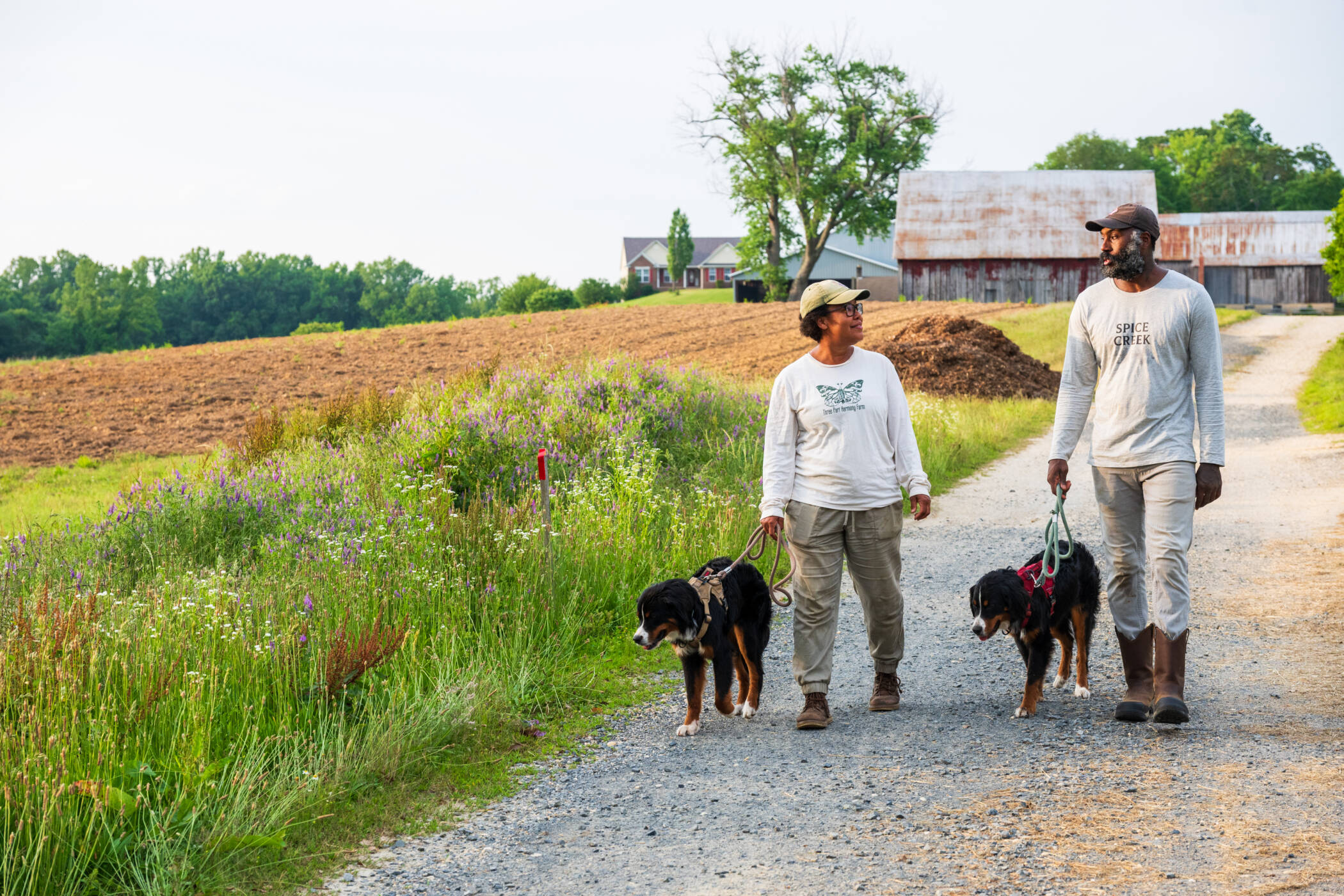
PermaNews Brief
Key Takeaways
Innovative farming strategies at Spice Creek Farm enhance climate resilience and sustainability.
- Tomatoes thrive in sustainable farming practices.
- Climate resilience is crucial for food security.
- Spice Creek Farm exemplifies permaculture principles.
- Community involvement boosts local agriculture.
- Sustainable practices can increase biodiversity.
Why It Matters
The article illustrates how sustainable farming methods contribute to climate resilience and local economies, offering a model for other regions.
What to Do Next
Explore permaculture practices in your local community.
Permaculture Context
What Spice Creek Farm represents isn't just one Maryland operation doing things well — it's a proof point that the systems thinking at the heart of permaculture scales into commercial viability without abandoning its principles. For practitioners designing their own land or food systems, this matters because it dismantles the persistent myth that regenerative approaches are inherently low-yield or economically marginal. When a farm demonstrates climate resilience through integrated design — stacking functions, building soil biology, and weaving community relationships into the production model — it validates the design methodology itself, not just the outcome. If you're currently managing even a quarter-acre homestead or advising a community growing project, the lesson here is actionable: prioritize soil health and polyculture diversity now, before climate pressure forces reactive decisions. Resilience is built in the planning stage, not the crisis stage. Farms like Spice Creek also serve as living demonstration sites, which means visiting, volunteering, or connecting with operations like this in your region is one of the highest-leverage learning investments a regenerative practitioner can make.
Recommended for: Readers interested in sustainable agriculture and community resilience.
By Scott Meyer | Photographs by Rob CardilloOn a steamy, early summer day at Spice Creek Farm in Brandywine, Maryland, the tomato plants are stretching skyward, a sign that they’re […]
The post Sowing a Brighter Future appeared first on Rodale Institute.
Source: rodaleinstitute.org
Related Analysis
- Is Home Canning Worth It? What a Season Actually Pays Back — Home canning's financial case is real but conditional: the setup pays off fastest when you supply your own garden produc…
- What a Backyard Food Forest Actually Costs in Year One — Establishing a backyard food forest in year one costs between $800 and $4,500 (modeled estimate, US, 2026) for a 500–1,0…
Related on PermaNews
- Ernst Götsch's Cacao Syntropy: Master Agroforestry Now (How-To Guide)
- Finnish Off-Grid: Rocket Mass Heater Performance in Greenhouse (Case Study)
- Berlins schwimmende Gärten: Permakultur auf dem Wasser (Case Study)
- Rodale Report 2025: Thermal Mass Boost in Solar Greenhouses (Case Study)
- AUTarcaMatricultura La Palma: Permakultur & Energieautarkie (How-To Guide)
- Earthaven Ecovillage: 30 Years Off-Grid with Hydro & Solar (Video)
Explore more in Food Systems & Growing — the full hub for this knowledge area.