Backyard Chicken Coops: Optimal Urban & Suburban Choices
By Ricardo Orlando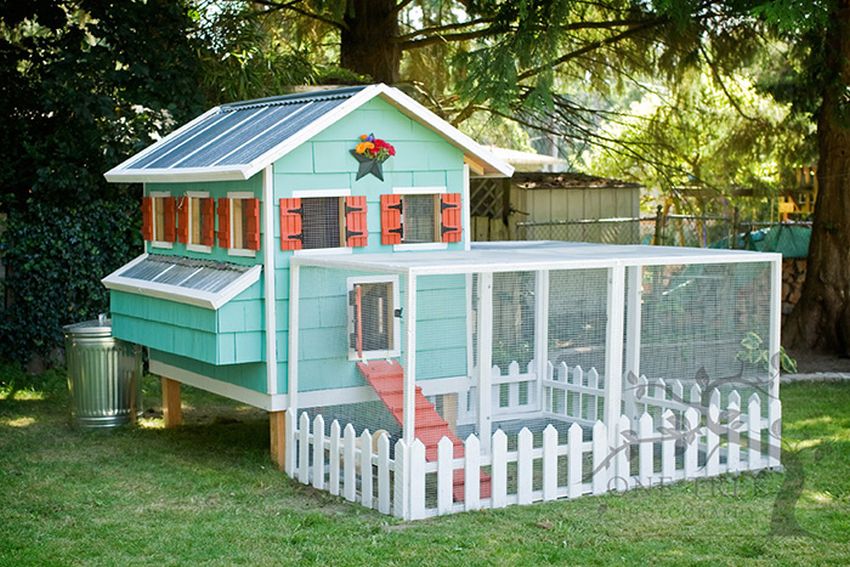
PermaNews Brief
Key Takeaways
Backyard chicken coops need thoughtful design for bird health, predator protection, and urban living, prioritizing space, ventilation, and local rules.
- Urban chickens are trending, requiring careful planning.
- Coop design protects from predators and harsh weather.
- Adequate space prevents stress and health issues.
- Ventilation crucial for air quality and temperature control.
- Insulation helps in extreme climates.
- Secure coops deter common predators.
Why It Matters
As backyard chickens grow in popularity, understanding proper coop design is crucial for animal welfare, nuisance prevention, and successful integration into urban and suburban environments.
What to Do Next
Research your local ordinances regarding chicken keeping before starting any coop construction.
Recommended for: New and experienced urban and suburban homesteaders looking to successfully integrate chickens into their backyard.
Raising chickens in urban and suburban environments has seen a significant increase in popularity across various cities, from the Pacific Northwest to the Midwest and the East Coast. This growing trend, while offering numerous benefits, also comes with its own set of considerations, including local ordinances and the practicalities of animal husbandry. For those interested in integrating chickens into their backyard, a primary concern is establishing an appropriate and functional living space for the birds.
The design and construction of a chicken coop are paramount to the well-being of the flock and the success of the endeavor. A well-designed coop provides essential protection from predators, adverse weather conditions, and ensures the health and comfort of the chickens. Key elements to consider include adequate space, proper ventilation, insulation, and ease of cleaning. Chickens require sufficient room to move around, roost, and lay eggs without feeling overcrowded, which can lead to stress and health issues. A general guideline often suggests at least 2-4 square feet per bird inside the coop, with additional space in an outdoor run.
Ventilation is crucial for maintaining good air quality within the coop, preventing the buildup of ammonia fumes from droppings, and regulating temperature. Proper airflow helps to keep the coop cool in warmer months and reduces humidity, which can contribute to respiratory problems. However, ventilation must be designed to avoid direct drafts on the birds, especially during colder periods. Insulation can be beneficial in extreme climates, helping to keep the coop warmer in winter and cooler in summer, thus reducing stress on the chickens and potentially improving egg production.
Predator protection is another critical aspect of coop design. Common predators include raccoons, foxes, hawks, and even domestic pets. The coop must be constructed with sturdy materials, secure latches, and hardware cloth (not chicken wire, which is less robust) to prevent entry. Burying wire mesh around the perimeter of the run can deter digging predators. The coop should also offer elevated roosting bars where chickens can sleep safely off the ground, mimicking their natural instinct to perch.
For egg-laying hens, nesting boxes are a necessity. These should be private, comfortable, and easily accessible for egg collection. One nesting box per 3-4 hens is generally sufficient. The boxes should be filled with soft bedding material like straw or wood shavings to encourage laying and protect eggs from breakage.
Ease of cleaning is a practical consideration that impacts the long-term maintenance of the coop. Features like removable droppings boards, wide access doors, and smooth, washable surfaces can significantly simplify the cleaning process, which is essential for preventing disease and controlling odors. Regular cleaning not only benefits the chickens' health but also helps in maintaining good relations with neighbors by minimizing unpleasant smells.
Beyond the physical structure, the placement of the coop within the backyard is also important. It should be situated in an area that receives adequate sunlight but also offers some shade during the hottest parts of the day. Consideration should also be given to drainage, ensuring that the coop does not sit in a perpetually damp area. Proximity to water and electricity sources can also be a convenience for automatic waterers or lighting, if desired.
Finally, understanding and adhering to local regulations regarding backyard chickens is non-negotiable. These laws can vary widely by municipality and may dictate the number of chickens allowed, coop setbacks from property lines, noise restrictions, and waste disposal requirements. Researching these ordinances before investing in a coop and chickens can prevent potential legal issues and ensure a smooth integration of the flock into the urban or suburban environment. By carefully planning and constructing a suitable coop, backyard chicken keepers can provide a safe, healthy, and productive environment for their birds while enjoying the benefits of fresh eggs and sustainable living.
Source: urbanfarmonline.com
Related Analysis
- Practitioners Build Silvopasture Playbook Before Researchers Catch Up — A small but consistent set of signals from the Northeast U.S. shows farmers actively piloting silvopasture while formal …
- New Research Splits Silvopasture's Profit Case From Its Ecology — A small but consistent set of signals indicates silvopasture is shifting from ecological ideal to quantified economic ca…
Related on PermaNews
- Berlins schwimmende Gärten: Permakultur auf dem Wasser (Case Study)
- Borneo's Rainforest Revival: Dr. Smits' Sugar Palm Village Hub (Case Study)
- Holmgren's 40 Yrs: Abundant Permaculture Design Webinar 3 (Video)
- Soil Strategies for Transitioning to Small Scale Organic Regenerative Ag (Event)
- Transatlantic Lessons from Community Gardens and Farms (Video)
- Autarke Solarstromversorgung im Haus: Praxisnahes Konzept mit Photovoltaik, Speicher und Inselbetrieb (How-To Guide)
Explore more in Food Systems & Growing — the full hub for this knowledge area.