A Seed Saving Guide for Gardeners and Farmers
PermaNews Brief
Key Takeaways
This guide provides essential techniques for seed saving through sustainable practices and genetic stewardship.
- Choosing heirloom varieties is crucial for seed saving.
- Proper soil prep enhances seed growth health.
- Managing disease is essential for seed crop purity.
- Roguing improves genetic quality in seed production.
- Post-harvest care ensures seed longevity.
Why It Matters
Understanding seed saving techniques empowers growers to preserve biodiversity and cultivate resilient crops.
What to Do Next
Implement seed-saving practices in your next planting season.
Permaculture Context
For permaculture designers and regenerative farmers, seed saving is not merely a practical skill — it is the foundational act of reclaiming sovereignty over food systems. When you save seed with genuine genetic stewardship, you are essentially co-evolving plants with your specific microclimate, soil biology, and regional pest pressures over successive generations, creating varieties that no commercial catalog can replicate or replace. This matters enormously for anyone building a resilient homestead or farm, because purchased seed — even certified organic — represents a dependency that supply chain disruptions, company acquisitions, or simple catalog discontinuations can sever overnight. The discipline of roguing, in particular, aligns deeply with permaculture's observation-based ethic: it demands you actually know your plants intimately, season after season, developing the perceptual literacy that distinguishes a genuine practitioner from someone simply following instructions. Maintaining robust population sizes also mirrors the core regenerative principle that diversity is infrastructure. Begin with just two or three open-pollinated varieties you already grow reliably, and treat the seed harvest as the most consequential moment in your entire growing calendar.
Recommended for: Gardeners and farmers committed to sustainable practices.
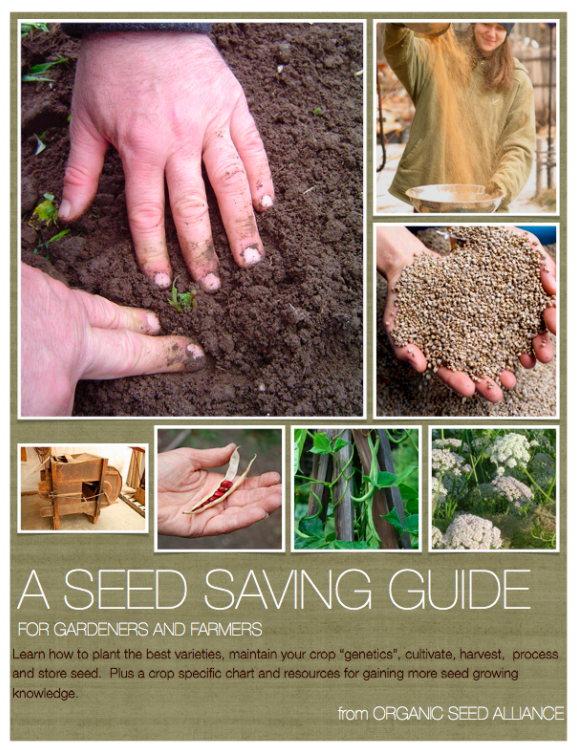
This comprehensive manual from the Organic Seed Alliance condenses decades of farming, gardening, plant breeding, and seed-saving wisdom into a single guide for growing seed. It covers the essential basics of seed production, starting with how to choose appropriate heritage and heirloom varieties specifically suited for seed saving. The guide provides detailed instructions on the entire lifecycle of seed growing, including soil preparation, proper spacing, staking, and trellising techniques to ensure healthy plant development. It addresses critical management strategies for controlling disease and weeds, which are vital for maintaining the purity and viability of seed crops. A significant portion of the manual focuses on the genetic stewardship of varieties, explaining the concept of 'roguing,' which involves walking through plantings to remove inferior or atypical plants that do not meet the desired genetic standards. This process helps eliminate the negative effects of accidental crosses from previous generations or undesirable genetic variants. The guide emphasizes maintaining adequate population sizes to preserve healthy genetic variability, warning growers against selecting too narrowly, which could reduce the genetic diversity essential for resilience. It also details the post-harvest processes, including how to properly harvest, process, and store seeds to ensure their longevity. The manual is designed for both home gardeners and commercial farmers, offering practical, field-tested advice on ethical development and stewardship of agricultural genetic resources. By following these guidelines, growers can effectively steward the genetic resources of agricultural seed, ensuring the preservation of century-old varieties and supporting the ethical development of resilient crop genetics for future generations.
Source: seedalliance.org
Related Analysis
- Food Forest Courses Shift From Theory to Build-Ready Skills — Several food forest courses now open with site assessment and guild-building rather than design theory, suggesting a dev…
- Practitioners Build Silvopasture Playbook Before Researchers Catch Up — A small but consistent set of signals from the Northeast U.S. shows farmers actively piloting silvopasture while formal …
Related on PermaNews
- Building Resilient Soils: Planning & Resources for Extreme Weather Events (Event)
- Traditional Seed Saving: Crop Diversity & Resilience Secrets (How-To Guide)
- Milkwood: Build a Seed Bank – Save Tomato & Cucumber Seeds (Video)
- Seed Saving Mastery: Permaculture's Genetic Diversity Key (How-To Guide)
- Rodale Institute's 50-Year Regenerative Organic Journey (Article)
- Rodale FST: 40+ Years of Organic vs. Conventional Farming (Case Study)
Explore more in Food Systems & Growing — the full hub for this knowledge area.