Homestead Spring: Lambing Season & Shearing Joy
By Dirtpatcheaven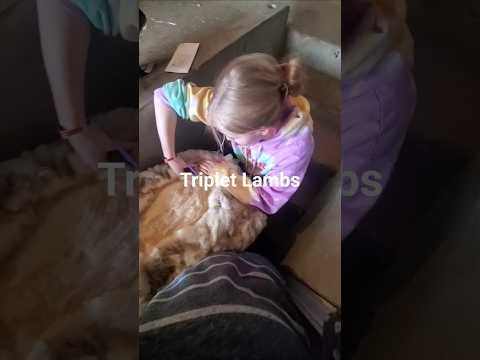
TL;DR: Spring brings new lamb births and essential yearly shearing, highlighting key aspects of successful sheep husbandry on a homestead.
- Observe ewes closely during lambing for healthy births.
- Shearing prevents overheating and promotes hygiene.
- First-time mothers need extra attention and care.
- Twin births require ewes to manage two active newborns.
- Proper fleece removal is a skilled task for sheep well-being.
Why it matters: Successful lambing and timely shearing are crucial for a healthy, productive flock, contributing to the self-sufficiency of a homestead and preventing common health issues in sheep.
Do this next: Watch the full video to see how homesteaders manage lambing and shearing seasons.
Recommended for: Homesteaders, aspiring sheep farmers, and those interested in sustainable livestock management practices.
The arrival of spring on the homestead brings with it the highly anticipated lambing season, a period of renewed life and activity. This year, the ewes have been particularly productive, with several successfully giving birth to healthy lambs. The process of lambing is always a significant event, requiring careful observation and occasional intervention to ensure the well-being of both the mother and her offspring.
One of the notable occurrences this season was the birth of a set of twin lambs. While not uncommon, twins always present a slightly different dynamic, as the ewe must manage two energetic newborns. The ewe in question demonstrated excellent maternal instincts, diligently cleaning and encouraging both her lambs to nurse. This early bonding is crucial for the lambs' survival and development.
Another ewe, a first-time mother, also successfully delivered a single lamb. First-time mothers often require a bit more attention, as they are learning the ropes of motherhood. This particular ewe adapted quickly, showing a strong protective instinct towards her new arrival. The health and vigor of the newborn lambs are promising indicators for the flock's future.
Beyond the immediate joy of new life, the homestead also prepares for the annual shearing of the adult sheep. Shearing is a vital practice for several reasons. Primarily, it removes the heavy winter fleece, which can become a burden as temperatures rise. Overheating can be a serious health risk for sheep, and a fresh shear helps them regulate their body temperature more effectively.
Furthermore, shearing is essential for maintaining the overall hygiene and health of the flock. Matted or dirty wool can attract parasites and lead to skin infections. By removing the fleece, the sheep are less susceptible to these issues. The process of shearing itself is a skilled task, often performed by experienced shearers who can efficiently and safely remove the wool without causing stress or injury to the animals.
The collected wool is a valuable byproduct of raising sheep. It can be processed for various uses, from spinning into yarn for textiles to providing insulation. The quality of the wool can vary depending on the breed of sheep and their diet, and careful handling during shearing helps preserve its integrity.
The homestead's approach to animal husbandry emphasizes natural and sustainable practices. The sheep are grazed on pastures, contributing to soil health and biodiversity. Their diet is supplemented with hay during leaner months, ensuring they receive adequate nutrition. This holistic approach aims to create a thriving ecosystem where both the animals and the land benefit.
The spring season, therefore, represents a cycle of renewal and productivity on the homestead. From the tender moments of lambing to the practical necessity of shearing, each activity plays a crucial role in the ongoing operation and sustainability of the farm. The health of the flock and the quality of their wool are direct reflections of the care and attention provided throughout the year.
Source: youtube.com
Related Analysis
- Farmers Convert Six Weeks of Rhubarb Into 25-Year Supply — Initial signals suggest a rhubarb preservation technique can extend a brief seasonal harvest into 25 years of storage—a …
- Compost Builds Soil Microbiomes—But Human Waste Divides Practitioners — A small but consistent set of signals indicates composting's soil benefits are well-documented, while human-waste compos…
Related on PermaNews
- Borneo's Rainforest Revival: Dr. Smits' Sugar Palm Village Hub (Case Study)
- Holmgren's 40 Yrs: Abundant Permaculture Design Webinar 3 (Video)
- They Quit Normal to Homestead - 10 Years Later (Video)
- E60: How One Company is Building a Parallel Food System in America | Pete Strayer of Azure Standard (Podcast)
- Farmer's Garden Survived a Historic Drought, Here's How (Video)
- Water Self-Reliance - Boreholes & Wells at an Off Grid Homestead (Video)
Explore more in Food Systems & Growing — the full hub for this knowledge area.