Grocery Store Exodus: My Journey to Food Self-Sufficiency
By Justin Rhodes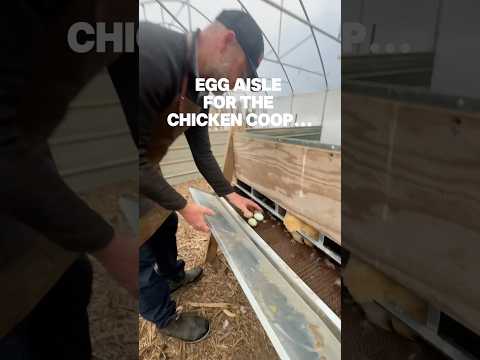
TL;DR: Transitioning food sources from grocery to home significantly enhances self-sufficiency and health through diverse home-grown produce and animal rearing.
- Grow diverse vegetables year-round with succession planting.
- Establish perennial fruit trees and berry bushes for long-term yields.
- Integrate animal husbandry for eggs, meat, and garden fertility.
- Master food preservation for a continuous home-sourced food supply.
- Reduce grocery dependence by producing most food needs at home.
Why it matters: Embracing home-based food production bolsters food security, reduces environmental impact, and provides fresher, healthier sustenance directly from your own efforts.
Do this next: Explore succession planting techniques to maximize your garden’s output all season.
Recommended for: Individuals and households committed to achieving significant levels of food independence and embracing a holistic permaculture lifestyle.
The article describes a personal journey of significantly reducing reliance on conventional grocery stores by establishing a robust home-based food production system. The author details a multi-faceted approach to achieving food self-sufficiency, highlighting the various components and strategies employed over time.
Initially, the transition began with a focus on cultivating a substantial vegetable garden. This involved not just growing common produce but also experimenting with a wider variety of crops to ensure a diverse and continuous harvest throughout the growing seasons. Techniques such as succession planting and extending the growing season with protective structures like hoop houses or cold frames were likely implemented to maximize output and availability. The goal was to produce enough fresh vegetables to meet a significant portion of the household's needs, reducing the frequency and volume of vegetable purchases from stores.
Beyond vegetables, the author expanded into fruit production. This included planting various fruit trees and berry bushes, aiming for a long-term supply of fresh and preserved fruits. The article suggests a focus on perennial crops that provide consistent yields year after year with proper care, further diminishing the need for store-bought alternatives.
A crucial element of this self-sufficiency model is animal husbandry. The author describes raising chickens, primarily for egg production, but potentially also for meat. This provides a consistent source of protein and healthy fats, directly replacing store-bought eggs and poultry. The article also mentions raising other animals, which could include rabbits, goats, or even larger livestock, depending on the scale and space available, further diversifying the home-produced food supply. The integration of animals often contributes to a more closed-loop system, with animal waste enriching garden soil.
The concept of food preservation is central to this lifestyle. The author details various methods used to store the abundant harvests, ensuring food availability throughout the year, even during non-growing seasons. This likely includes canning, freezing, dehydrating, and fermenting. These techniques are essential for managing gluts of produce and extending the shelf life of home-grown foods, directly reducing the need for off-season purchases from grocery stores.
The article also touches upon the economic and health benefits of this approach. By producing a significant portion of their own food, the author likely experienced a reduction in grocery bills. Furthermore, consuming fresh, organically grown produce and humanely raised animal products contributes to a healthier diet, free from many of the additives and pesticides found in commercially produced foods.
The journey described is not presented as an overnight transformation but rather a gradual process of learning, experimentation, and expansion. It emphasizes the importance of observation, adapting to local conditions, and continuously improving food production methods. The author's experience illustrates a commitment to a more sustainable and resilient way of living, where food security is largely managed at the household level. This shift represents a deliberate move away from the conventional food supply chain, fostering a deeper connection to the source of one's sustenance.
Source: youtube.com
Related Analysis
- Farmers Convert Six Weeks of Rhubarb Into 25-Year Supply — Initial signals suggest a rhubarb preservation technique can extend a brief seasonal harvest into 25 years of storage—a …
- Compost Builds Soil Microbiomes—But Human Waste Divides Practitioners — A small but consistent set of signals indicates composting's soil benefits are well-documented, while human-waste compos…
Related on PermaNews
- Ernst Götsch's Cacao Syntropy: Master Agroforestry Now (How-To Guide)
- Finnish Off-Grid: Rocket Mass Heater Performance in Greenhouse (Case Study)
- Berlins schwimmende Gärten: Permakultur auf dem Wasser (Case Study)
- Rodale Report 2025: Thermal Mass Boost in Solar Greenhouses (Case Study)
- AUTarcaMatricultura La Palma: Permakultur & Energieautarkie (How-To Guide)
- Earthaven Ecovillage: 30 Years Off-Grid with Hydro & Solar (Video)
Explore more in Food Systems & Growing — the full hub for this knowledge area.