Boost Your Tractor's Life: 7 Key Factors Explained
By Ricardo Orlando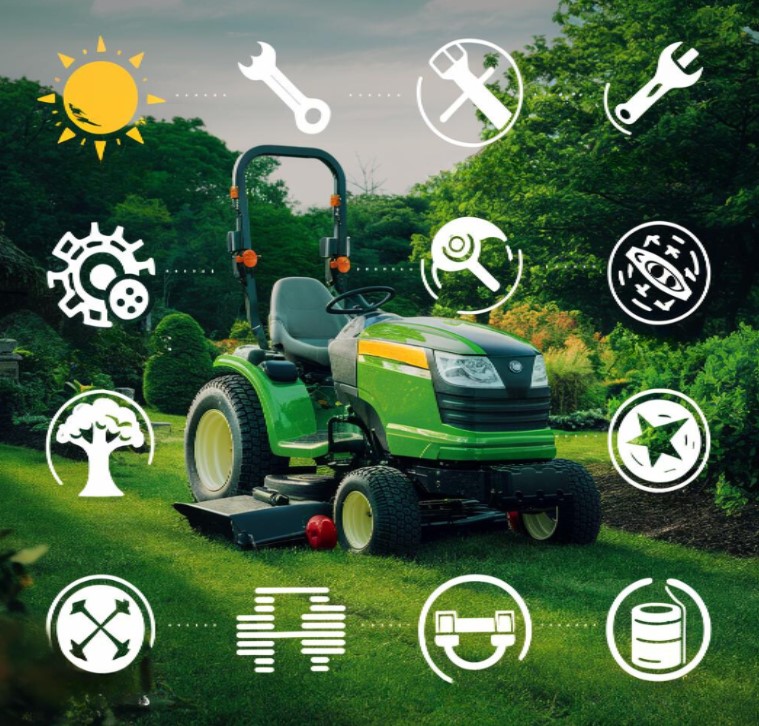
PermaNews Brief
Key Takeaways
Extend your lawn tractor’s life by understanding key factors like maintenance, storage, terrain, and fuel quality.
- Regular maintenance prevents premature wear.
- Proper storage protects against elements.
- Smooth terrain reduces machine stress.
- High-quality fuel and oil preserve engine.
- Operator skill impacts longevity.
Why It Matters
A well-maintained lawn tractor lasts longer, saving repair costs and ensuring reliable property care.
What to Do Next
Check your lawn tractor’s maintenance schedule and plan your next service.
Recommended for: Anyone who owns a lawn tractor and wants to get the most out of their investment.
The lifespan of a lawn tractor, a valuable piece of equipment for managing extensive green areas, is influenced by several key factors. Understanding these elements can significantly contribute to prolonging the machine's operational life.
One primary determinant is the consistency and quality of maintenance practices. Adhering to the manufacturer's recommended service schedule is crucial. This includes routine tasks such as oil changes, air filter replacements, spark plug inspections, and blade sharpening. Neglecting these basic maintenance steps can lead to premature wear and tear on critical components, ultimately shortening the tractor's life. Proper lubrication of moving parts and ensuring all fasteners are tightened to specification also fall under this category, preventing unnecessary friction and vibration that can cause damage over time.
The storage conditions of the lawn tractor play a significant role. Exposing the machine to harsh weather elements like rain, snow, or extreme temperatures can accelerate corrosion and degrade components such as tires, belts, and electrical systems. Storing the tractor in a dry, covered area, such as a garage or shed, protects it from environmental damage. Additionally, preparing the tractor for seasonal storage, such as draining fuel or adding stabilizers, prevents issues like carburetor clogging and fuel line degradation.
The type of terrain the tractor is regularly used on also impacts its longevity. Operating a lawn tractor on uneven, rocky, or excessively sloped ground puts undue stress on the engine, transmission, and suspension system. This can lead to increased wear on tires, axles, and other structural components. Using the tractor on relatively flat and clear surfaces, as it is designed for, minimizes this stress and extends its operational life.
The quality of the fuel and oil used is another critical factor. Employing high-quality, clean fuel and the correct type of engine oil, as specified by the manufacturer, is essential for optimal engine performance and longevity. Low-quality or contaminated fuel can lead to engine issues, while using the wrong oil can result in inadequate lubrication and increased friction, causing premature engine wear.
The operator's usage habits significantly influence the tractor's lifespan. Aggressive driving, sudden stops and starts, overloading the machine, or attempting to cut grass that is too tall or wet can strain the engine and transmission. Operating the tractor within its design limits, at appropriate speeds, and avoiding excessive strain contributes to its durability. Understanding the machine's capabilities and limitations is key to preventing damage caused by misuse.
The initial build quality and brand reputation of the lawn tractor are inherent factors. Tractors from reputable manufacturers often incorporate higher-quality materials and more robust engineering, leading to greater durability and a longer lifespan. While a higher initial investment, these machines often prove more cost-effective in the long run due to their extended service life and fewer repair needs.
Finally, the availability and quality of replacement parts can affect how long a tractor remains operational. Even with the best maintenance, components will eventually wear out. The ease with which genuine or high-quality aftermarket parts can be sourced, and the cost associated with them, can determine whether a tractor is economically viable to repair and keep running for an extended period. A readily available supply of parts ensures that necessary repairs can be made promptly, preventing minor issues from escalating into major problems that could lead to the machine's early retirement.
Source: urbanfarmonline.com
Related Analysis
- Homeowners Retrofit Properties with Renewable Energy Solutions — Renewable energy retrofitting gains traction as regenerative agriculture principles inform home upgrades. Experts point …
- New Practices Build Climate-Resilient Cob Homes — Cob construction emerges as a key strategy in enhancing resilience against ecological challenges in permaculture systems…
Related on PermaNews
- Autarke Solar-Wind-Systeme: LiFePO4 Batterie-Management-Guide (How-To Guide)
- Holmgren's RetroSuburbia: Permaculture for Resilient Living (Article)
- Turn 6 Weeks of Rhubarb Into 25 Years of Storage (Video)
- Turn 6 Weeks of Rhubarb Into 25 Years of Storage (Video)
- Full Garden Tour For May 2026! GROWING 99% Of Our Fresh Food In Containers (Video)
- The Chicken Tractor That Does EVERYTHING (Free Plans) (Video)
Explore more in Shelter, Energy & Infrastructure — the full hub for this knowledge area.