Idaho Kiwis: Cold-Hardy Fruit Forest Success
By Dirtpatcheaven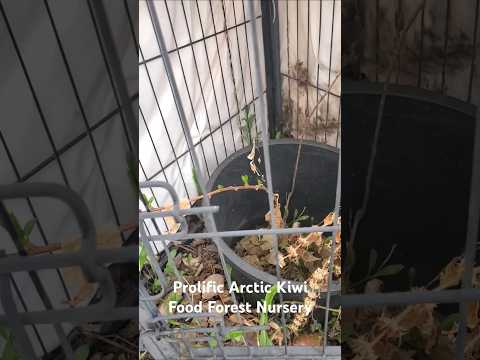
PermaNews Brief
Key Takeaways
Hardy kiwi varieties offer a surprising opportunity for fruit cultivation in cold climates like Idaho, challenging traditional growing assumptions.
- Cold-hardy kiwi varieties thrive in unexpected climates.
- Site selection is crucial for winter protection and frost avoidance.
- Well-drained, slightly acidic soil is essential for kiwi growth.
- Both male and female plants are needed for successful pollination.
- Good air circulation helps prevent fungal diseases in kiwis.
Why It Matters
Expanding the range of edible plants in colder regions enhances food security and biodiversity for permaculture practitioners and home gardeners alike.
What to Do Next
Research specific cold-hardy kiwi varieties suitable for your local climate.
Recommended for: Gardeners, permaculture enthusiasts, and those in cold climates looking to expand their edible landscape.
The article from Dirtpatcheaven discusses the successful cultivation of kiwi fruit in Idaho, a region not typically associated with this subtropical plant. The author highlights the surprising adaptability of certain kiwi varieties to colder climates, challenging common assumptions about their growing requirements.
The primary focus is on the "hardy kiwi" varieties, specifically *Actinidia arguta* and *Actinidia kolomikta*. Unlike the larger, fuzzy kiwifruit (*Actinidia deliciosa*) found in most supermarkets, these hardy types produce smaller, smooth-skinned fruits that can be eaten whole. A key advantage of these varieties is their significantly increased cold tolerance, with some cultivars capable of surviving temperatures as low as -25 to -40 degrees Fahrenheit, depending on the specific type and the plant's maturity.
The article emphasizes that successful kiwi cultivation in Idaho, or similar cold regions, hinges on several critical factors. Site selection is paramount. Kiwis thrive in locations that offer protection from harsh winter winds and late spring frosts. A north-facing slope or an area sheltered by buildings or evergreen trees can provide crucial microclimates that buffer extreme temperatures. Good air circulation is also important to prevent fungal diseases.
Soil requirements are another significant consideration. Kiwis prefer well-drained, slightly acidic soil with a pH between 5.0 and 6.5. The author suggests amending heavy clay soils with organic matter like compost to improve drainage and aeration. Conversely, sandy soils might benefit from organic matter to enhance water retention. Consistent moisture is vital, especially during the growing season, but waterlogging must be avoided as it can lead to root rot.
Pollination is a crucial aspect of fruit production. Most hardy kiwi varieties are dioecious, meaning individual plants are either male or female. Therefore, both a male and a female plant are necessary for fruit set. The article recommends planting at least one male plant for every five to eight female plants to ensure adequate pollination. Some newer self-fertile varieties exist, but their fruit production might be less robust than traditional male/female pairings.
Pruning is also discussed as an essential practice for maintaining plant health and maximizing fruit yield. Kiwis are vigorous growers and require regular pruning to manage their size, encourage new fruiting wood, and improve air circulation. The article likely suggests a combination of dormant season pruning to remove dead or diseased wood and summer pruning to control growth and expose fruit to sunlight. Training the vines on a sturdy trellis or arbor is essential to support their weight and facilitate harvesting.
The author also touches upon pest and disease management, although specific details might be limited in a general overview. Generally, hardy kiwis are relatively resistant to many common pests and diseases, but vigilance is still necessary. Monitoring for issues like spider mites, scale insects, or fungal problems and addressing them promptly is recommended.
In essence, the article demonstrates that with careful planning, appropriate variety selection, and diligent care, growing kiwi fruit in Idaho is not only possible but can be a rewarding endeavor for home gardeners interested in expanding their food forest. The success stories shared likely serve as an inspiration for others in similar climates to explore the potential of hardy kiwi cultivation.
Source: youtube.com
Related Analysis
- Food Forest Courses Shift From Theory to Build-Ready Skills — Several food forest courses now open with site assessment and guild-building rather than design theory, suggesting a dev…
- Practitioners Build Silvopasture Playbook Before Researchers Catch Up — A small but consistent set of signals from the Northeast U.S. shows farmers actively piloting silvopasture while formal …
Related on PermaNews
- Ernst Götsch's Cacao Syntropy: Master Agroforestry Now (How-To Guide)
- Finnish Off-Grid: Rocket Mass Heater Performance in Greenhouse (Case Study)
- Berlins schwimmende Gärten: Permakultur auf dem Wasser (Case Study)
- Rodale Report 2025: Thermal Mass Boost in Solar Greenhouses (Case Study)
- AUTarcaMatricultura La Palma: Permakultur & Energieautarkie (How-To Guide)
- Earthaven Ecovillage: 30 Years Off-Grid with Hydro & Solar (Video)
Explore more in Food Systems & Growing — the full hub for this knowledge area.