Long-term Community Resilience Exercise Resource Guide
By FEMA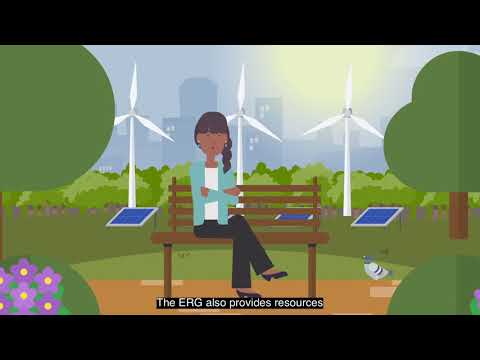
PermaNews Brief
Key Takeaways
Explore practical exercises for enhancing community resilience against climate change.
- Understand climate adaptation fundamentals
- Utilize workshops for partnership building
- Focus on objectives for effective planning
- Incorporate economic impact assessments
- Engage coalitions for broader resilience efforts
Why It Matters
This guide is essential for creating actionable climate strategies that align community goals with preparedness planning.
What to Do Next
Watch the video to learn about practical resilience exercises.
Permaculture Context
For permaculture designers and regenerative community builders, this kind of structured exercise framework fills a critical gap that most grassroots resilience efforts quietly struggle with: the translation gap between what we know about ecological systems and what our neighbors, local officials, and institutional partners are willing to act on together. A food forest or greywater system on your property is meaningful, but its long-term viability depends on the surrounding social and institutional fabric holding together under pressure. Tabletop exercises and scenario-based planning create a legitimate, low-stakes space where permaculture practitioners can sit at the same table as emergency managers, municipal planners, and business owners, and begin weaving shared language around timelines that most governance conversations avoid — 20, 30, 50 years out. If you are building a homestead, a community land project, or a local food network, your most underinvested asset is probably not soil biology or water catchment — it is your coalition. Engaging these planning frameworks gives regenerative practitioners a structured entry point into institutional decision-making, where durable design principles can actually shape policy, investment, and collective land use before the next crisis forces the conversation.
Recommended for: Emergency managers, local planners, and community organizers.
This video resource is a practical guide for using exercises to support climate adaptation planning and long-term community resilience. The content explains what climate adaptation is and shows how seminars, workshops, and tabletop exercises can be used to build partnerships, align community priorities, and improve preparedness planning. A major practical value of the guide is that it breaks climate adaptation exercises into core elements: objectives, scenarios, and discussion themes. It explains that objectives define the outcomes an organization wants to achieve, helping planners keep exercises focused and useful rather than abstract. The guide also encourages participants to examine potential economic impacts from climate-change-related hazards, integrate climate science data and information into current and future planning, and identify collaborative, flexible, and sustainable whole-community approaches. This is important because adaptation often fails when stakeholders cannot translate climate risk information into shared decision-making or investment priorities. The guide further highlights the role of coalitions in supporting adaptation and preparedness, showing that resilience is not only about one organization’s readiness but about coordinated social and institutional capacity. Another useful component is its treatment of scenarios and modeling across multiple time horizons, such as 20, 30, and 50 years, which helps communities visualize future climate impacts and test response options before crises occur. The guide also lists discussion themes that can be used in exercises, including environmental opportunities to enhance adaptation, social and cultural challenges, key economic areas at risk, and critical assets most vulnerable to climate threats. Because it is structured around practical exercise design, the resource is especially relevant for emergency managers, local planners, educators, and community resilience organizers who need a concrete method for engaging stakeholders and building preparedness capacity. It is less of a policy paper and more of an implementation tool for planning and training.
Source: youtube.com
Related Analysis
- Houston Builds Mutual Aid Into Its Official Climate Toolkit — From Houston's preparedness toolkit to mutual aid advocacy, a developing direction positions collective reciprocity as a…
- IUCN Guidelines Push Rewilding Into Formal Policy Arenas — The IUCN's new Global Rewilding Guidelines and Rewilding Europe's 2025 policy roundup suggest formal frameworks are begi…
Related on PermaNews
- Designing Regenerative Resilience: Participatory Living Labs (How-To Guide)
- Amazonas: Chakra Waldgärten – Dynamische Agroforst-Wunder (Case Study)
- Nagaland's Jhum-Alder Agroforestry: Climate-Smart Farming (Article)
- CIT-ED Pioneers Tribal Food Forest for Climate & Food Security (Case Study)
- weADAPT: 100+ Climate Case Studies & Indigenous Practices (Case Study)
- Water Cycle Restoration Research: Indigenous Wisdom Meets Permaculture (Article)
Explore more in Community, Policy & Systems Change — the full hub for this knowledge area.