Winter Wind Permaculture: Crop Covers & Soil Resilience
By RED Gardens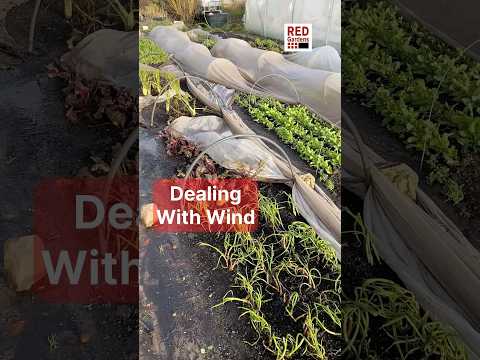
PermaNews Brief
Key Takeaways
Wind management is crucial for permaculture, especially during winter, to protect plants from physical damage and dehydration.
- Wind damages plants, creating entry points for pests and diseases.
- It increases evapotranspiration, leading to soil and plant dehydration.
- Understanding local wind patterns is key for effective mitigation.
- Strategic use of windbreaks protects plants and garden infrastructure.
- Winter crops are particularly vulnerable to wind stress and damage.
Why It Matters
Effective wind management ensures healthier plants, reduces crop loss, and maintains soil moisture, particularly vital for winter growing and in dry climates.
What to Do Next
Identify the prevailing wind direction in your garden to inform windbreak placement.
Recommended for: Gardeners facing challenges with wind exposure and those planning resilient permaculture systems, especially in cooler or drier climates.
The article from Red Gardens discusses strategies for managing wind in a permaculture context, particularly focusing on its impact on winter growing and the use of crop covers. Wind, while a natural element, can pose significant challenges to plant health and garden infrastructure, especially during colder months.
One of the primary concerns highlighted is the physical damage wind can inflict on plants. Strong gusts can break stems, tear leaves, and even uproot smaller or less established plants. This damage not only directly harms the plant but can also create entry points for diseases and pests, further compromising their health. For winter growing, when plants are often already under stress from lower temperatures and reduced sunlight, wind damage can be particularly detrimental, potentially leading to crop loss.
Beyond direct physical harm, wind also contributes to increased evapotranspiration. This process, where moisture is lost from the soil and plant leaves, is exacerbated by moving air. In drier climates or during periods of low rainfall, this can quickly lead to dehydration, even if the soil initially has adequate moisture. For winter crops, which may have slower growth rates and less robust root systems, maintaining consistent moisture levels is crucial, and wind can make this a constant battle.
The article emphasizes the importance of understanding the prevailing wind patterns in a specific garden location. Identifying the direction from which the strongest and most frequent winds originate is a foundational step in developing effective mitigation strategies. This knowledge allows gardeners to strategically place windbreaks and design their garden layout to minimize exposure.
One of the key solutions presented is the strategic use of windbreaks. These can take various forms, from living barriers like hedges and rows of trees to artificial structures such as fences, walls, or specialized windbreak netting. The effectiveness of a windbreak depends on its height, density, and placement relative to the protected area. A well-designed windbreak can significantly reduce wind speed in its leeward zone, creating a more sheltered microclimate for plants. The article implies that a balance is needed; while a solid wall might block wind entirely, it can also create turbulent eddies on the leeward side. A semi-permeable windbreak, like a hedge or netting, can be more effective at diffusing wind energy without creating these problematic air currents.
Crop covers are another crucial tool discussed for mitigating wind effects, especially in winter growing. These covers, which can include row covers, cloches, or even more elaborate hoop houses, serve multiple purposes. Firstly, they provide a physical barrier against direct wind exposure, protecting delicate foliage and stems from damage. Secondly, they help to reduce moisture loss from both the plants and the soil beneath, counteracting the drying effects of wind. Thirdly, and particularly relevant for winter growing, crop covers can help to moderate temperature fluctuations, offering a degree of insulation against cold winds and frost. This creates a more stable and favorable environment for plant growth during challenging seasons.
The article also implicitly suggests that proper plant selection can play a role. Choosing plant varieties that are naturally more resilient to wind or that have a lower profile can be beneficial in exposed areas. Furthermore, good soil health and robust plant establishment are critical. Plants with strong root systems and healthy growth are better equipped to withstand environmental stresses, including wind.
In summary, the Red Gardens article provides a comprehensive overview of the challenges posed by wind in a permaculture garden, particularly for winter growing. It highlights the importance of understanding wind patterns and offers practical, permaculture-aligned solutions such as strategic windbreak placement and the effective use of various crop covers. These strategies aim to create more stable microclimates, protect plants from physical damage, and conserve moisture, ultimately contributing to more successful and resilient gardening practices.
Source: youtube.com
Related Analysis
- Baltimore Researchers Reject Yield as Urban Farm Success Metric — Several sources suggest urban agriculture is being recast from food supplement to food sovereignty tool, with peer-revie…
- Urban Food Forest Tours Signal Shift From Passive Gardens — Several initiatives indicate urban food forests are evolving into hands-on design and education hubs — distinct from con…
Related on PermaNews
- Ernst Götsch's Cacao Syntropy: Master Agroforestry Now (How-To Guide)
- Finnish Off-Grid: Rocket Mass Heater Performance in Greenhouse (Case Study)
- Berlins schwimmende Gärten: Permakultur auf dem Wasser (Case Study)
- Rodale Report 2025: Thermal Mass Boost in Solar Greenhouses (Case Study)
- AUTarcaMatricultura La Palma: Permakultur & Energieautarkie (How-To Guide)
- Earthaven Ecovillage: 30 Years Off-Grid with Hydro & Solar (Video)
Explore more in Food Systems & Growing — the full hub for this knowledge area.