IBC Totes: Build Your Own Rainwater Harvest System
By Great Escape Farms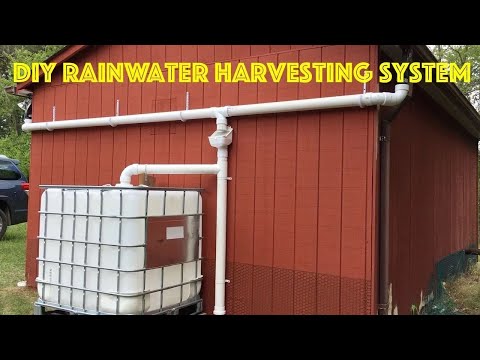
PermaNews Brief
Key Takeaways
Constructing a rainwater harvesting system with IBC totes offers a cost-effective way to store water for irrigation, livestock, and emergency use, enhancing water independence.
- IBC totes provide significant water storage.
- System uses standard guttering for collection.
- First flush diverters improve water quality.
- Multiple totes increase storage capacity.
- Stable foundation ensures system longevity.
Why It Matters
Water scarcity and increasing utility costs make efficient water management crucial. This system offers a sustainable solution for reducing reliance on municipal water supplies and building resilience against droughts.
What to Do Next
Learn more about the specific materials and steps by watching the full video.
Recommended for: Homeowners, small-scale farmers, and permaculture enthusiasts seeking practical, affordable water conservation solutions.
This article outlines the process of constructing a rainwater harvesting system using Intermediate Bulk Containers (IBC totes), emphasizing the benefits of such a system for various applications. The primary advantage highlighted is the ability to collect and store a significant volume of water, which can be utilized for irrigation, livestock, or even as a backup water source during droughts or emergencies. The system is presented as a cost-effective and relatively straightforward DIY project, making it accessible for individuals looking to enhance their water independence.
The core components of the system involve the IBC totes themselves, which typically hold around 275 gallons each, and a method for diverting rainwater from a roof or other collection surface into these containers. The article suggests using standard guttering and downspouts to channel water. A crucial element is the implementation of a "first flush diverter." This device is designed to prevent the initial runoff from a rain event, which often contains accumulated debris, dust, and pollutants from the roof, from entering the main storage tanks. By diverting this initial, dirtier water, the quality of the stored water is significantly improved, making it more suitable for its intended uses and reducing the need for frequent cleaning of the main tanks.
Once the first flush is handled, the cleaner rainwater is directed into the IBC totes. The article recommends connecting multiple totes in series or parallel to increase storage capacity. This can be achieved using PVC piping and appropriate fittings to create a manifold system that distributes water evenly among the containers and allows them to fill simultaneously. For optimal performance and longevity of the system, it is advised to place the IBC totes on a stable, level foundation, such as concrete blocks or a gravel pad, to prevent settling and ensure proper drainage around the base. Elevating the tanks slightly can also provide a small amount of gravity feed for dispensing water.
To prevent contamination and inhibit algae growth, the article stresses the importance of covering the IBC totes to block sunlight. While some totes come with opaque bladders, others may be translucent, requiring an external covering like tarps or custom-built enclosures. Additionally, screens or filters should be incorporated at various points in the system, particularly where water enters the tanks, to prevent leaves, insects, and other larger debris from entering the storage. This further contributes to maintaining water quality and prevents blockages in the system.
For dispensing the collected water, the article suggests installing spigots or valves at the base of each IBC tote. This allows for easy access to the water for filling watering cans, connecting hoses for irrigation, or supplying water to livestock troughs. For applications requiring higher pressure, a small pump can be integrated into the system. The overall design emphasizes modularity, allowing users to expand their storage capacity by adding more IBC totes as needed.
The article also touches upon the legal and regulatory aspects of rainwater harvesting, advising readers to check local ordinances and building codes before constructing their system. While many areas encourage rainwater harvesting, some may have specific requirements or restrictions. Finally, regular maintenance, including periodic cleaning of gutters, first flush diverters, and the tanks themselves, is highlighted as essential for ensuring the long-term efficiency and safety of the rainwater harvesting system. This comprehensive approach ensures that the collected water remains a valuable and sustainable resource.
Source: youtube.com
Related Analysis
- Designers Push Urban Standard From Sustainable to Regenerative — Early signals point to a push for urban design that actively restores ecosystems, not merely reduces harm — with field-t…
- Scrapped EV Batteries Convert to Solar Storage in Off-Grid Markets — Several sources suggest retired EV batteries are finding a second role in rural off-grid solar systems, potentially lowe…
Related on PermaNews
- Texas Droughts: Underground Cistern Networks for Resilient 50-Acre Permaculture (Case Study)
- Dryland Permaculture: 50,000L Roof Harvest Cuts Water 70% in QLD (Case Study)
- Unwanted Water? We're Harvesting It! (Video)
- West Coast Water Resilience: 6 Farm Case Studies, 2024 (Case Study)
- Build a 5,000-20,000L Ferrocement Cistern: Local Materials Guide (How-To Guide)
- BASF & IRRI: Reis-Innovationen sparen 30% Emissionen & Wasser (Article)
Explore more in Water, Climate & Adaptation — the full hub for this knowledge area.