Comfrey Propagation: 3 Key Methods Explained
By The Permaculture Consultant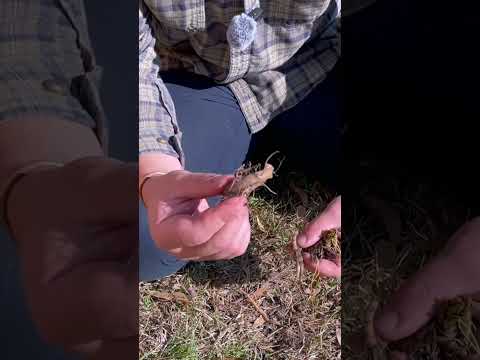
TL;DR: Propagate comfrey efficiently using crown divisions, root cuttings, or stem cuttings to enhance your permaculture system.
- Crown division offers rapid establishment and growth.
- Root cuttings maximize new plants from a single source.
- Stem cuttings are an alternative for propagation.
- Comfrey is a valuable permaculture plant.
- Propagating comfrey is straightforward.
Why it matters: Comfrey is a versatile plant that enriches soil, provides mulch, and serves as animal fodder, making its propagation critical for sustainable gardening and permaculture practices.
Do this next: Watch the video to see practical demonstrations of comfrey propagation methods.
Recommended for: Gardeners and permaculturists looking for practical ways to multiply comfrey and improve their soil health.
Comfrey, a valuable plant in permaculture systems, is known for its ability to accumulate nutrients and its use as a dynamic accumulator, mulch, and animal fodder. Propagating comfrey is a straightforward process, and there are three primary methods to achieve this: crown divisions, root cuttings, and stem cuttings. Each method offers distinct advantages and is suitable for different situations.
Crown division is a highly effective and commonly used method for propagating comfrey. This technique involves carefully excavating a mature comfrey plant, typically one that is at least two to three years old and well-established. Once the plant is out of the ground, the crown, which is the base of the plant where the stems emerge from the roots, can be divided. Using a sharp spade or knife, the crown is cut into several sections, ensuring that each section has a portion of the crown and some healthy roots attached. These divisions are then immediately replanted in their desired locations. Crown divisions generally have a high success rate because each new plant starts with an established root system and a growing point, allowing for rapid establishment and growth. This method is particularly efficient for quickly expanding a comfrey patch or sharing plants with others.
Root cuttings offer another reliable way to propagate comfrey, especially when a mature plant is available and you want to maximize the number of new plants from a single source. This method involves carefully digging around an established comfrey plant to expose some of its roots without completely uprooting it. Healthy, pencil-thick roots are ideal for this purpose. Sections of these roots, typically 2-4 inches long, are cut. It's important to orient the root cuttings correctly when planting; the end that was closer to the crown should be planted facing upwards, and the end that was further from the crown should be planted facing downwards. This can be achieved by making a slanted cut on one end and a straight cut on the other to easily distinguish the top from the bottom. The root cuttings are then planted horizontally or vertically in well-drained soil, about 1-2 inches deep. While root cuttings may take a bit longer to establish than crown divisions, they are an excellent way to propagate comfrey without disturbing the parent plant too much, and they can yield a large number of new plants from a relatively small amount of root material.
Stem cuttings, while possible, are generally considered the least reliable method for propagating comfrey compared to crown divisions and root cuttings. This is because comfrey stems do not readily form roots from nodal tissue as easily as some other plants. To attempt stem cuttings, healthy, non-flowering stems are taken from a mature plant. The cuttings should be about 6-8 inches long, with the lower leaves removed. The bottom end of the cutting can be dipped in rooting hormone, though this is not always necessary. The cuttings are then planted in a moist, well-draining growing medium, with at least two nodes buried beneath the soil surface. Maintaining consistent moisture and providing a warm, humid environment can increase the chances of success. However, the success rate for stem cuttings is often lower, and they take longer to establish compared to the other two methods. Therefore, stem cuttings are typically used when crown divisions or root cuttings are not feasible or when experimenting with propagation techniques.
In summary, propagating comfrey is an accessible process with three main approaches. Crown division is highly effective for quick establishment, utilizing sections of the plant's base with existing roots. Root cuttings allow for numerous new plants from root sections, requiring careful orientation during planting. Stem cuttings, while possible, are less reliable due to comfrey's rooting characteristics. Each method provides a pathway to expand comfrey patches, contributing to the plant's beneficial role in permaculture systems.
Source: youtube.com
Related Analysis
- Farms Build Resilience, Pivot to Regenerative Soil — New initiatives and analysis explicitly frame regenerative agriculture as a direct solution for climate resilience, focu…
- Federal Policy Pivots, Builds Indigenous Agriculture Frameworks — Federal policy trends are integrating Indigenous knowledge with soil science in regenerative agriculture, shifting polic…
Related on PermaNews
- Ernst Götsch's Cacao Syntropy: Master Agroforestry Now (How-To Guide)
- Finnish Off-Grid: Rocket Mass Heater Performance in Greenhouse (Case Study)
- Berlins schwimmende Gärten: Permakultur auf dem Wasser (Case Study)
- Rodale Report 2025: Thermal Mass Boost in Solar Greenhouses (Case Study)
- AUTarcaMatricultura La Palma: Permakultur & Energieautarkie (How-To Guide)
- Earthaven Ecovillage: 30 Years Off-Grid with Hydro & Solar (Video)
Explore more in Food Systems & Growing — the full hub for this knowledge area.