December Gardening: Sow & No-Sow Choices for Soil Health
By Outgrow : The Art & Practice of Self-sufficiency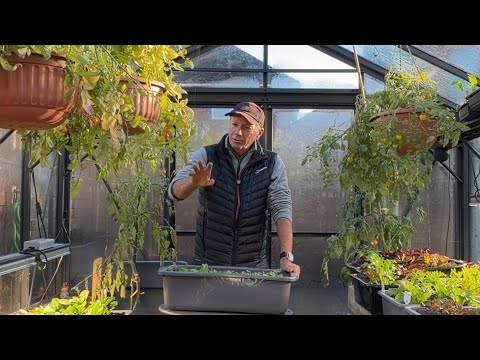
TL;DR: Strategic December sowing focuses on cold-hardy varieties and indoor starts to gain an advantage for spring harvests while avoiding frost-sensitive crops.
- Sow broad beans and early peas directly for early spring harvests.
- Start leafy greens and herbs indoors for winter protection.
- Avoid sowing warmth-loving vegetables like tomatoes and peppers.
- Utilize cold frames for sensitive indoor sowings.
- Prioritize hardy varieties that tolerate colder temperatures.
Why it matters: Understanding which crops to sow and which to avoid in December maximizes garden productivity and ensures earlier harvests, optimizing limited winter growing conditions.
Do this next: Review your garden’s microclimates and identify suitable spots for cold-hardy direct sowings.
Recommended for: New and experienced gardeners looking to optimize their winter growing efforts and secure earlier spring harvests.
The article discusses a gardener's plans for December, focusing on both what they intend to plant and what they will refrain from sowing during this month. The overarching theme is a strategic approach to gardening, considering the specific challenges and opportunities presented by the winter season.
A significant portion of the discussion revolves around the crops the gardener *will* be sowing. These are primarily varieties that can withstand colder temperatures or benefit from an early start indoors. For instance, broad beans are a key focus, with the gardener planning to sow them directly into the ground. The rationale here is that broad beans are quite hardy and can establish themselves well before the harshest winter weather sets in, leading to an earlier and more robust harvest in the spring. The article also mentions the intention to sow early peas, again leveraging their cold tolerance for an early crop.
Another category of plants destined for December sowing includes those that will be started indoors under protection. This strategy is employed for crops that are more sensitive to cold but benefit from a longer growing season. Examples include certain varieties of lettuce and other leafy greens, which can be transplanted outdoors once the weather warms sufficiently. The gardener also plans to sow some herbs indoors, recognizing that these can provide fresh produce throughout the winter if given adequate protection and light. The use of cold frames or unheated greenhouses is implied for these early indoor sowings, providing a microclimate that shields young plants from extreme cold.
The article also delves into the crops the gardener *will not* be sowing in December, and the reasons behind these decisions are equally insightful. The primary reason for holding back on certain sowings is the risk of frost damage and the generally slow growth rates during winter. Many warmth-loving vegetables, such as tomatoes, peppers, and most cucurbits (squash, cucumbers), are explicitly mentioned as being unsuitable for December sowing. The gardener explains that attempting to sow these now would likely result in stunted growth, disease, or outright failure due to insufficient light and warmth. Instead, these crops will be deferred until spring when conditions are more favorable.
Furthermore, the article touches upon the concept of succession planting, even in a winter context. While not explicitly sowing new crops, the gardener is mindful of existing plants and their potential for continued harvest. This includes overwintering vegetables like kale, Brussels sprouts, and certain root crops that can be harvested as needed throughout the colder months. The focus shifts from initiating new growth to maintaining and utilizing what is already established.
The gardener also emphasizes the importance of soil health and preparation during this dormant period. While not directly sowing, December is seen as an opportune time for tasks such as composting, mulching, and preparing beds for spring planting. This forward-thinking approach ensures that the soil is in optimal condition when the main planting season arrives, contributing to overall garden productivity.
In essence, the article provides a practical guide to winter gardening, highlighting the importance of selecting appropriate crops, utilizing protective measures, and understanding the limitations imposed by the season. It advocates for a thoughtful and strategic approach, balancing the desire for early harvests with the realities of cold weather and reduced daylight. The gardener's decisions are rooted in experience and a deep understanding of plant needs and seasonal cycles, offering valuable insights for anyone looking to extend their growing season or simply plan effectively for the year ahead.
Source: youtube.com
Related Analysis
- Farms Build Resilience, Pivot to Regenerative Soil — New initiatives and analysis explicitly frame regenerative agriculture as a direct solution for climate resilience, focu…
- Federal Policy Pivots, Builds Indigenous Agriculture Frameworks — Federal policy trends are integrating Indigenous knowledge with soil science in regenerative agriculture, shifting polic…
Related on PermaNews
- Ernst Götsch's Cacao Syntropy: Master Agroforestry Now (How-To Guide)
- Finnish Off-Grid: Rocket Mass Heater Performance in Greenhouse (Case Study)
- Berlins schwimmende Gärten: Permakultur auf dem Wasser (Case Study)
- Rodale Report 2025: Thermal Mass Boost in Solar Greenhouses (Case Study)
- AUTarcaMatricultura La Palma: Permakultur & Energieautarkie (How-To Guide)
- Earthaven Ecovillage: 30 Years Off-Grid with Hydro & Solar (Video)
Explore more in Food Systems & Growing — the full hub for this knowledge area.