Connie's Eggplant Cultivation Secrets Revealed
By Leanne Croker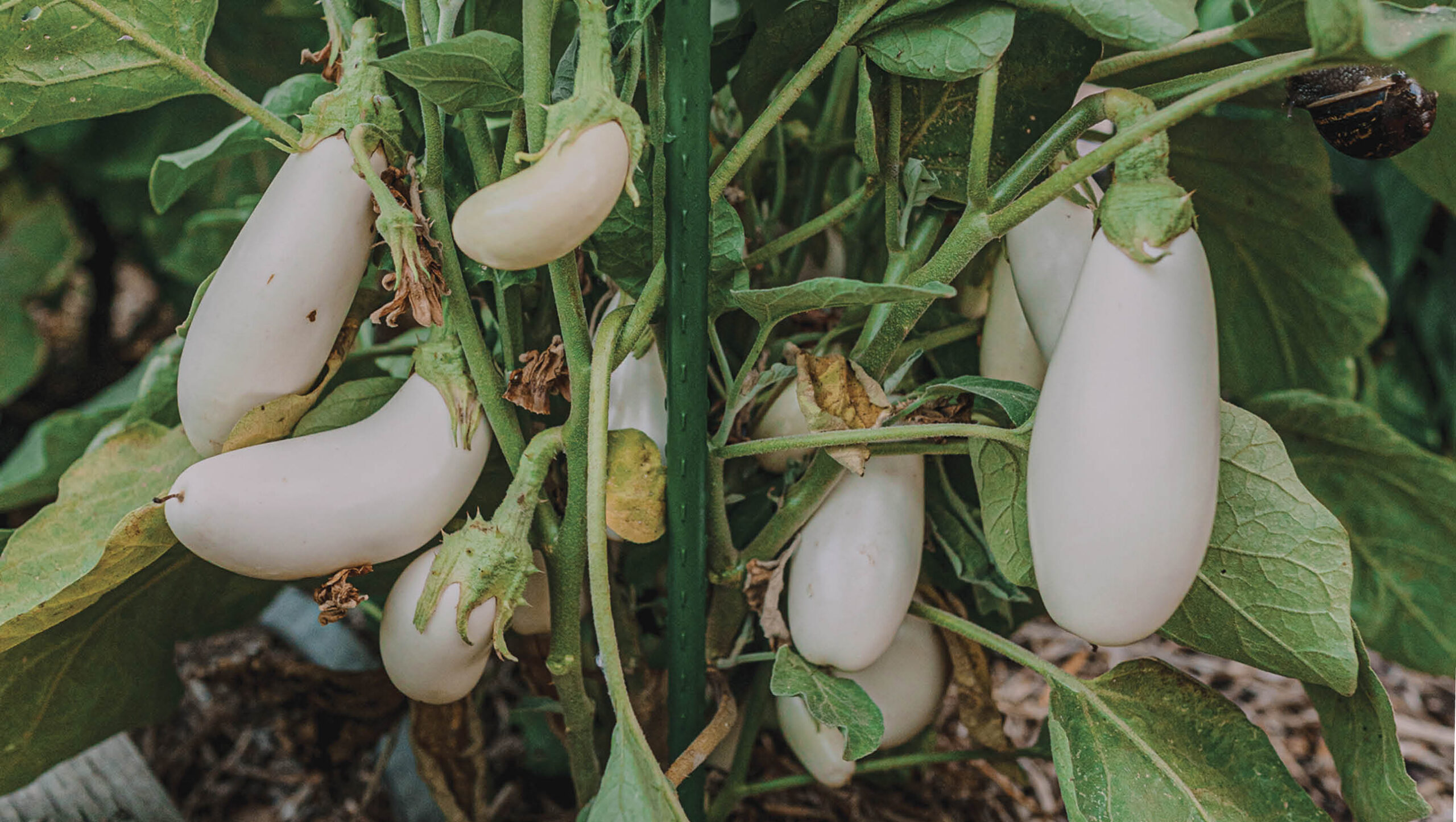
PermaNews Brief
Key Takeaways
Cultivating eggplants successfully involves understanding their specific needs for warmth, sunlight, nutrient-rich soil, consistent watering, and structural support.
- Start seeds indoors for a head start in cooler climates.
- Ensure well-draining soil rich in organic matter.
- Provide consistent moisture, especially during fruiting.
- Space plants adequately for air circulation and growth.
- Support heavy fruit to prevent stem breakage and rot.
Why It Matters
Growing eggplants provides fresh, versatile produce for diverse culinary applications while enhancing garden biodiversity and food self-sufficiency.
What to Do Next
Assess your garden space for a location receiving at least six to eight hours of direct sunlight daily.
Recommended for: Gardeners aiming to cultivate delicious eggplants through methodical, supportive care and nutrient-rich soil practices.
Growing eggplants can be a rewarding experience, offering a versatile vegetable for various culinary uses. To successfully cultivate these plants, several key factors need to be considered, from initial planting to ongoing care and harvesting.
Eggplants thrive in warm conditions, making them suitable for planting after the last frost has passed and soil temperatures have consistently risen. Starting seeds indoors several weeks before the outdoor planting date can give them a head start, especially in regions with shorter growing seasons. When transplanting seedlings, it's crucial to choose a sunny location in the garden that receives at least six to eight hours of direct sunlight daily. The soil should be well-draining and rich in organic matter. Amending the soil with compost or aged manure before planting can significantly improve its structure and nutrient content, providing an ideal environment for eggplant growth.
Proper spacing between plants is essential to allow for adequate air circulation and prevent overcrowding, which can lead to fungal diseases. A general guideline is to space plants about 24 to 36 inches apart. Once planted, consistent watering is vital, particularly during flowering and fruit development. Eggplants prefer consistently moist soil, but not waterlogged conditions. Deep watering rather than frequent shallow watering encourages deeper root growth, making the plants more resilient to dry spells. Mulching around the base of the plants can help retain soil moisture, suppress weeds, and regulate soil temperature.
As eggplants grow, they can become quite heavy with fruit, necessitating support to prevent stems from breaking. Staking or caging the plants early in their development can provide the necessary structural support. This also helps keep the fruit off the ground, reducing the risk of rot and pest damage.
Pest and disease management is another important aspect of growing eggplants. Common pests include flea beetles, aphids, and spider mites. Regular inspection of plants can help detect infestations early, allowing for timely intervention. Organic pest control methods, such as hand-picking pests, using insecticidal soaps, or introducing beneficial insects, are often effective. Crop rotation can also help prevent the buildup of soil-borne diseases.
Eggplants are ready for harvest when their skin is glossy and firm. The size of the fruit can vary depending on the variety, but generally, they are best picked when they are still relatively young and tender. Overripe eggplants tend to become bitter and seedy. To harvest, use a sharp knife or pruners to cut the stem about an inch above the cap of the fruit. Regular harvesting encourages the plant to produce more fruit throughout the growing season.
After harvesting, eggplants can be enjoyed in a multitude of ways, from grilling and roasting to incorporating them into stews and stir-fries. Their versatility in the kitchen adds to the satisfaction of growing them from seed to table. By following these guidelines, gardeners can look forward to a bountiful harvest of delicious eggplants.
Source: organicgardener.com.au
Related Analysis
- Regenerative Farmers Flip Cover Crop Logic From Compliance to Profit — Practitioner accounts and a new meta-analysis suggest cover cropping is being reframed from conservation practice to pro…
- Farmers Convert Six Weeks of Rhubarb Into 25-Year Supply — Initial signals suggest a rhubarb preservation technique can extend a brief seasonal harvest into 25 years of storage—a …
Related on PermaNews
- Rodale Institute's 50-Year Regenerative Organic Journey (Article)
- Rodale FST: 40+ Years of Organic vs. Conventional Farming (Case Study)
- Seed Saving: A Revolutionary Act for Biodiversity & Food (Article)
- Regenerative Crops: Avocados, Citrus, Strawberries Summit (Event)
- La Junquera's Keyline Design: Water Retention & Climate Resilience (Video)
- Global Summit: Organic Farming & Resilient Agriculture (Event)
Explore more in Food Systems & Growing — the full hub for this knowledge area.