City Permaculture: Your Essential Urban Gardening Guide
PermaNews Brief
Key Takeaways
Limited space is no barrier to productive urban gardening; transform balconies, rooftops, and patios into thriving green spaces.
- City gardening expands food production beyond traditional plots.
- Utilize vertical space and select compact plant varieties.
- Container gardening is versatile for various urban settings.
- Rooftop gardens need careful planning for weight and wind.
- Hugelkutur beds enhance soil and moisture retention.
- Raised beds help overcome poor urban soil quality.
Why It Matters
Urban gardening empowers city dwellers to grow fresh produce, contributing to food security and enhancing local ecosystems, even in densely populated areas.
What to Do Next
Assess your available urban space for sunlight, wind exposure, and potential for vertical gardening to determine the best setup.
Recommended for: City dwellers passionate about growing their own food and beautifying their limited urban spaces.
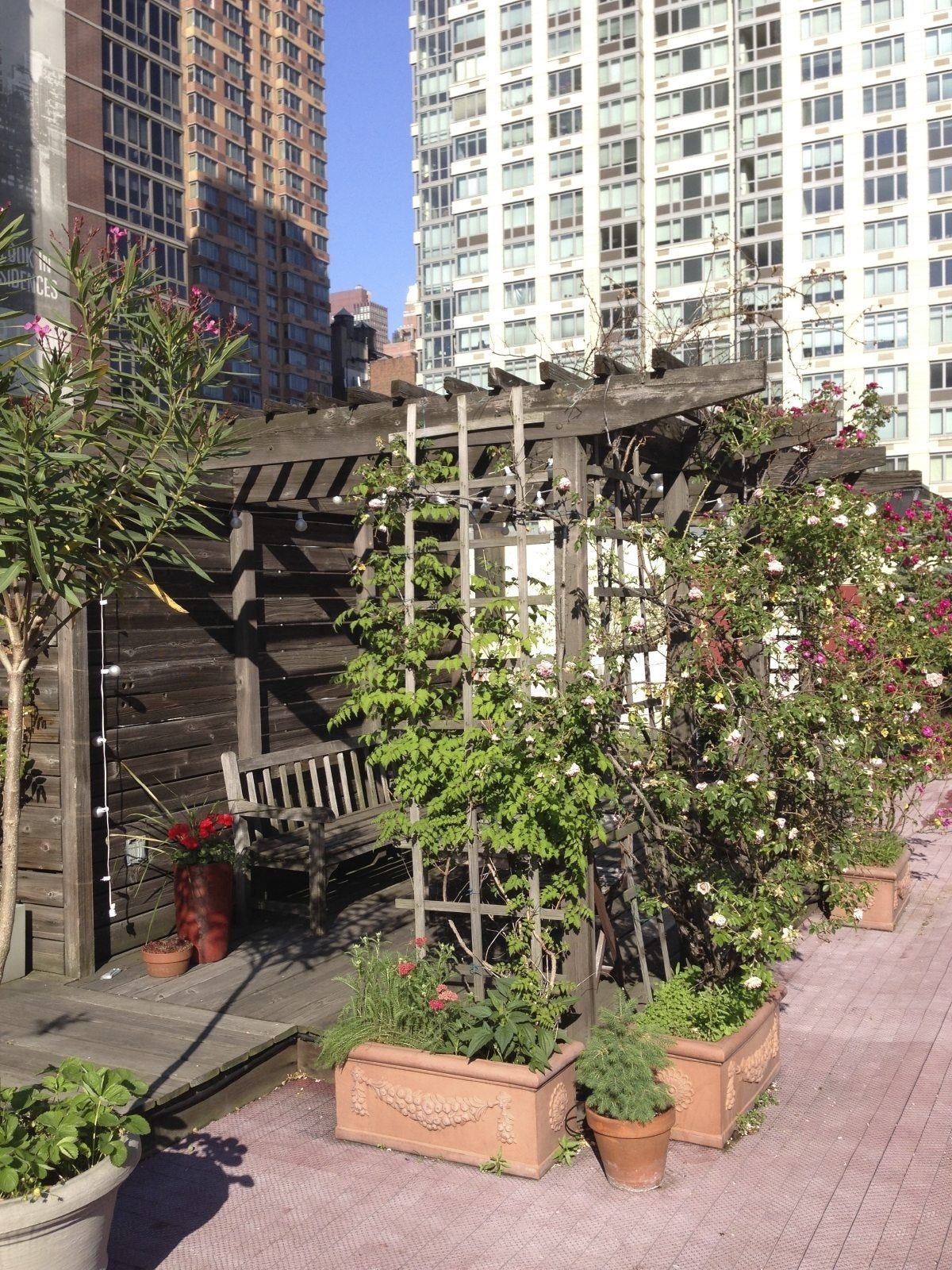
This comprehensive beginner's guide to urban gardening provides essential information for city dwellers looking to cultivate plants in limited spaces such as apartments, balconies, rooftops, and patios. It emphasizes that urban gardens extend beyond simple windowsill plants, enabling growers to produce vegetables, fruits, and ornamentals despite spatial constraints. Key sections cover getting started with urban gardens, including essential supplies like pots, soil, and tools, and specific techniques for various setups. For community gardens, it advises on organization, plot allocation, and shared maintenance to foster local food production. Apartment gardening tips focus on maximizing vertical space with shelves and hanging planters, selecting compact varieties, and managing light exposure from windows. Creating city gardens involves assessing sunlight, wind, and pollution factors unique to urban environments, recommending raised beds and containers to overcome poor soil quality. Rooftop gardens require lightweight soil mixes and wind-resistant structures, with advice on waterproofing and structural load considerations. Ornamental urban gardens incorporate noise-reducing plants like evergreens and flowering perennials for aesthetic and functional benefits. Urban patio gardens suggest modular furniture-integrated planters and dwarf varieties for seclusion. Raised beds are highlighted for their soil control and drainage advantages in contaminated urban soils, with construction tips using untreated wood or recycled materials. Hugelkultur beds, a permaculture-inspired method, involve layering logs, branches, and compost to create self-fertilizing mounds that retain moisture and improve soil fertility over time. Additional topics include mini greenhouses for seed starting, grow tents for indoor propagation, and container growing for dwarf fruit trees and shrubs, which thrive in pots with proper pruning and root pruning techniques. The advanced guide addresses overwintering balcony gardens through insulation, cold-hardy crops, and indoor relocation. Biointensive balcony gardening maximizes yields in small areas via intensive planting and companion cropping. Urban garden furniture like trellises and benches optimizes space, while balcony vegetable gardening prioritizes high-yield crops like tomatoes, peppers, and greens. Potted veggie gardens use self-watering systems for consistency. Rock gardening suits sunny, dry urban spots with drought-tolerant alpines. Indoor organic gardening employs LED lights and organic pest control, and hydroponic systems allow soil-less growth in apartments, recycling water efficiently. Overall, the guide stresses sustainable practices like composting kitchen scraps, rainwater collection, and native plant selection to enhance biodiversity and reduce urban heat islands. It equips beginners with practical, scalable strategies to achieve food security and mental well-being through gardening in dense populations.[Word count: 428]
Source: gardeningknowhow.com
Related Analysis
- Regenerative Farmers Flip Cover Crop Logic From Compliance to Profit — Practitioner accounts and a new meta-analysis suggest cover cropping is being reframed from conservation practice to pro…
- Farmers Convert Six Weeks of Rhubarb Into 25-Year Supply — Initial signals suggest a rhubarb preservation technique can extend a brief seasonal harvest into 25 years of storage—a …
Related on PermaNews
- Ernst Götsch's Cacao Syntropy: Master Agroforestry Now (How-To Guide)
- Finnish Off-Grid: Rocket Mass Heater Performance in Greenhouse (Case Study)
- Berlins schwimmende Gärten: Permakultur auf dem Wasser (Case Study)
- Rodale Report 2025: Thermal Mass Boost in Solar Greenhouses (Case Study)
- AUTarcaMatricultura La Palma: Permakultur & Energieautarkie (How-To Guide)
- Earthaven Ecovillage: 30 Years Off-Grid with Hydro & Solar (Video)
Explore more in Food Systems & Growing — the full hub for this knowledge area.