CIT University: 2026 Permaculture Summit Draws Global Experts
TL;DR: An international summit in the Philippines gathered experts to advance permaculture for global sustainability and community empowerment.
- Summit united global experts on permaculture in the Philippines.
- Discussions focused on policy, community, and urban/rural adaptation.
- Key themes: regenerative living, food security, UN SDGs.
- Practical applications: urban farming, water harvesting, agroforestry.
- Addressed challenges like land scarcity and farmer education.
Why it matters: Permaculture principles offer practical solutions for pressing global issues like food security, climate action, and sustainable development, impacting communities and ecosystems worldwide.
Do this next: Explore local permaculture initiatives or workshops in your region to learn practical applications.
Recommended for: Anyone interested in sustainable development, food security, and community-led environmental solutions.
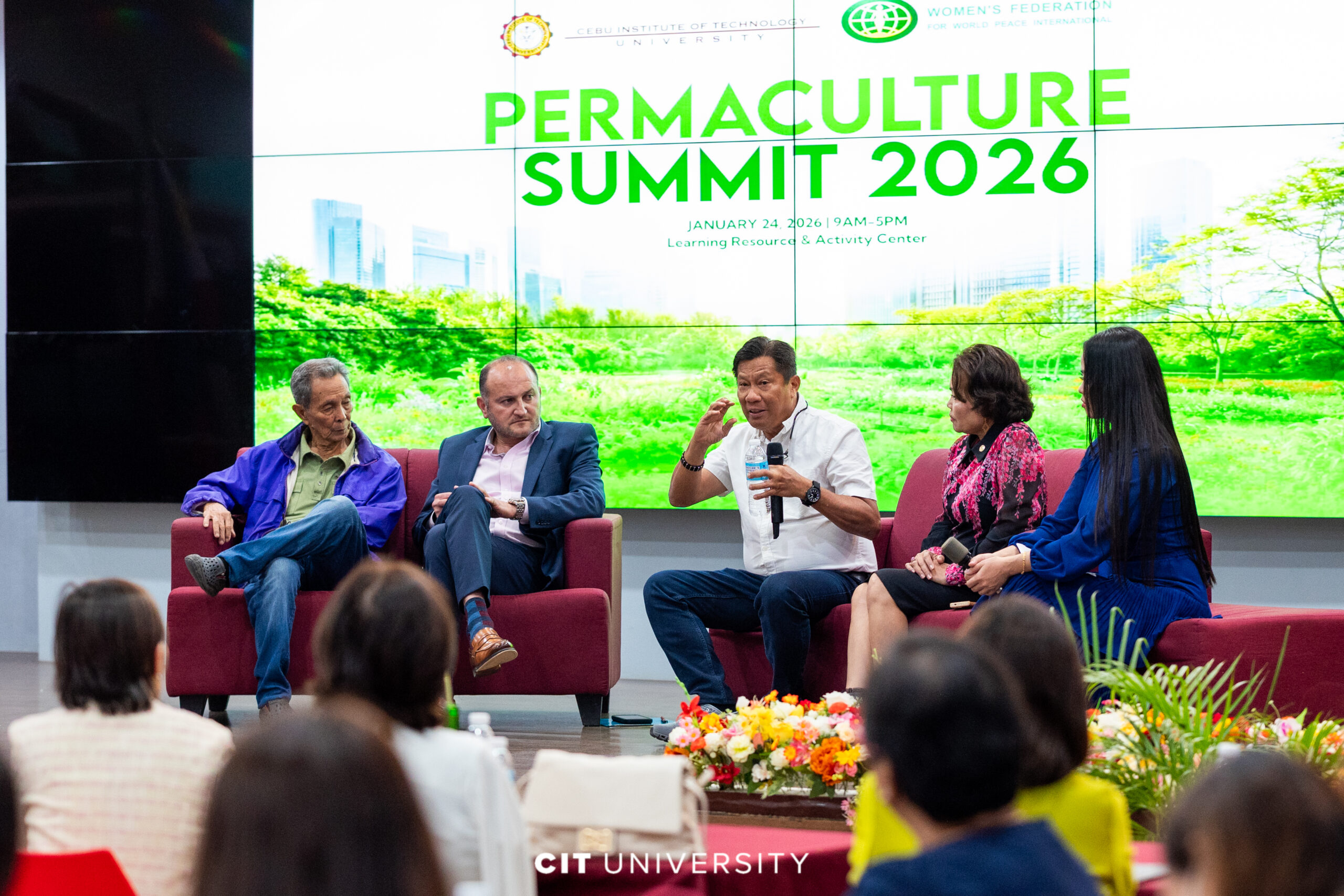
Cebu Institute of Technology–University (CIT University) hosted the Permaculture Summit 2026, organized by the Women’s Federation for World Peace International. The event drew 80 participants from multiple countries, fostering discussions on policy support, community empowerment, and adapting permaculture principles to both urban and rural contexts. Key themes included regenerative living, food security, and alignment with the United Nations Sustainable Development Goals (SDGs). Speakers emphasized permaculture's role in creating self-sustaining systems that enhance soil health, biodiversity, and resource efficiency. Sessions covered practical applications like urban gardening, water harvesting, and agroforestry integration to combat food insecurity and climate change. Participants explored how permaculture can empower marginalized communities through hands-on training and policy advocacy. The summit highlighted success stories from various regions, showcasing scalable models for waste reduction, renewable energy use, and ethical land stewardship. Breakout groups addressed challenges such as land scarcity in cities and farmer education in rural areas, proposing collaborative solutions like community gardens and school programs. Outcomes included commitments to pilot projects linking permaculture with local governments for broader impact. The event underscored permaculture's potential as a holistic framework for sustainability, promoting observation, interaction, and integration with natural processes. By focusing on perennial crops, companion planting, and closed-loop systems, attendees agreed on its viability for achieving SDGs related to zero hunger, climate action, and life on land. Networking opportunities facilitated international partnerships, with plans for follow-up webinars and regional workshops. CIT University's role as host amplified the summit's reach, positioning it as a leader in sustainable education. This gathering reinforced permaculture's global relevance, especially in 2026 amid escalating environmental crises, inspiring actionable strategies for resilient communities worldwide.
Source: cit.edu
Related Analysis
- Lo-TEK Institute Challenges Conventional Agriculture with Ancestral Wisdom — Indigenous practices are offering innovative frameworks for regenerative agriculture, emphasizing holistic ecological ap…
- Indigenous Ways Pioneer Regenerative Design Integration — New approaches in regenerative design and permaculture are integrating Indigenous frameworks, moving past Western-centri…
Related on PermaNews
- Ernst Götsch's Cacao Syntropy: Master Agroforestry Now (How-To Guide)
- Finnish Off-Grid: Rocket Mass Heater Performance in Greenhouse (Case Study)
- Berlins schwimmende Gärten: Permakultur auf dem Wasser (Case Study)
- Rodale Report 2025: Thermal Mass Boost in Solar Greenhouses (Case Study)
- AUTarcaMatricultura La Palma: Permakultur & Energieautarkie (How-To Guide)
- Earthaven Ecovillage: 30 Years Off-Grid with Hydro & Solar (Video)
Explore more in Community, Policy & Systems Change — the full hub for this knowledge area.