26-Acre Santa Cruz Farm Pioneers No-Till Regenerative Organic
By Santa Cruz Permaculture Farm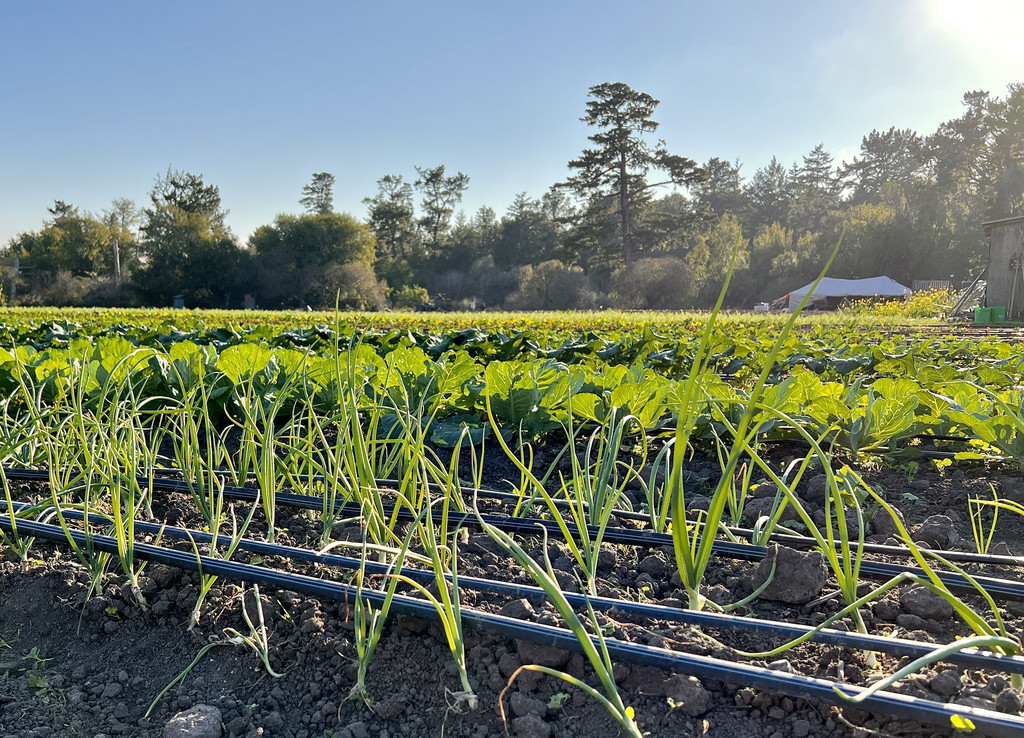
PermaNews Brief
Key Takeaways
This regenerative organic farm in California showcases successful no-till, high-diversity permaculture practices and offers educational programs.
- No-till farming enhances soil health and biodiversity.
- Diverse crops and livestock build ecosystem resilience.
- Biological pest control reduces synthetic input reliance.
- Water conservation is key for arid and semi-arid regions.
- Educational programs foster permaculture adoption.
Why It Matters
Adopting regenerative practices like those at Santa Cruz Permaculture Farm can significantly improve soil health, water retention, and biodiversity, offering a scalable model for sustainable agriculture.
What to Do Next
Research local native insectary plants to attract beneficial insects to your garden or farm.
Recommended for: Farmers, permaculture designers, and educators interested in scalable regenerative agriculture and ecological design.
Santa Cruz Permaculture Farm is a 26-acre regenerative organic farm located near Santa Cruz, California, practicing ecological no-till farming, cover cropping, and integrated pest management through ecological design. The farm grows over 80 diverse crops using regenerative organic methods that include compost, worm castings, and beneficial insect habitat creation to enhance soil health and biodiversity. Pest management is achieved by selecting regionally adapted crop varieties, crop rotation, physical barriers like row covers, and fostering native beneficial insect and bird populations. The farm also employs livestock rotation, agroforestry, and watershed restoration to build ecosystem resilience. It offers seasonal tours, festivals, internships, volunteer days, and permaculture courses, providing hands-on education in sustainable farming and IPM. The farm is transitioning from traditional organic cultivation to a biologically complex, no-till system that prioritizes soil regeneration and water conservation through drip irrigation and erosion control measures.
Source: localharvest.org
Related Analysis
- High-Salt Fertilizers Block Soil Microbes, Kempf Says — High-salt fertilizers disrupt soil microbes and microbial colonization, trapping farmers in chemical dependency. Biologi…
- Fertilizer Shortage Forces Reckoning on Nitrogen Sources — Fertilizer supply crisis drives farms toward nitrogen-fixing cover crops, compost, and legume rotations as alternatives.
Related on PermaNews
- Ernst Götsch's Cacao Syntropy: Master Agroforestry Now (How-To Guide)
- Finnish Off-Grid: Rocket Mass Heater Performance in Greenhouse (Case Study)
- Designing Regenerative Resilience: Participatory Living Labs (How-To Guide)
- Berlins schwimmende Gärten: Permakultur auf dem Wasser (Case Study)
- Lo—TEK: Indigenous Tech for Climate Solutions (Article)
- Rodale Report 2025: Thermal Mass Boost in Solar Greenhouses (Case Study)
Explore more in Food Systems & Growing — the full hub for this knowledge area.