Nature-Based Solutions for Climate Resiliency and Disaster Preparedness
By New York City Council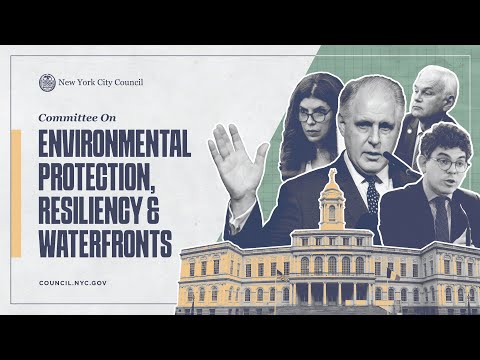
PermaNews Brief
Key Takeaways
Cities can leverage nature-based solutions for enhanced climate resilience and stormwater management.
- Nature-based solutions improve urban resilience
- Green infrastructure reduces stormwater runoff
- Municipal funding supports private green projects
- Collaboration boosts community climate initiatives
- Resilience strategies include schoolyards and medians
Why It Matters
This approach links funding, policy, and practical implementation effectively, guiding cities in resource allocation and infrastructure planning.
What to Do Next
Explore local funding opportunities for green infrastructure projects.
Permaculture Context
What this signals for permaculture practitioners is that the institutional language around stormwater, green infrastructure, and climate adaptation is finally converging with design principles that regenerative communities have applied at the homestead and neighborhood scale for decades. When cities begin funding private green infrastructure at the scale of $9.5 million and embedding ecological interventions into schoolyards and street medians, it creates real entry points for practitioners who understand soil hydration, swales, bioretention, and living root systems to engage with municipal programs rather than work around them. If you are designing a homestead, a community land project, or a urban lot, this is the moment to document your water management outcomes in language that funding bodies recognize — gallons managed, runoff reduced, sewer events avoided. The governance model emerging here, where public agencies coordinate with private landowners, mirrors the collaborative ethic already embedded in permaculture culture. The practical implication is straightforward: align your ecological design vocabulary with watershed planning frameworks and you may find that municipal resilience funding becomes a genuine resource for regenerative implementation at the neighborhood scale.
Recommended for: Local officials, urban planners, and climate resilience practitioners.
This live council session focuses on how cities can use nature-based solutions to improve climate resiliency and disaster preparedness, with a strong emphasis on stormwater management, green infrastructure, and neighborhood-scale implementation. The discussion includes specific programmatic details rather than abstract climate messaging. One example cited is that the city has funded over $9.5 million in private green infrastructure that manages 11 million gallons of stormwater per year on private properties. The session also references resilience funding from FEMA and the installation of green infrastructure in strategic MS4 areas, including schoolyards and street medians, showing how adaptation can be embedded into ordinary urban spaces. The practical value of this item is that it links policy, capital funding, and on-the-ground infrastructure deployment. It illustrates how municipal governments can reduce combined sewer overflows, improve water quality, and reduce flooding through engineered and ecological interventions. For practitioners, the most useful part is the combination of financing mechanisms, site selection logic, and implementation settings. The session appears especially relevant for local officials, urban planners, watershed managers, and climate resilience practitioners looking for replicable models of green infrastructure investment and community-facing stormwater adaptation. It also suggests a governance model in which public agencies coordinate with private property owners and federal resilience programs to scale impact across a city rather than relying on one-off demonstration projects. Overall, this is a concrete policy and implementation-oriented resource on climate resilience in urban environments, especially where flooding and stormwater runoff are recurring concerns.
Source: youtube.com
Related Analysis
- California Homesteaders Retrofit Greywater Before Drought Season — Several sources suggest CA homesteaders are retrofitting greywater systems ahead of drought season, prioritizing water r…
- Earthworks Retrofits Outperform Tech in Farm Drought-Proofing — Several regenerative farm case studies show earthworks and cascading storage systems achieving 2–3x water retention gain…
Related on PermaNews
- Designing Regenerative Resilience: Participatory Living Labs (How-To Guide)
- Amazonas: Chakra Waldgärten – Dynamische Agroforst-Wunder (Case Study)
- Nagaland's Jhum-Alder Agroforestry: Climate-Smart Farming (Article)
- CIT-ED Pioneers Tribal Food Forest for Climate & Food Security (Case Study)
- weADAPT: 100+ Climate Case Studies & Indigenous Practices (Case Study)
- Water Cycle Restoration Research: Indigenous Wisdom Meets Permaculture (Article)
Explore more in Water, Climate & Adaptation — the full hub for this knowledge area.