Master Food Preservation: Canning, Drying, Root Cellaring
PermaNews Brief
Key Takeaways
Explore diverse food preservation methods, from ancient techniques to modern technologies, to enhance your self-sufficiency and emergency preparedness.
- Master essential food preservation for self-sufficiency and resilience.
- Compare methods: canning, drying, fermenting, root cellaring.
- Optimize food storage for daily life and emergency scenarios.
- Understand trade-offs: cost, effort, shelf life, and risks.
- Choose the best preservation method based on your resources.
Why It Matters
Implementing food preservation techniques reduces food waste, cuts grocery bills, and builds crucial resilience for unexpected disruptions, ensuring a steady supply of nourishing food.
What to Do Next
Start with a simple fermentation project like sauerkraut to gain hands-on experience and build confidence in food preservation.
Recommended for: Anyone seeking practical knowledge to preserve food, reduce waste, and enhance household resilience through diverse methods, from beginners to those aiming for greater self-sufficiency.
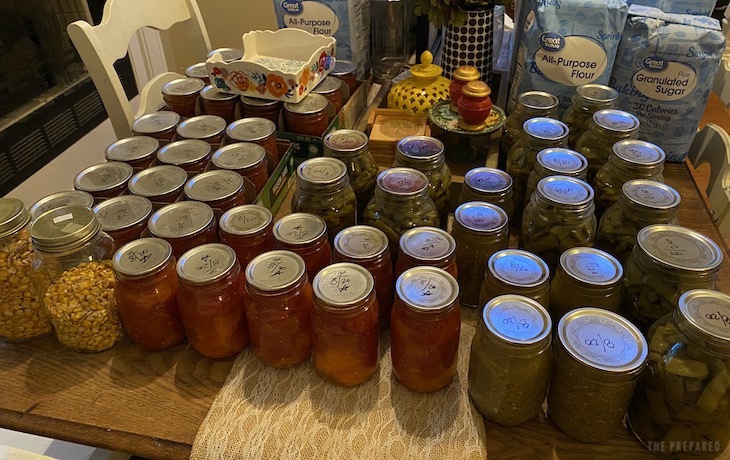
This beginner's guide from The Prepared details food preservation methods for daily life and survival, with a comparison table rating difficulty, shelf life, suitable foods, and drawbacks. Canning is hard, lasts years for fruits, vegetables, meat but is energy-intensive with botulism risks. Drying is easy, lasts months for fruits, herbs, grains, meat/fish but time-consuming. Root cellaring varies in difficulty, lasts months for vegetables, ferments, dried foods, requiring investment and exposure risks. Fermentation is easy, low-energy, lasts months for various foods, using live cultures like in kimchi for health benefits; pairs with canning but kills probiotics. Other methods include freeze-drying (easy, years, expensive), vacuum sealing (easy, years, needs electricity), mylar bagging (medium, years, costly), and wintering over (easy, months, risky). Practical insights cover preparation time (minutes for fermentation), costs (low for fermentation), and off-grid suitability. It demystifies fermentation's live cultures, providing actionable advice for long-term storage without power dependency, ideal for emergency preparedness with specific pros/cons and food type matches.
Source: theprepared.com
Related Analysis
- Does Growing Your Own Food Actually Save Money? The Real Numbers — Most home gardens save money by year two — but only if the right crops are planted. Herbs and salad greens deliver 5–10x…
Related on PermaNews
- Autarke Solar-Wind-Systeme: LiFePO4 Batterie-Management-Guide (How-To Guide)
- Holmgren's RetroSuburbia: Permaculture for Resilient Living (Article)
- Turn 6 Weeks of Rhubarb Into 25 Years of Storage (Video)
- Turn 6 Weeks of Rhubarb Into 25 Years of Storage (Video)
- Full Garden Tour For May 2026! GROWING 99% Of Our Fresh Food In Containers (Video)
- The Chicken Tractor That Does EVERYTHING (Free Plans) (Video)
Explore more in Food Systems & Growing — the full hub for this knowledge area.