2026 PermaGarden: Sustainable Growth & Yields
By Maritime Gardening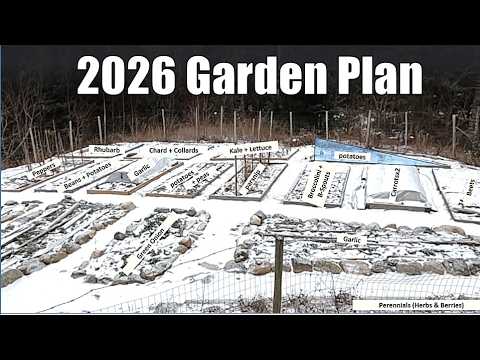
TL;DR: A 2026 garden plan leverages perennial systems, efficient water use, and continuous soil building for sustainable and productive yields.
- Multi-year rotation enhances soil health and pest control.
- Expand perennial food systems for long-term food security.
- Rainwater harvesting and drip irrigation conserve water.
- Mulching retains moisture and enriches soil.
- Compost and cover cropping improve soil structure.
Why it matters: Implementing these strategies can significantly reduce maintenance, improve garden resilience, and increase long-term productivity and food security.
Do this next: Start planning your perennial plant additions and water conservation methods for next year.
Recommended for: Gardeners, homesteaders, and permaculture enthusiasts looking to design a sustainable and productive garden with a long-term vision.
The 2026 garden plan outlines a comprehensive strategy for cultivating a diverse and productive garden, emphasizing sustainable practices and efficient resource management. The core of the plan revolves around a multi-year rotation system designed to enhance soil health, mitigate pest and disease issues, and optimize nutrient cycling. This rotation divides the garden into distinct zones, each dedicated to specific plant families or crop types, ensuring that no single area is continuously depleted by the same demands.
A significant component of the plan involves the expansion of perennial food systems. This includes establishing new fruit trees, berry bushes, and perennial herbs, which will contribute to long-term food security and reduce the annual effort required for planting. The selection of these perennials prioritizes varieties known for their resilience in the local climate and their ability to thrive with minimal intervention. Companion planting strategies are also integrated, utilizing the natural synergies between different plant species to deter pests and attract beneficial insects, thereby reducing the reliance on external inputs.
Water management is another critical aspect, with a focus on rainwater harvesting and efficient irrigation techniques. The plan details the installation of additional rain barrels and the implementation of drip irrigation systems in key areas. This approach aims to conserve water, especially during dry periods, and ensure that plants receive adequate moisture without waste. Mulching is extensively incorporated throughout the garden beds, serving multiple purposes: retaining soil moisture, suppressing weeds, and gradually enriching the soil as organic matter decomposes.
Soil building is a continuous process within the 2026 plan. This includes regular applications of compost, cover cropping during off-seasons, and the integration of green manures. The goal is to steadily improve soil structure, increase organic matter content, and foster a healthy microbial community, which are all fundamental to robust plant growth. Soil testing will be conducted periodically to monitor nutrient levels and pH, allowing for targeted amendments and ensuring optimal growing conditions for all crops.
The plan also addresses pest and disease management through an integrated approach. This involves careful observation, early detection, and the use of organic and biological controls whenever possible. Emphasis is placed on creating a balanced ecosystem that naturally keeps pest populations in check, rather than relying on synthetic interventions. Crop diversity and healthy soil are seen as primary defenses against common garden ailments.
Furthermore, the 2026 garden plan incorporates dedicated spaces for seed saving. This practice aims to foster self-sufficiency and adapt plant varieties to the specific microclimate of the garden over time. Selecting and saving seeds from the most vigorous and productive plants will contribute to a more resilient and locally adapted seed stock.
Finally, the plan includes provisions for expanding the composting system, allowing for the processing of a greater volume of garden and kitchen waste. This closed-loop system ensures that valuable organic matter is returned to the soil, further enhancing fertility and reducing waste. The overall vision for the 2026 garden is one of increased productivity, enhanced ecological balance, and reduced external reliance, moving towards a more self-sustaining and resilient food production system.
Source: youtube.com
Related Analysis
- Farms Build Resilience, Pivot to Regenerative Soil — New initiatives and analysis explicitly frame regenerative agriculture as a direct solution for climate resilience, focu…
- Federal Policy Pivots, Builds Indigenous Agriculture Frameworks — Federal policy trends are integrating Indigenous knowledge with soil science in regenerative agriculture, shifting polic…
Related on PermaNews
- Ernst Götsch's Cacao Syntropy: Master Agroforestry Now (How-To Guide)
- Finnish Off-Grid: Rocket Mass Heater Performance in Greenhouse (Case Study)
- Berlins schwimmende Gärten: Permakultur auf dem Wasser (Case Study)
- Rodale Report 2025: Thermal Mass Boost in Solar Greenhouses (Case Study)
- AUTarcaMatricultura La Palma: Permakultur & Energieautarkie (How-To Guide)
- Earthaven Ecovillage: 30 Years Off-Grid with Hydro & Solar (Video)
Explore more in Food Systems & Growing — the full hub for this knowledge area.