Eradicate Invasive Plants: Property Removal Q&A
By The Permaculture Consultant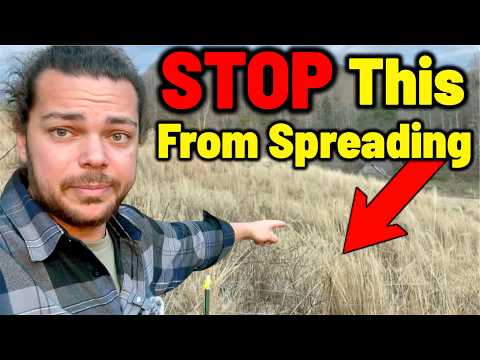
TL;DR: Effective invasive plant management requires accurate identification, strategic removal methods, and preventative measures to protect ecosystems.
- Identify invasive species correctly to choose effective removal methods.
- Manual removal suits small infestations, avoids chemicals.
- Mechanical methods like mowing can manage larger areas.
- Chemical control requires careful selection and application.
- Integrate various strategies for long-term success.
Why it matters: Invasive plants degrade biodiversity, alter habitats, and can be costly to control, impacting both natural ecosystems and human-managed landscapes.
Do this next: Consult local extension offices or online guides to identify invasive plants on your property.
Recommended for: Property owners and land managers seeking strategic approaches to invasive plant control.
Managing invasive plant species on one's property is a common challenge, and a strategic approach is essential for effective removal and prevention of recurrence. The initial step involves accurate identification of the invasive species present. This is crucial because different plants respond to various removal methods, and misidentification can lead to ineffective treatments or even exacerbate the problem. Resources like local extension offices, botanical gardens, or online plant identification guides can be invaluable in this stage. Understanding the specific characteristics of the invasive plant, such as its growth habits, reproductive methods, and preferred environmental conditions, will inform the most appropriate removal strategy.
Once identified, the next phase focuses on selecting the most suitable removal method. Several techniques are available, each with its own advantages and disadvantages. Manual removal, which involves physically pulling, digging, or cutting the plants, is often effective for smaller infestations or young plants. This method is labor-intensive but avoids the use of chemicals. For larger or more established infestations, mechanical methods using tools like brush cutters or mowers might be necessary. It's important to consider the timing of mechanical removal, as cutting plants at certain stages of their life cycle can prevent seed production or weaken the plant over time.
Chemical control, using herbicides, is another option, particularly for persistent or widespread invasive species. However, this method requires careful consideration due to potential impacts on non-target plants, soil health, and local wildlife. If herbicides are chosen, it's vital to select the correct type for the specific invasive plant and apply it according to label instructions, paying close attention to safety precautions and environmental conditions. Integrated pest management (IPM) principles suggest using herbicides as a last resort or in conjunction with other methods to minimize their use.
Biological control, which involves introducing natural enemies of the invasive plant, is a more complex and long-term strategy. This method is typically implemented by government agencies or research institutions after extensive study to ensure the biocontrol agent will not become invasive itself. While not usually an option for individual property owners, it's an important tool in the broader fight against invasive species.
Regardless of the chosen removal method, consistent follow-up is paramount. Invasive plants are often resilient and can regrow from root fragments or dormant seeds. Regular monitoring of the treated area and prompt removal of any new growth are critical to prevent re-establishment. This ongoing vigilance can span several years, depending on the species and the extent of the initial infestation.
Beyond removal, preventing future invasions is a key aspect of long-term management. This involves several proactive measures. When purchasing new plants for landscaping, it's crucial to choose native species or non-invasive alternatives. Many nurseries now provide information on plant invasiveness, and local resources can offer guidance on suitable native plants for a particular region. Avoiding the use of invasive species in landscaping is a fundamental step in preventing their spread.
Maintaining healthy soil and a diverse ecosystem can also make a property more resistant to invasive plant establishment. Healthy soil supports robust native plant communities, which can outcompete invasive species. Practices like composting, mulching, and minimizing soil disturbance contribute to soil health. Furthermore, regularly cleaning tools and vehicles after working in areas with invasive plants can prevent the accidental spread of seeds or plant fragments to other parts of the property or beyond.
Education plays a significant role in invasive plant management. Understanding the ecological damage caused by invasive species and the importance of their control can motivate individuals to take action. Sharing knowledge with neighbors and community members can foster a collective effort to manage invasive plants across a wider landscape, as invasive species do not respect property boundaries. Collaboration with local land trusts, conservation groups, or government agencies can provide additional resources and support for managing invasive plants on a larger scale. Ultimately, a multi-faceted approach combining identification, appropriate removal techniques, diligent follow-up, and preventative measures is essential for effectively managing and controlling invasive plants on one's property.
Source: youtube.com
Related Analysis
- Farms Build Resilience, Pivot to Regenerative Soil — New initiatives and analysis explicitly frame regenerative agriculture as a direct solution for climate resilience, focu…
- Federal Policy Pivots, Builds Indigenous Agriculture Frameworks — Federal policy trends are integrating Indigenous knowledge with soil science in regenerative agriculture, shifting polic…
Related on PermaNews
- Ernst Götsch's Cacao Syntropy: Master Agroforestry Now (How-To Guide)
- Finnish Off-Grid: Rocket Mass Heater Performance in Greenhouse (Case Study)
- Berlins schwimmende Gärten: Permakultur auf dem Wasser (Case Study)
- Rodale Report 2025: Thermal Mass Boost in Solar Greenhouses (Case Study)
- AUTarcaMatricultura La Palma: Permakultur & Energieautarkie (How-To Guide)
- Earthaven Ecovillage: 30 Years Off-Grid with Hydro & Solar (Video)
Explore more in Food Systems & Growing — the full hub for this knowledge area.