Permaculture Explained: Sustainable Living Principles
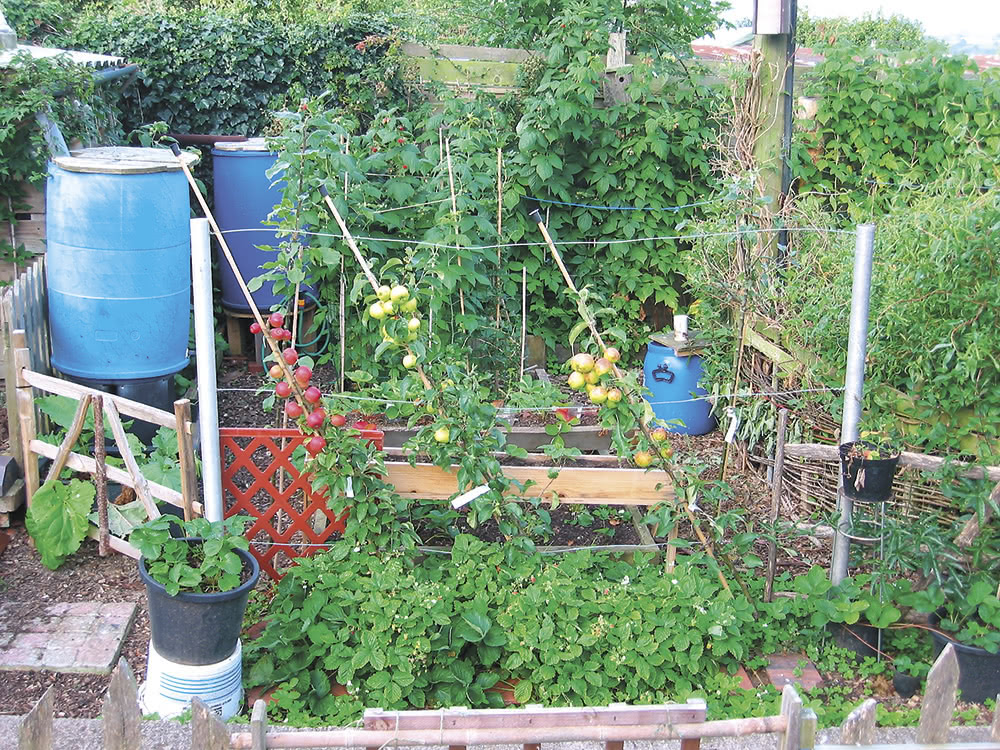
TL;DR: Permaculture is an ecological design system that applies natural principles to create sustainable human habitats, focusing on earth care, people care, and fair share.
- Mimic natural ecosystems for resilient designs.
- Integrate food, housing, and community aspects.
- Apply universal ethics for sustainable living.
- Focus on local and global problem-solving.
- Beyond gardening: economics, politics, personal behavior.
Why it matters: This philosophy offers a holistic framework for addressing environmental challenges and fostering self-sufficiency in daily life.
Do this next: Observe a natural ecosystem in your area and identify three patterns or relationships that could inform a design in your own space.
Recommended for: Individuals and communities seeking a holistic, ethical design system for sustainable living and problem-solving.
Permaculture is an ecological design system for growing food, building houses, creating communities, and minimizing environmental impact through cooperation with nature. It embodies caring for the earth and people via resourceful, self-reliant practices, applicable universally without dogma. Originally 'Permanent Agriculture,' it has grown into a comprehensive philosophy drawing from natural ecosystems to meet human needs sustainably. Central themes include human systems provisioned by natural elements, prioritizing sustainability. Permaculture tackles local and global problems through innovative solutions in households, gardens, businesses, and beyond. It encourages observation of natural patterns for resilient designs yielding food, energy, and social benefits. Ethics guide practices: earth care via organic methods, people care through need fulfillment, and fair share by redistributing surplus. Not limited to gardening, it informs economics, politics, and personal behavior. The Permaculture Association UK describes it as a non-exclusive framework for anyone, promoting low-impact living. Designs mimic nature's efficiency, using diversity and interconnections for abundance. Practical tools include zoning for energy efficiency, guilds for plant synergies, and edge effects for maximized productivity. Permaculture fosters community resilience, education, and purpose, countering consumerism with cyclical resource use. It empowers redesign of environments for permanence, addressing climate challenges proactively. This resource outlines permaculture's evolution into a life philosophy, emphasizing its role in sustainable futures through ethical, pattern-based design.
Source: permaculture.co.uk
Related Analysis
- Farmers Convert Six Weeks of Rhubarb Into 25-Year Supply — Initial signals suggest a rhubarb preservation technique can extend a brief seasonal harvest into 25 years of storage—a …
- Compost Builds Soil Microbiomes—But Human Waste Divides Practitioners — A small but consistent set of signals indicates composting's soil benefits are well-documented, while human-waste compos…
Related on PermaNews
- Ernst Götsch's Cacao Syntropy: Master Agroforestry Now (How-To Guide)
- Finnish Off-Grid: Rocket Mass Heater Performance in Greenhouse (Case Study)
- Berlins schwimmende Gärten: Permakultur auf dem Wasser (Case Study)
- Rodale Report 2025: Thermal Mass Boost in Solar Greenhouses (Case Study)
- AUTarcaMatricultura La Palma: Permakultur & Energieautarkie (How-To Guide)
- Earthaven Ecovillage: 30 Years Off-Grid with Hydro & Solar (Video)
Explore more in Food Systems & Growing — the full hub for this knowledge area.