Mexican Highlands: Succulent Rock Walls for Carbon & Water
By Crime Pays But Botany Doesn't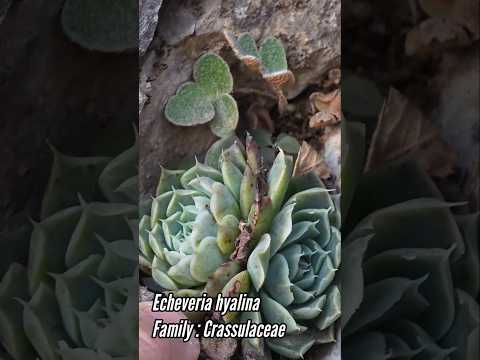
PermaNews Brief
Key Takeaways
Succulent rock walls in the Mexican Highlands offer a highly effective, water-efficient permaculture method for cultivating drought-tolerant plants and enhancing biodiversity.
- Rock walls maximize growing space with minimal water.
- Thermal mass regulates temperature for plant stability.
- Supports diverse plant life, especially succulents.
- Creates habitats for beneficial insects and microbes.
- Reduces reliance on external water sources.
Why It Matters
This method offers a sustainable solution for food production in arid regions and contributes to ecological health by fostering biodiversity and conserving water.
What to Do Next
Consider how the principles of thermal mass and water-wise plant selection could be applied to your own garden.
Recommended for: Gardeners, farmers, and permaculture enthusiasts in arid or high-altitude regions looking for sustainable and water-efficient cultivation methods.
In the high-altitude regions of Mexico, a distinctive and highly effective method of cultivation known as succulent rock walls is gaining recognition for its ecological benefits and agricultural productivity. This innovative approach integrates the natural landscape with permaculture principles, creating thriving microclimates that support a diverse range of plant life, particularly succulents and other drought-tolerant species.
The construction of these rock walls is a meticulous process, often utilizing locally sourced stones. These stones are carefully stacked without mortar, creating numerous crevices and pockets. These spaces are then filled with a specialized substrate, typically a mix of well-draining soil, compost, and organic matter, designed to retain moisture while preventing waterlogging. The inherent thermal mass of the rocks plays a crucial role, absorbing solar radiation during the day and slowly releasing it at night. This moderates temperature fluctuations, providing a more stable environment for plant growth, which is particularly beneficial in areas experiencing significant diurnal temperature swings.
One of the primary advantages of succulent rock walls is their exceptional water efficiency. The design inherently minimizes evaporation, and the chosen plant species are naturally adapted to arid or semi-arid conditions, requiring minimal irrigation. This makes them an ideal solution for regions facing water scarcity, promoting sustainable agriculture and reducing reliance on external water sources. Furthermore, the vertical orientation of these walls maximizes planting space in areas where flat land is limited, effectively increasing agricultural output per square meter.
Beyond their practical agricultural benefits, these rock walls contribute significantly to biodiversity. The varied microclimates within the wall structure offer habitats for a wide array of insects, small reptiles, and microorganisms, fostering a healthier ecosystem. The presence of these beneficial organisms can aid in natural pest control and pollination, further enhancing the productivity and resilience of the system. The aesthetic appeal of these living walls also adds to the beauty of the landscape, blending seamlessly with the natural environment.
The plant selection for these walls is critical. While succulents are a prominent feature due to their water-storing capabilities and resilience, other drought-tolerant plants, including certain herbs, edible greens, and even small fruiting plants, can be integrated. The key is to choose species that thrive in similar conditions and complement each other in terms of growth habits and resource requirements. This thoughtful plant layering contributes to the overall health and productivity of the wall system.
The implementation of succulent rock walls in the Mexican highlands represents a practical application of permaculture principles, demonstrating how human ingenuity can work in harmony with natural processes to create sustainable and productive agricultural systems. This method offers a compelling model for other arid and semi-arid regions globally, showcasing a pathway towards resilient food production, water conservation, and ecological restoration. The long-term benefits extend beyond immediate agricultural yields, contributing to soil health, biodiversity, and the overall ecological balance of the landscape.
Source: youtube.com
Related Analysis
- Regenerative Farmers Flip Cover Crop Logic From Compliance to Profit — Practitioner accounts and a new meta-analysis suggest cover cropping is being reframed from conservation practice to pro…
- Farmers Convert Six Weeks of Rhubarb Into 25-Year Supply — Initial signals suggest a rhubarb preservation technique can extend a brief seasonal harvest into 25 years of storage—a …
Related on PermaNews
- Ernst Götsch's Cacao Syntropy: Master Agroforestry Now (How-To Guide)
- Finnish Off-Grid: Rocket Mass Heater Performance in Greenhouse (Case Study)
- Berlins schwimmende Gärten: Permakultur auf dem Wasser (Case Study)
- Rodale Report 2025: Thermal Mass Boost in Solar Greenhouses (Case Study)
- AUTarcaMatricultura La Palma: Permakultur & Energieautarkie (How-To Guide)
- Earthaven Ecovillage: 30 Years Off-Grid with Hydro & Solar (Video)
Explore more in Food Systems & Growing — the full hub for this knowledge area.