Modern Tech's 8 Impacts on Livestock Farming
By Ricardo Orlando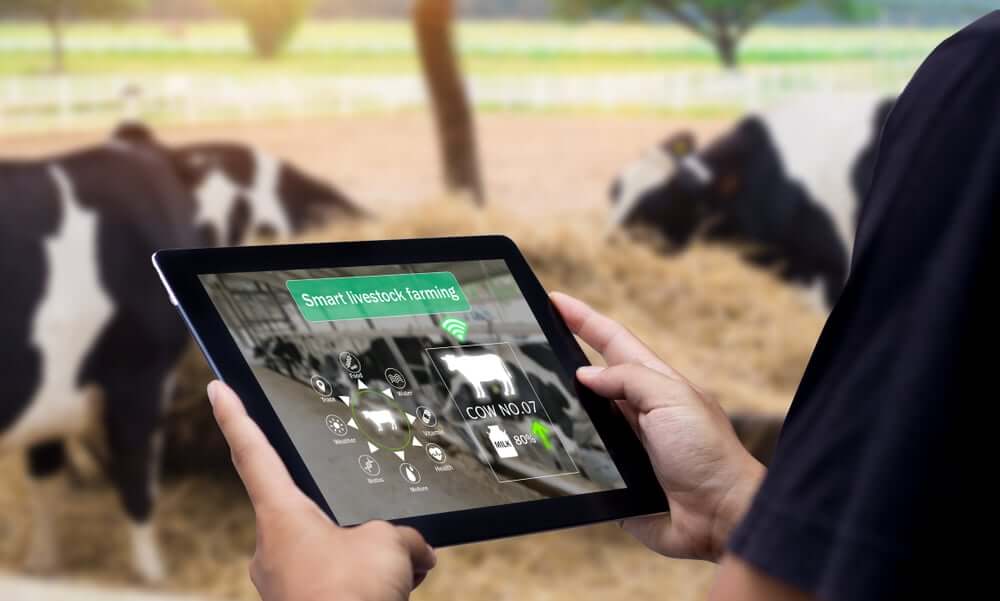
PermaNews Brief
Key Takeaways
Technology is transforming livestock farming by improving efficiency, sustainability, and animal welfare to meet increasing global demands.
- Data analytics and AI optimize resource allocation and predict issues.
- Automated feeding systems minimize waste and ensure optimal nutrition.
- Remote monitoring tracks vital signs and activity for proactive care.
- Robotics are increasingly integrated into livestock operations.
- Technology enhances efficiency, sustainability, and animal welfare.
Why It Matters
These technological advancements offer solutions for livestock farmers to adapt to changing agricultural demands and improve their practices.
What to Do Next
Research one of the mentioned technologies and assess its potential application on a small scale for your operation.
Recommended for: Livestock farmers, agricultural technologists, and sustainability advocates interested in innovative farming solutions.
The increasing global population and associated shifts, such as migration driven by conflict, political instability, economic opportunities, and environmental factors, have significantly altered agricultural demands, particularly in livestock farming. Modern technological advancements are playing a crucial role in addressing these evolving needs by enhancing efficiency, sustainability, and animal welfare within the industry.
One key area of improvement is the use of data analytics and artificial intelligence (AI). These technologies enable farmers to collect and analyze vast amounts of data related to animal health, feed consumption, growth rates, and environmental conditions. This data-driven approach allows for more informed decision-making, optimizing resource allocation and identifying potential issues before they escalate. For instance, AI can predict disease outbreaks or identify individual animals requiring specific attention, leading to proactive interventions and improved herd health.
Automated feeding systems represent another significant advancement. These systems precisely control the amount and type of feed delivered to each animal, minimizing waste and ensuring optimal nutrition. This not only reduces operational costs but also contributes to healthier animals and more consistent product quality. Some systems can even adjust feed ratios based on an animal's individual needs, further personalizing their diet.
Remote monitoring and sensor technology are transforming animal supervision. Wearable sensors on livestock can track vital signs, activity levels, and even location. This allows farmers to monitor their animals 24/7 from a distance, reducing the need for constant physical checks and enabling quicker responses to any anomalies. For example, sensors can detect early signs of lameness or reproductive cycles, improving breeding efficiency and overall animal well-being.
The integration of robotics into livestock operations is also gaining traction. Robots can perform repetitive and labor-intensive tasks such as milking, cleaning barns, and even herding. This frees up human labor for more complex management tasks and can lead to increased efficiency and improved hygiene standards within facilities. Robotic milking systems, for instance, allow cows to be milked on demand, reducing stress and increasing milk production.
Precision agriculture techniques, often enabled by GPS and mapping technologies, are being applied to pasture management. This involves optimizing grazing patterns, identifying areas needing fertilization, and managing water resources more effectively. By understanding the specific needs of different sections of their land, farmers can maximize forage production and minimize environmental impact.
Biotechnology and genetic advancements are contributing to more resilient and productive livestock. Selective breeding, aided by genetic analysis, allows farmers to develop animals with improved disease resistance, higher feed conversion rates, and better product quality. This reduces the reliance on antibiotics and other interventions, promoting more sustainable farming practices.
Vertical farming and controlled environment agriculture (CEA), while more commonly associated with crop production, are also influencing livestock feed production. Growing feed crops in controlled indoor environments can reduce land use, water consumption, and the impact of adverse weather conditions, leading to a more consistent and sustainable feed supply for livestock.
Finally, blockchain technology is enhancing traceability and transparency within the livestock supply chain. By creating an immutable record of an animal's journey from farm to consumer, blockchain can verify origin, health records, and ethical practices. This builds consumer trust and helps combat issues like food fraud, ensuring the integrity of livestock products. These technological innovations collectively contribute to a more efficient, sustainable, and humane livestock farming industry, better equipped to meet the demands of a changing world.
Source: urbanfarmonline.com
Related Analysis
- Regenerative Farmers Push Compost Timing as a Biological Tool — Several sources suggest regenerative farmers are shifting from nutrient-input logic to microbial-activity logic when man…
- Regenerative Farming's Pitch Shifts From Ethics to Ledgers — Several 2026 practitioner guides and presentations are making an explicit economic case for regenerative soil practices,…
Related on PermaNews
- Boost Biodiversity: Regenerative Ag for a Sustainable Future (How-To Guide)
- Gabe Brown's Regenerative Journey: ND to TX & MT Ranches (Article)
- CA Rangelands: Regenerative Grazing Fights Drought (10-Yr Study) (Case Study)
- Silvopasture: Maximize Livestock Gains with Regenerative Trees (How-To Guide)
- Agroforestry-Bioenergy System for Africa's Energy, Food, Health (Article)
- Regenerate Soil: Animal Integration in Carbon Farming (How-To Guide)
Explore more in Food Systems & Growing — the full hub for this knowledge area.