Garden Pests: A Simple Ecosystem Balancing Method (Q&A)
By The Permaculture Consultant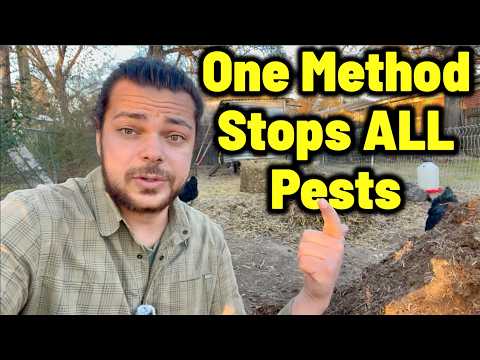
PermaNews Brief
Key Takeaways
Healthy, diverse garden ecosystems naturally prevent pest outbreaks by fostering plant resilience and beneficial insect populations.
- Pests signal garden imbalance, not enemies to eradicate.
- Healthy soil builds strong, pest-resistant plants.
- Biodiversity attracts beneficial pest controllers.
- Proactive design prevents reactive pest control.
Why It Matters
Shifting from pest eradication to ecosystem health creates more resilient and productive gardens with less effort and fewer chemical inputs.
What to Do Next
Start improving your soil today with composting or mulching to boost plant immunity.
Recommended for: Gardeners seeking sustainable, long-term solutions to pest management through ecological design and soil health.
The article discusses a permaculture-based approach to managing garden pests, emphasizing that the presence of pests often signals an underlying imbalance within the garden ecosystem rather than being an issue to be eradicated directly. The core philosophy presented is that a healthy, diverse, and resilient garden naturally deters pest outbreaks.
The author begins by challenging the conventional view of pests as enemies to be eliminated. Instead, they are reframed as indicators of a system that is not functioning optimally. The article suggests that a garden with a pest problem is essentially communicating a need for attention to its foundational health. This perspective shifts the focus from reactive pest control to proactive garden design and maintenance.
A key principle highlighted is the importance of soil health. The article explains that robust, living soil, rich in organic matter and microbial diversity, is fundamental to growing strong, healthy plants. Plants grown in such soil are inherently more resistant to pests and diseases. They possess a stronger immune system, making them less attractive targets for insects that often prey on weakened or stressed vegetation. The author advocates for practices like composting, mulching, and avoiding synthetic fertilizers and pesticides, all of which contribute to building and maintaining healthy soil structure and biology.
Another crucial element discussed is biodiversity. The article stresses the value of a diverse plant palette, including a mix of different species, varieties, and plant families. This diversity creates a more complex and stable ecosystem. It attracts a wider range of beneficial insects, such as predatory wasps, ladybugs, and lacewings, which naturally control pest populations. Companion planting, where specific plants are grown together for mutual benefit, is also mentioned as a way to deter pests or attract beneficials. For instance, some plants can repel pests with their scent, while others can provide nectar and pollen for beneficial insects.
The article also touches upon the concept of ecological balance. It explains that in a truly balanced ecosystem, no single species, including a pest, can dominate to the point of causing significant damage. There are natural checks and balances in place. When these balances are disrupted, often by monoculture farming or the use of broad-spectrum pesticides, pest populations can explode. The permaculture approach aims to restore and maintain this balance through thoughtful design and management.
Furthermore, the article suggests that proper plant selection is vital. Choosing plants that are well-suited to the local climate, soil conditions, and available sunlight reduces stress on the plants, making them less susceptible to pest attacks. Native plants, in particular, are often more resilient as they are adapted to the local environment and have evolved alongside local beneficial insects.
The author also addresses the role of observation in permaculture. Regularly observing the garden allows gardeners to identify potential issues early and understand the patterns of pest activity. This understanding can inform interventions that are in harmony with the ecosystem, rather than disruptive. For example, noticing a small pest population might prompt an investigation into plant stress or a lack of beneficial predators, rather than an immediate application of a pesticide.
In essence, the article promotes a holistic approach to pest management. It argues that by focusing on creating a thriving, resilient garden ecosystem through healthy soil, biodiversity, appropriate plant selection, and careful observation, gardeners can effectively prevent and manage pest issues without resorting to harmful chemicals. The "simple method" is not a single product or technique, but rather a comprehensive shift in perspective towards understanding and working with nature's processes.
Source: youtube.com
Related Analysis
- Food Forest Courses Shift From Theory to Build-Ready Skills — Several food forest courses now open with site assessment and guild-building rather than design theory, suggesting a dev…
- Practitioners Build Silvopasture Playbook Before Researchers Catch Up — A small but consistent set of signals from the Northeast U.S. shows farmers actively piloting silvopasture while formal …
Related on PermaNews
- Ernst Götsch's Cacao Syntropy: Master Agroforestry Now (How-To Guide)
- Finnish Off-Grid: Rocket Mass Heater Performance in Greenhouse (Case Study)
- Berlins schwimmende Gärten: Permakultur auf dem Wasser (Case Study)
- Rodale Report 2025: Thermal Mass Boost in Solar Greenhouses (Case Study)
- AUTarcaMatricultura La Palma: Permakultur & Energieautarkie (How-To Guide)
- Earthaven Ecovillage: 30 Years Off-Grid with Hydro & Solar (Video)
Explore more in Food Systems & Growing — the full hub for this knowledge area.