2025 Conservation Ledger: Losses, Gains, & Biodiversity Future
By Paco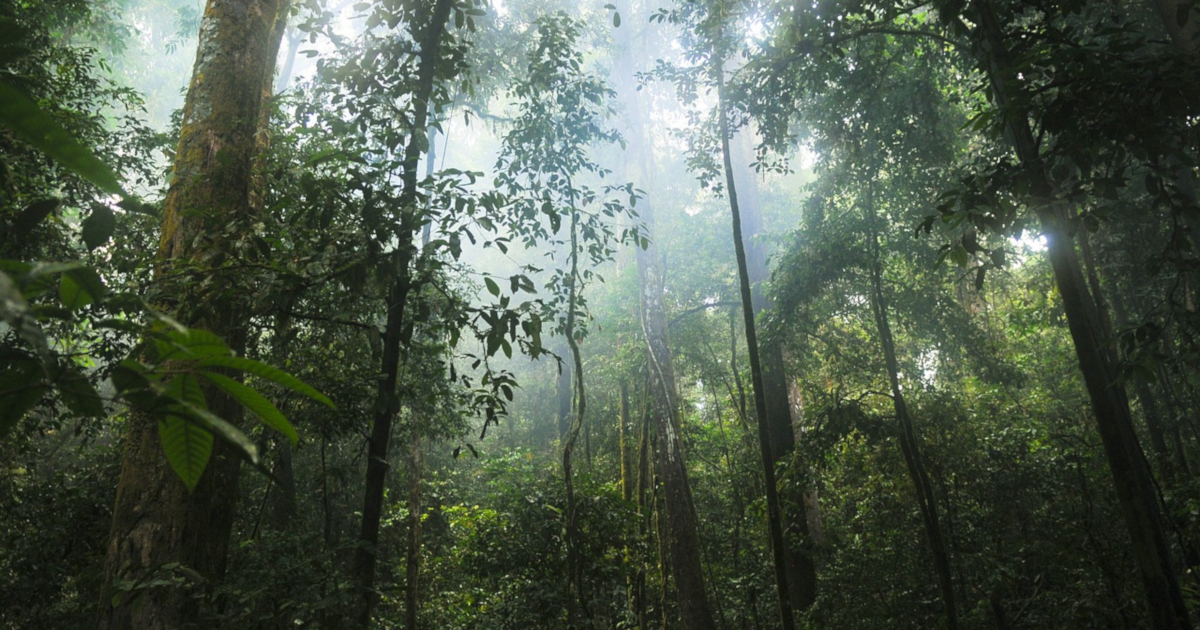
PermaNews Brief
Key Takeaways
Global conservation in 2025 saw both significant losses, especially in rainforests and marine environments, and notable, yet often underexamined, achievements.
- Rainforest deforestation remained high due to agriculture, logging, and mining.
- Ocean acidification and warming caused widespread coral bleaching.
- Overfishing continued to deplete fish stocks and disrupt marine food webs.
- Subtle conservation wins require meticulous, long-term scientific effort.
- Biodiversity loss is a gradual decline, not a sudden event.
- Regional efforts showed positive developments despite global challenges.
Why It Matters
Understanding the dual narrative of conservation in 2025 helps us recognize pressing threats and appreciate the nuanced, often less visible, successes that offer pathways for future action.
What to Do Next
Support or volunteer for local conservation initiatives focused on habitat restoration or sustainable fishing practices.
Recommended for: Anyone interested in understanding the multifaceted reality of global conservation efforts beyond simplified headlines.
The year 2025 presented a complex picture for global conservation efforts, characterized by both significant losses and notable achievements in the ongoing struggle to protect biodiversity. The narrative of extinction, as highlighted by various reports, is not a sudden event but rather a gradual decline, often marked by a dwindling number of observations, increasingly sparse data, and a diminishing sense of optimism regarding a species' survival. Similarly, the process of discovering new species or understanding ecological shifts is a protracted endeavor, involving meticulous comparison, scientific debate, and considerable patience over extended periods.
One of the most concerning trends observed in 2025 was the continued pressure on critical ecosystems, particularly rainforests. Deforestation rates, while showing some regional variations, remained alarmingly high in key biodiversity hotspots. The Amazon basin, for instance, continued to face threats from agricultural expansion, illegal logging, and mining activities, leading to further habitat fragmentation and loss for countless species. The impact of these activities extended beyond localized destruction, contributing to broader climate change patterns and disrupting hydrological cycles essential for regional and global ecological stability.
Marine environments also experienced significant challenges. Ocean acidification and warming, driven by climate change, continued to stress coral reefs globally, leading to widespread bleaching events. These events not only devastate the intricate ecosystems supported by corals but also impact the livelihoods of communities reliant on healthy marine environments. Overfishing remained a persistent problem in many parts of the world, depleting fish stocks and disrupting marine food webs, with particular concern raised over the status of several commercially important species.
Despite these setbacks, 2025 also saw a number of positive developments. Conservation organizations and indigenous communities achieved some notable successes in establishing new protected areas and strengthening the management of existing ones. These efforts were crucial in safeguarding critical habitats and providing refuges for endangered species. There was also increased recognition of the vital role of indigenous knowledge in conservation, leading to more collaborative approaches in land and resource management.
Technological advancements played an increasingly important role in conservation in 2025. Satellite monitoring and artificial intelligence were utilized to track deforestation, detect illegal activities, and monitor wildlife populations more effectively. Genetic research offered new insights into species resilience and adaptation, potentially informing future reintroduction programs and conservation strategies. Citizen science initiatives also gained momentum, empowering individuals to contribute valuable data to conservation efforts, from tracking bird migrations to monitoring water quality.
Furthermore, there was a growing global awareness and political will to address environmental issues. International agreements and national policies aimed at reducing carbon emissions and promoting sustainable land use practices saw some progress, albeit often at a slower pace than desired. The financial sector also began to show a greater interest in sustainable investments, with some institutions divesting from environmentally damaging industries and channeling funds towards green initiatives.
In summary, 2025 served as a stark reminder of the ongoing environmental crisis, characterized by the relentless erosion of biodiversity and critical ecosystems. However, it also highlighted the resilience of nature and the dedication of countless individuals and organizations working to protect it. The year underscored the complex, long-term nature of conservation, emphasizing that both losses and gains are part of an evolving process that demands sustained effort, innovation, and global cooperation to secure a sustainable future.
Source: organicconsumers.org
Related Analysis
- California Homesteaders Retrofit Greywater Before Drought Season — Several sources suggest CA homesteaders are retrofitting greywater systems ahead of drought season, prioritizing water r…
- Earthworks Retrofits Outperform Tech in Farm Drought-Proofing — Several regenerative farm case studies show earthworks and cascading storage systems achieving 2–3x water retention gain…
Related on PermaNews
- Designing Regenerative Resilience: Participatory Living Labs (How-To Guide)
- Amazonas: Chakra Waldgärten – Dynamische Agroforst-Wunder (Case Study)
- Nagaland's Jhum-Alder Agroforestry: Climate-Smart Farming (Article)
- CIT-ED Pioneers Tribal Food Forest for Climate & Food Security (Case Study)
- weADAPT: 100+ Climate Case Studies & Indigenous Practices (Case Study)
- Water Cycle Restoration Research: Indigenous Wisdom Meets Permaculture (Article)
Explore more in Water, Climate & Adaptation — the full hub for this knowledge area.