How to Use Solar Power in Woodlands and on Woodland Smallholdings
By Andy Reynolds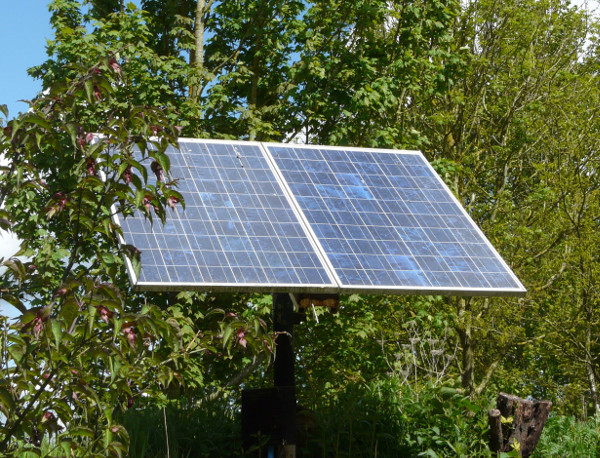
This article offers practical guidance on using solar power in woodland and smallholding settings, which makes it highly relevant to regenerative living and self-sufficiency. Rather than treating solar as a generic household technology, it frames the problem around low-impact land use, limited sun exposure, and the specific needs of rural or woodland-based users. The article explains that solar panels can charge batteries to create an energy-on-demand system, allowing power produced during sunny periods to be used later for tasks such as electric fencing, lighting, and charging battery tools. That is a concrete and useful concept for practitioners because it links generation and storage directly to small-scale land management tasks. The article also discusses panel placement, suggesting a south-facing sunny glade or ride as a starting point, which is the kind of siting advice that matters in shaded woodland environments. It addresses charge control and battery protection, explaining that a charge controller is needed to prevent overcharging and deep discharge, and it names PWM and MPPT controllers as the common options. That adds useful technical specificity without overwhelming the reader. Another valuable point is the article’s emphasis on surface area and cost tradeoffs: it notes that MPPT can help, but that larger panel area may be more effective depending on available space and budget. This helps readers think in system terms rather than assuming a single component solves the design problem. Overall, the piece goes beyond surface-level solar promotion by tying together panel siting, battery storage, controller selection, and practical end uses in a woodland context. A practitioner in regenerative living could use it as a starting point for designing a modest off-grid electrical system that supports farm chores, tools, and lighting while respecting land constraints. It is especially useful for people who want to understand how solar technology can fit into low-impact land management rather than urban rooftop assumptions.
Source: lowimpact.org
Related Analysis
- Homeowners Retrofit Properties with Renewable Energy Solutions — Renewable energy retrofitting gains traction as regenerative agriculture principles inform home upgrades. Experts point …
- New Practices Build Climate-Resilient Cob Homes — Cob construction emerges as a key strategy in enhancing resilience against ecological challenges in permaculture systems…
Related on PermaNews
- Ernst Götsch's Cacao Syntropy: Master Agroforestry Now (How-To Guide)
- Finnish Off-Grid: Rocket Mass Heater Performance in Greenhouse (Case Study)
- Berlins schwimmende Gärten: Permakultur auf dem Wasser (Case Study)
- Rodale Report 2025: Thermal Mass Boost in Solar Greenhouses (Case Study)
- AUTarcaMatricultura La Palma: Permakultur & Energieautarkie (How-To Guide)
- Earthaven Ecovillage: 30 Years Off-Grid with Hydro & Solar (Video)
Explore more in Shelter, Energy & Infrastructure — the full hub for this knowledge area.