Greening the Desert Project: Permaculture Video Series
PermaNews Brief
Key Takeaways
Learn how permaculture transforms barren deserts into productive food forests using water harvesting, swales, and companion planting.
- Transform arid lands into food forests.
- Utilize water harvesting and swales.
- Implement chop-and-drop mulching.
- Learn ecosystem design and plant guilds.
- Apply permaculture in challenging climates.
Why It Matters
This approach demonstrates practical methods for sustainable food production and ecological restoration in drought-prone regions, offering a replicable model for global food security.
What to Do Next
Research local water harvesting techniques suitable for your garden or land.
Recommended for: Anyone interested in permaculture, ecological restoration, and sustainable food production in challenging, arid climates.
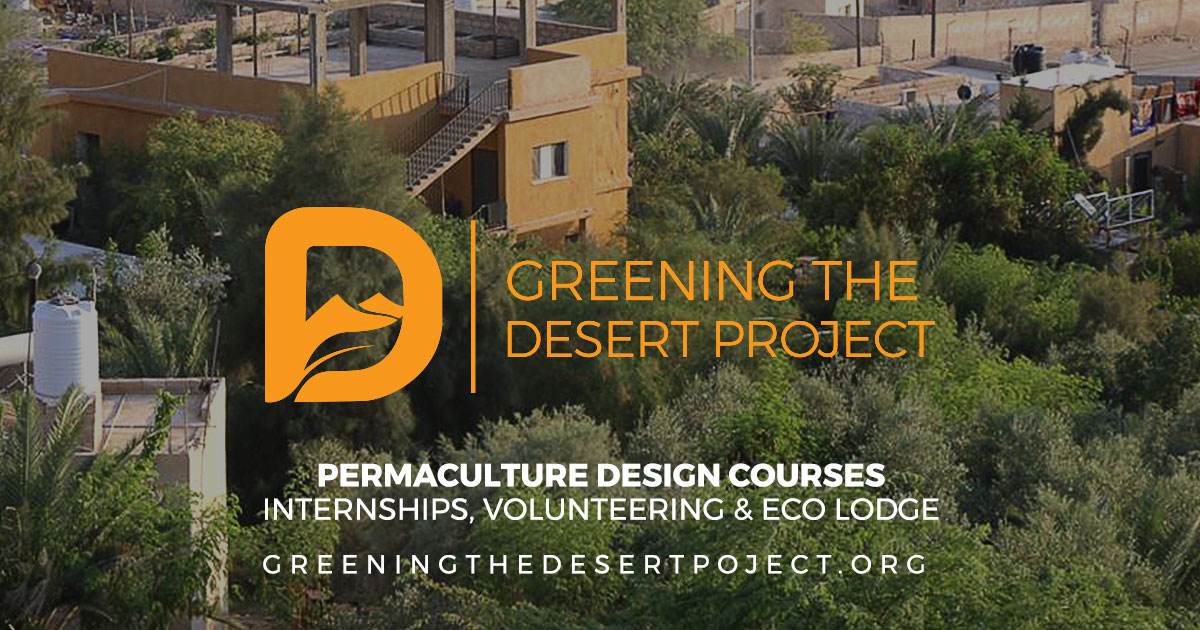
The Greening the Desert Project website hosts a collection of educational videos centered on transforming arid landscapes into productive food forests through permaculture techniques, led by experts like Geoff Lawton. Key content includes demonstrations of desert food forest establishment, where barren soils are converted into lush ecosystems using water harvesting, swales, and companion planting to capture rainfall and build soil fertility. Chop-and-drop methods are prominently featured, involving pruning nitrogen-fixing plants like legumes and mulching them directly onto the ground to suppress weeds, retain moisture, and enrich soil organically without external inputs. The videos also promote permaculture internships, such as the upcoming 2-week program from November 23rd to December 4th, 2025, designed for hands-on learning in Jordan's challenging desert environment. Participants engage in practical sessions on ecosystem design, plant guilds, and animal integration to create self-sustaining systems that produce abundant fruits, vegetables, and herbs. These resources draw from decades of on-site experimentation, showing dramatic results like increased groundwater levels, diverse wildlife return, and year-round yields in previously unproductive areas. The project exemplifies permaculture's core tenets—observe and interact, catch and store energy, and obtain a yield—applied to extreme climates, offering replicable models for global arid regions facing drought and food insecurity. Videos range from short tutorials to in-depth tours, making complex concepts accessible for beginners and advanced practitioners alike, with emphasis on community involvement and long-term resilience.
Source: greeningthedesertproject.org
Related Analysis
- Rainforest Alliance Launches Certification Tied to Soil Results — A developing direction in regenerative ag certifications demands measurable soil outcomes, not just practice adoption. R…
- Campbell's Corporate Grants Push Farmers Into Regenerative Trials — Campbell's Grower Grants are funding real-acre regenerative trials, offering a corporate-backed mechanism for on-farm ex…
Related on PermaNews
- Ernst Götsch's Cacao Syntropy: Master Agroforestry Now (How-To Guide)
- Finnish Off-Grid: Rocket Mass Heater Performance in Greenhouse (Case Study)
- Berlins schwimmende Gärten: Permakultur auf dem Wasser (Case Study)
- Rodale Report 2025: Thermal Mass Boost in Solar Greenhouses (Case Study)
- AUTarcaMatricultura La Palma: Permakultur & Energieautarkie (How-To Guide)
- Earthaven Ecovillage: 30 Years Off-Grid with Hydro & Solar (Video)
Explore more in Food Systems & Growing — the full hub for this knowledge area.