Homesteading Motivation: Staying Inspired in Permaculture
By paul wheaton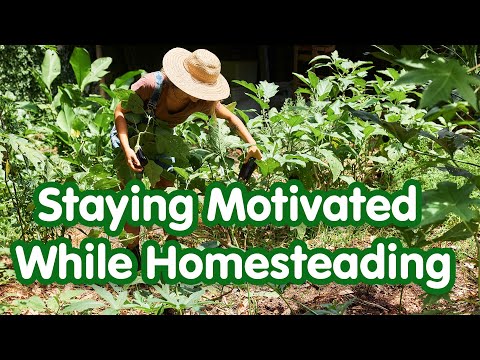
TL;DR: Homesteading presents significant challenges like demanding labor, diverse skill requirements, and financial pressures, which can undermine motivation, highlighting the need for strategic resilience.
- Homesteading demands significant physical and mental effort.
- Diverse skills are crucial for success and problem-solving.
- Financial investment and unexpected costs can demotivate.
- Isolation can negatively impact homesteaders.
- Sustaining motivation requires strategic management of challenges.
Why it matters: Understanding these common hurdles can help aspiring homesteaders prepare better and develop strategies to maintain motivation and prevent burnout.
Do this next: Watch the video to learn more about maintaining homesteading motivation.
Recommended for: Aspiring and current homesteaders seeking to build resilience and sustain their motivation amidst challenges.
Homesteading, while often romanticized, presents a unique set of challenges that can significantly impact motivation. The journey is frequently characterized by a demanding workload, the need for diverse skills, and a constant learning curve. Many individuals embarking on this path initially feel a surge of enthusiasm, but this can wane as the realities of daily tasks, unexpected setbacks, and the sheer volume of work become apparent.
One of the primary hurdles is the sheer amount of physical labor involved. From tending gardens and caring for livestock to maintaining infrastructure and processing harvests, homesteading is a physically demanding lifestyle. This constant exertion can lead to fatigue and burnout if not managed effectively. Beyond the physical, the mental load is also substantial. Homesteaders are often responsible for a wide array of tasks that require problem-solving, planning, and continuous learning. They must become proficient in areas such as animal husbandry, plant pathology, carpentry, plumbing, and even basic veterinary care, often without formal training. This continuous need to acquire and apply new knowledge can be overwhelming.
Financial pressures can also be a significant demotivator. While the long-term goal of homesteading often includes greater self-sufficiency and reduced expenses, the initial investment in land, tools, animals, and infrastructure can be substantial. Furthermore, early yields may not always meet expectations, and unexpected costs can arise, creating financial strain. The dream of a self-sustaining lifestyle can feel distant when faced with ongoing expenses and limited immediate returns.
Another common challenge is the feeling of isolation. Many homesteads are located in rural areas, which can limit social interaction and access to support networks. While some individuals thrive in solitude, others may find the lack of community connection draining. This isolation can be exacerbated when facing difficult decisions or setbacks, as there may be fewer people to consult or share experiences with.
The unpredictable nature of homesteading also contributes to motivational dips. Weather events, pest infestations, animal illnesses, and equipment malfunctions are all common occurrences that can derail plans and lead to significant losses. These setbacks, often beyond one's control, can be disheartening and make it difficult to maintain a positive outlook. The constant need to adapt and problem-solve in the face of adversity requires resilience and a strong sense of purpose.
To combat these challenges and sustain motivation, a multi-faceted approach is often necessary. One crucial strategy is to break down large, daunting projects into smaller, more manageable steps. This allows for a sense of accomplishment as each mini-goal is achieved, providing positive reinforcement and momentum. Celebrating these small victories, no matter how minor, can help maintain enthusiasm.
Establishing a routine can also be beneficial. While homesteading often requires flexibility, having a general structure for daily and weekly tasks can create a sense of order and predictability. This can help reduce decision fatigue and ensure that essential tasks are consistently addressed. However, it's also important to build in flexibility to accommodate unexpected events.
Connecting with other homesteaders is another powerful motivator. Sharing experiences, challenges, and successes with a like-minded community can provide invaluable support, advice, and a sense of belonging. Online forums, local groups, and workshops can all serve as platforms for this connection, helping to alleviate feelings of isolation and provide a sense of shared purpose. Learning from others' mistakes and triumphs can also accelerate one's own learning curve.
Prioritizing self-care is essential for long-term sustainability. This includes ensuring adequate rest, nutrition, and opportunities for relaxation. Pushing oneself constantly without breaks can quickly lead to burnout. Engaging in hobbies or activities unrelated to homesteading can also provide a mental break and help maintain a balanced perspective.
Finally, regularly reflecting on the "why" behind the homesteading journey can be a powerful source of motivation. Remembering the initial vision, values, and goals that inspired the lifestyle can help reignite passion during challenging times. Keeping a journal, reviewing progress, and visualizing future successes can all contribute to maintaining a strong
Source: youtube.com
Related Analysis
- Stacking Functions Emerges as Key to Resilience Practices — Emerging evidence shows stacking functions enhances community resilience through interlinked systems focused on efficien…
- Homesteading Moves Beyond Skill Acquisition to Durability — Homesteading is evolving beyond initial skill acquisition, with practitioners increasingly prioritizing long-term mainte…
Related on PermaNews
- Ernst Götsch's Cacao Syntropy: Master Agroforestry Now (How-To Guide)
- Finnish Off-Grid: Rocket Mass Heater Performance in Greenhouse (Case Study)
- Berlins schwimmende Gärten: Permakultur auf dem Wasser (Case Study)
- Autarke Permakultur-Siedlung: Solar-Wind & Redox-Flow-Speicher (Case Study)
- Rodale Report 2025: Thermal Mass Boost in Solar Greenhouses (Case Study)
- AUTarcaMatricultura La Palma: Permakultur & Energieautarkie (How-To Guide)
Explore more in Skills, Preparedness & Self-Reliance — the full hub for this knowledge area.