Water Flow Mastery: Excavation & Drainage for Landscape Health
By Ricardo Orlando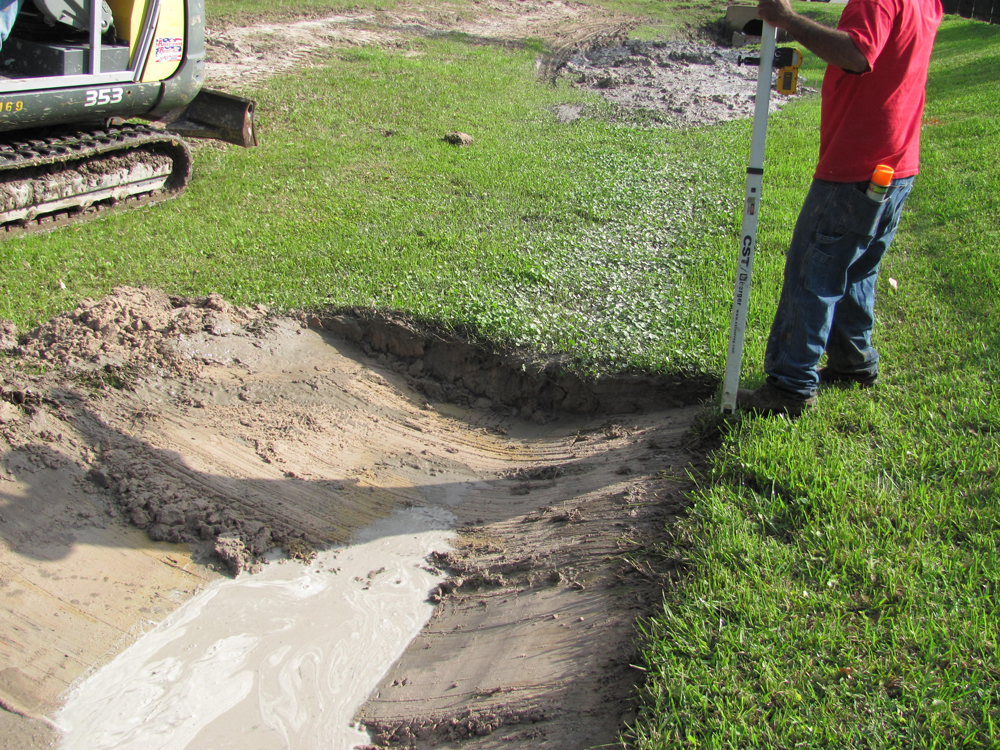
PermaNews Brief
Key Takeaways
Smart water management through excavation and drainage prevents soil degradation, stagnant water, and plant harm for a healthy landscape.
- Assess existing drainage, topography, and soil type.
- Reshape land with grading to direct water.
- Install swales to collect and convey water slowly.
- Use French drains for significant water issues.
Why It Matters
Proper water flow management is crucial for ecological balance and long-term landscape health, preventing common issues.
What to Do Next
Observe your landscape during and after rainfall to identify current water behaviors and problem areas.
Recommended for: Homeowners, gardeners, and landscape designers looking to implement effective water management strategies.
Effective water management is a cornerstone of a thriving landscape, extending beyond mere aesthetics to encompass crucial functional aspects. Overlooking proper drainage can lead to a cascade of issues, including the degradation of soil, the accumulation of stagnant water, and harm to plant life. Therefore, the strategic implementation of excavation and drainage techniques is paramount for controlling water movement within any given landscape.
The process begins with a thorough assessment of the site. This involves analyzing the topography, identifying existing drainage patterns, and understanding the soil composition. Different soil types have varying permeability; for instance, clay soils drain much slower than sandy soils, necessitating different approaches. Observing how water behaves during and after rainfall events is also critical for pinpointing problem areas. This initial evaluation forms the basis for designing an effective drainage solution tailored to the specific needs of the landscape.
Once the assessment is complete, various excavation techniques can be employed to reshape the land and facilitate proper water flow. Grading, for example, involves altering the slope of the land to direct water away from structures and sensitive plant areas. This can be achieved through the removal or addition of soil, creating gentle inclines that guide water naturally. Swales, which are shallow, broad depressions, are another effective excavation technique. They are designed to collect and slowly convey water across a landscape, often incorporating vegetation to help absorb and filter the water as it moves. For more significant water volumes or persistent issues, French drains can be installed. These consist of a trench filled with gravel and often contain a perforated pipe, which collects subsurface water and channels it to a designated discharge point.
Beyond excavation, a range of drainage solutions can be integrated into the landscape design. Catch basins and grates are commonly used in paved areas or near building foundations to collect surface runoff and direct it into an underground pipe system. These systems are crucial for preventing water from pooling and causing structural damage or creating slippery surfaces. Downspout extensions are simple yet effective tools for diverting rainwater from roof gutters away from the foundation of a building, preventing erosion and water intrusion. For areas prone to waterlogging, subsurface drainage systems, which involve a network of perforated pipes buried beneath the soil, can be installed to lower the water table and improve soil aeration.
The benefits of a well-designed drainage system are numerous. It prevents soil erosion, preserving the valuable topsoil and nutrients essential for plant growth. By eliminating standing water, it reduces the breeding grounds for mosquitoes and other pests, contributing to a healthier outdoor environment. Proper drainage also safeguards plant health by preventing root rot and other moisture-related diseases, ensuring that plants receive the right amount of water without being waterlogged. Furthermore, it protects structures from water damage, extending their lifespan and reducing maintenance costs. Ultimately, integrating effective excavation and drainage practices into landscape design is an investment in the long-term health, functionality, and aesthetic appeal of any outdoor space.
Source: urbanfarmonline.com
Related Analysis
- Projects Pivot to Integrate Rainwater Harvesting with Energy — New evidence indicates a shift toward integrating rainwater cisterns with renewable energy systems in permaculture proje…
- Farmers Pivot to Innovative Water Solutions Amid Drought — Decentralized water management systems are emerging among regenerative farms to enhance resilience against drought.
Related on PermaNews
- Hamburg: KREIS macht Jenfelder Au zur Pionierin der Wasserwirtschaft (Case Study)
- Design Starts with Water (Video)
- Dürrefest gärtnern: Permakultur übersteht Klimakrise (How-To Guide)
- Restoring An Ancient Floodplain (Video)
- Smartes Stadtgrün: Digitale Bewässerung & KI gegen Dürre (How-To Guide)
- Keyline-Design: Wassermanagement in Süddeutschland – Praxistest (How-To Guide)
Explore more in Water, Climate & Adaptation — the full hub for this knowledge area.