Saving Texas Caper: Native Plant Rescue from Destruction
By Crime Pays But Botany Doesn't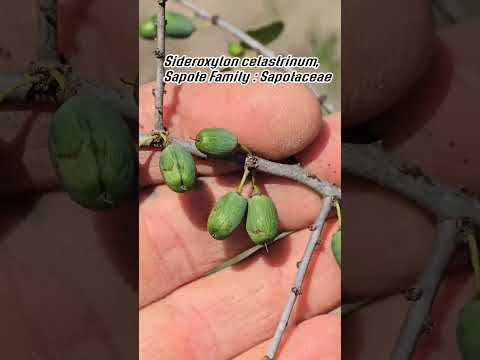
TL;DR: A Texas initiative is working to save the native Texas Caper plant from destruction due to urban development by relocating existing populations.
- Texas Caper is a crucial host plant for butterflies.
- Habitat loss threatens this native shrub.
- Conservation efforts involve plant relocation.
- Texas Caper thrives in semi-arid regions.
- The plant provides food for local wildlife.
Why it matters: Protecting native species like the Texas Caper is vital for maintaining local biodiversity and supporting the ecosystem.
Do this next: Support local conservation efforts for native plant preservation in your area.
Recommended for: Anyone interested in practical conservation, native plant ecology, and sustainable land use.
A recent initiative in Texas is focused on the preservation of a unique native plant, the Texas Caper, which faces significant threats from ongoing land development. This plant, scientifically known as *Quadrella incana*, is a shrub or small tree that can reach heights of up to 15 feet. It is characterized by its silvery-gray leaves and fragrant white flowers, which bloom primarily in the spring and summer months. The Texas Caper plays a crucial ecological role, serving as a host plant for the caterpillars of the Great Southern White butterfly and providing nectar for various pollinators, including bees and other butterfly species. Its fruit, a long, slender pod, is also a food source for local wildlife.
The primary habitat for the Texas Caper is the semi-arid regions of South Texas, particularly along the Gulf Coast and in the Lower Rio Grande Valley. It thrives in well-drained, sandy or rocky soils and is often found in scrublands, open woodlands, and along the edges of agricultural fields. Historically, its range extended across a broader area, but human expansion has significantly fragmented and reduced its natural environment.
The most pressing threat to the Texas Caper is habitat loss due to rapid urban and suburban development. As towns and cities expand, natural landscapes are cleared for housing, commercial properties, and infrastructure projects like roads and utilities. This destruction not only eliminates existing plant populations but also isolates remaining patches, hindering genetic exchange and making them more vulnerable to environmental stressors. Agricultural expansion and changes in land use practices also contribute to habitat degradation.
In response to these threats, conservation efforts are underway to salvage and propagate the Texas Caper. One key strategy involves identifying existing populations in areas slated for development and carefully relocating them to protected sites. This process requires specialized horticultural techniques to ensure the plants survive the transplanting shock. Another crucial aspect is seed collection and propagation. Seeds are gathered from wild populations and germinated in nurseries, with the resulting seedlings then grown out for reintroduction into suitable habitats or for distribution to botanical gardens and private landowners interested in conservation.
Educational outreach is also a vital component of the preservation strategy. Raising public awareness about the ecological importance of the Texas Caper and the threats it faces encourages community involvement in conservation. This includes promoting native plant landscaping, which can provide alternative habitats and food sources for wildlife, and supporting local conservation organizations. Collaboration between botanists, environmental scientists, land developers, and local communities is essential to finding sustainable solutions that balance development with ecological preservation. The long-term goal is to establish robust, self-sustaining populations of the Texas Caper across its historical range, ensuring its survival for future generations and maintaining the biodiversity of the South Texas ecosystem.
Source: youtube.com
Related Analysis
- Farmers Convert Six Weeks of Rhubarb Into 25-Year Supply — Initial signals suggest a rhubarb preservation technique can extend a brief seasonal harvest into 25 years of storage—a …
- Compost Builds Soil Microbiomes—But Human Waste Divides Practitioners — A small but consistent set of signals indicates composting's soil benefits are well-documented, while human-waste compos…
Related on PermaNews
- PRI Jordan: Arid Zone Permaculture Yields 5 Tons/Hectare (Case Study)
- Aboriginal Cool Burns: Permaculture's Ancient Fire Wisdom (Case Study)
- Crop Rotation Boosts Soil Biodiversity: Global Meta-analysis (Article)
- The Rewilders: Restoring the Ancient Pulse of the Aravallis (Video)
- The 10 Crops That Can Turn Arid Lands Into Biodiversity And Food Security Hotspots (Article)
- What Happens When a Species Disappears? The Chain Reaction Nobody Talks About (Article)
Explore more in Food Systems & Growing — the full hub for this knowledge area.