2.5 Years to Thanksgiving Dinner: Our Permaculture Journey
By Justin Rhodes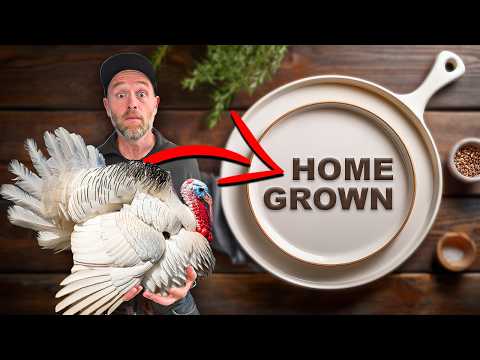
PermaNews Brief
Key Takeaways
A family successfully cultivated their entire Thanksgiving meal over 2.5 years, demonstrating long-term permaculture planning and self-sufficiency.
- Long-term planning is crucial for self-sufficient food production.
- Diverse planting strategies ensure a wide range of produce.
- Raising animals from young requires consistent care.
- Proper storage extends harvest availability.
- Perennial crops offer ongoing contributions to the food system.
Why It Matters
This endeavor showcases how dedicated effort and permaculture principles can lead to significant self-sufficiency in food production, inspiring others to adopt similar practices for food security and ecological integration.
What to Do Next
Start planning what you could grow for a future special meal, considering your climate and available space.
Recommended for: Those interested in undertaking significant, long-term self-sufficiency projects and integrating animal husbandry with diverse crop cultivation.
The article details a family's journey to grow their entire Thanksgiving dinner over a two-and-a-half-year period, highlighting the principles of permaculture and self-sufficiency. The endeavor began with a focus on establishing a robust food production system on their property, emphasizing long-term planning and ecological integration.
A significant portion of the effort was dedicated to cultivating the main protein: turkey. The family started with turkey poults, raising them from a young age. This involved providing appropriate housing, feed, and care to ensure healthy growth. The article implicitly suggests the turkeys were raised in a way that allowed them to forage and exhibit natural behaviors, aligning with permaculture ethics of animal welfare and integration into the ecosystem. The process of raising turkeys from scratch required consistent attention and a commitment to their well-being over an extended period.
Beyond the turkey, a wide variety of vegetables and fruits were cultivated to form the accompanying dishes for the Thanksgiving meal. This included staples like potatoes, sweet potatoes, and various root vegetables, which were likely grown in well-prepared garden beds, possibly utilizing techniques like no-dig gardening or raised beds to improve soil health and productivity. The article also mentions the cultivation of leafy greens, brassicas, and other seasonal vegetables, indicating a diverse planting strategy to ensure a broad range of produce.
The planning for such a meal extended beyond a single growing season. For items like winter squash, pumpkins, and certain root vegetables, planting would have occurred months in advance, with careful consideration for storage methods to preserve them until the holiday. This highlights the importance of understanding plant cycles, harvest times, and appropriate storage techniques for different types of produce.
The family also incorporated perennial crops into their system, which would have contributed to the long-term sustainability of their food production. While not explicitly detailed, this could include fruit trees, berry bushes, and perennial herbs, all of which provide consistent yields over many years with less annual effort once established. These elements are central to permaculture design, aiming to create resilient and self-sustaining food systems.
The article also touches upon the importance of soil health as a foundational element of their success. Building rich, fertile soil through composting, mulching, and other organic practices would have been crucial for supporting the diverse array of crops. Healthy soil not only provides essential nutrients but also improves water retention and supports a thriving microbial ecosystem, all of which contribute to robust plant growth.
The two-and-a-half-year timeline underscores the significant commitment and foresight required for such a project. It wasn't merely about planting seeds; it involved designing a comprehensive food system, managing livestock, understanding seasonal variations, and continuously learning and adapting their methods. This extended timeframe allowed for the establishment of mature plants, the raising of livestock to maturity, and the development of a resilient and productive homestead.
In essence, the article illustrates a practical application of permaculture principles, demonstrating how a family can move towards greater food self-sufficiency by thoughtfully designing and managing their land. It emphasizes patience, long-term planning, ecological integration, and a holistic approach to food production, culminating in a deeply personal and sustainable Thanksgiving celebration.
Source: youtube.com
Related Analysis
- Does Growing Your Own Food Actually Save Money? The Real Numbers — Most home gardens save money by year two — but only if the right crops are planted. Herbs and salad greens deliver 5–10x…
Related on PermaNews
- Autarke Solar-Wind-Systeme: LiFePO4 Batterie-Management-Guide (How-To Guide)
- Holmgren's RetroSuburbia: Permaculture for Resilient Living (Article)
- Transform 6 Weeks of Rhubarb into 25 Years of Preservation (Video)
- Transform 6 Weeks of Rhubarb for 25 Years of Preservation (Video)
- May 2026 Garden Tour: 99% of Our Fresh Food Grown in Containers (Video)
- The Ultimate Chicken Tractor for Complete Self-Sufficiency (Free Plans) (Video)
Explore more in Food Systems & Growing — the full hub for this knowledge area.