*Erythrostemon phyllanthoides* for Permaculture Design
By Crime Pays But Botany Doesn't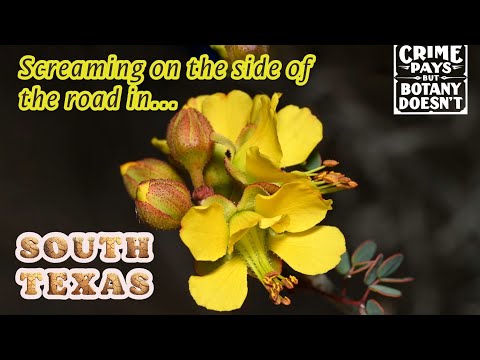
TL;DR: Erythrostemon phyllanthoides is an adaptable shrub gaining recognition for its unique leaf structure and drought tolerance, making it ideal for water-wise permaculture designs.
- Unique phyllanthoid branching maximizes photosynthesis and reduces water loss.
- Small shrub (1-3 feet) suitable for compact gardens or understory planting.
- Thrives in arid regions, indicating high drought and poor soil tolerance.
- Valuable for xeriscaping, soil stabilization, and erosion control projects.
- Aesthetically appealing for ornamental use in sustainable landscapes.
Why it matters: This plant offers a resilient, low-maintenance option for permaculture practitioners facing water scarcity or challenging soil conditions, while also providing ecological benefits.
Do this next: Explore local nurseries or online resources for sourcing Erythrostemon phyllanthoides to assess its suitability for your specific permaculture design.
Recommended for: Permaculture designers, home gardeners, and land managers seeking resilient, water-wise plant solutions for challenging environments.
The article discusses the plant *Erythrostemon phyllanthoides*, a species that has recently gained attention for its unique characteristics and potential applications within permaculture and sustainable gardening. This plant, often referred to by its common name, is a member of the Euphorbiaceae family, a diverse group known for its wide range of growth habits and chemical properties.
One of the key features highlighted is its unusual leaf structure. Unlike many plants where leaves are arranged in a typical spiral or opposite pattern along a stem, *Erythrostemon phyllanthoides* exhibits a phyllanthoid branching pattern. This means that its branches are flattened and resemble leaves, with the actual leaves being reduced or modified. This adaptation is thought to be a strategy to maximize photosynthetic surface area while potentially reducing water loss, making it well-suited for environments with limited resources. This characteristic also contributes to its distinctive aesthetic appeal, making it a plant of interest for ornamental purposes in addition to its ecological benefits.
The plant's growth habit is generally described as a small shrub or subshrub, typically reaching heights of one to three feet. It is characterized by a somewhat sprawling or bushy form, which can provide good ground cover in certain applications. Its relatively compact size makes it suitable for smaller garden spaces or as an understory plant in more extensive permaculture designs.
In terms of its ecological role, *Erythrostemon phyllanthoides* is noted for its resilience and adaptability. It is often found in arid or semi-arid regions, suggesting a high tolerance for drought conditions and poor soil quality. This hardiness makes it a valuable candidate for xeriscaping projects or for use in areas where water conservation is a priority. Its ability to thrive in challenging environments also points to its potential for soil stabilization and erosion control, particularly on slopes or degraded land.
The article also touches upon the plant's reproductive characteristics. It produces small, inconspicuous flowers, which are followed by small fruit capsules. While the specific details of its pollination mechanism are not extensively elaborated, its presence in diverse ecosystems suggests effective reproductive strategies. The seeds contained within these capsules provide a means for propagation, and understanding these processes is crucial for successful cultivation and conservation efforts.
From a permaculture perspective, *Erythrostemon phyllanthoides* offers several potential benefits. Its drought tolerance and low maintenance requirements align with permaculture principles of minimizing input and maximizing output. Its unique growth habit could be utilized for creating diverse plant layers, contributing to biodiversity and ecosystem resilience. Furthermore, its potential for soil improvement and erosion control makes it a practical choice for land regeneration projects. While not explicitly stated as a food or medicinal plant in this context, its membership in a family known for diverse chemical compounds suggests avenues for further research into its potential uses.
In summary, *Erythrostemon phyllanthoides* is presented as a fascinating and potentially valuable plant species. Its distinctive phyllanthoid branching, drought tolerance, and adaptability make it a compelling subject for study and application in sustainable landscaping and permaculture systems. Its resilience in challenging environments and its contribution to ecological stability underscore its importance in promoting biodiversity and sustainable land management practices.
Source: youtube.com
Related Analysis
- Farmers Convert Six Weeks of Rhubarb Into 25-Year Supply — Initial signals suggest a rhubarb preservation technique can extend a brief seasonal harvest into 25 years of storage—a …
- Compost Builds Soil Microbiomes—But Human Waste Divides Practitioners — A small but consistent set of signals indicates composting's soil benefits are well-documented, while human-waste compos…
Related on PermaNews
- Gardening Secrets: Ancient Potatoes & Deep Mulch Beds Revealed! #permaculture #gardening (Video)
- Sweet Potatoes in a Cold Climate | Finally Cracking the Code of Growing Slips (Video)
- Rising Food Prices Makes Growing Your Food More Important Than Ever (Video)
- What If Nature Could Teach You to Become Your Own Best Gardening Guide? (Video)
- You Need To Grow Passion Fruit/The Most Prolific Fruit Ever! You Don't Even Need To Buy The Seeds (Video)
- Grow HUGE Winter Squash in SMALL Spaces! Vertical Gardening Hack #shorts (Video)
Explore more in Food Systems & Growing — the full hub for this knowledge area.