Milpa Magic: Maya Forest Gardening & Wild Vanilla
PermaNews Brief
Key Takeaways
Maya forest gardening, using diversified milpa systems, offers a regenerative model for agriculture that enhances biodiversity and climate resilience.
- Milpa systems are diverse polycultures beyond basic "three sisters".
- Traditional methods integrate diverse crops and wild native genetics.
- Forest gardening mimics natural ecosystems for soil regeneration.
- Modern threats endanger traditional practices and wild genetics.
- Intercropping staples supports both humans and local wildlife.
- Regenerative design rebuilds soil and conserves water.
- Abundant food forests reverse biodiversity loss.
- Indigenous forest shaping enhances resilience and food security.
Why It Matters
This ancient agricultural approach provides a blueprint for modern permaculture, demonstrating how to cultivate food while simultaneously restoring ecosystems and adapting to climate change.
What to Do Next
Research native plant species suitable for polyculture systems in your local bioregion.
Recommended for: Permaculture designers, agroforestry practitioners, and anyone interested in indigenous land management and regenerative agriculture.
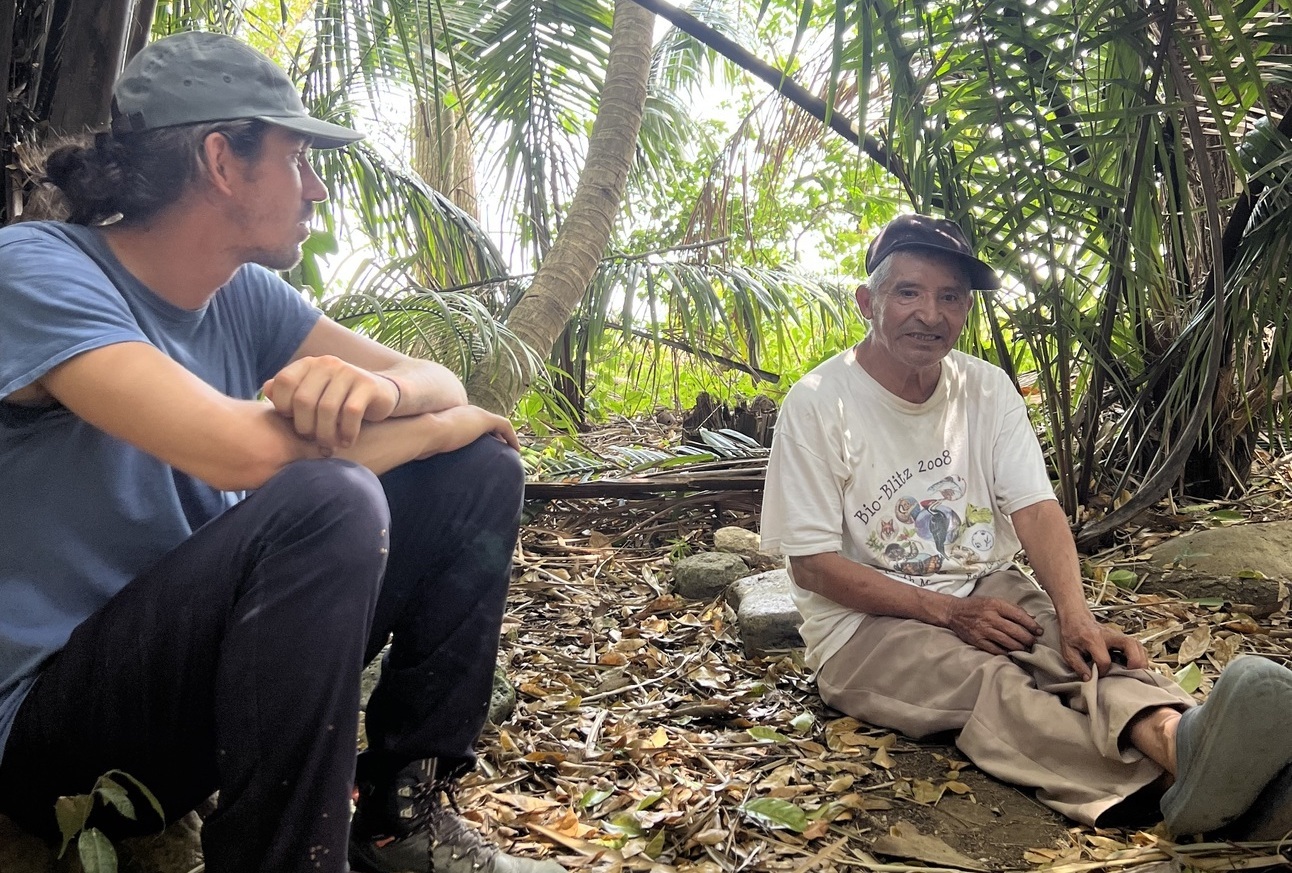
Maya communities in Belize, Guatemala, and Mexico's Yucatán have stewarded rainforests for thousands of years using the milpa system, a resilient polyculture agriculture approach far beyond the 'three sisters' (corn, beans, squash), creating biodiversity hotspots through forest gardening. This traditional method mimics natural ecosystems, integrating diverse crops, wild genetics of cacao and vanilla native to the region, and promoting soil regeneration over depletion. However, modern threats like rainforest destruction for quick profits endanger these practices and wild genetics, jeopardizing cultural continuity and ecological balance. The project highlights efforts to showcase superior cultivation of high-value wild cacao and vanilla to Belizean farmers, preserving heirloom varieties at risk of extinction. Milpa fields provide diverse blooms for bees, supporting pollination and honey production from ancient hollow log hives, generating community income. Practical implementation involves intercropping staples like tomatoes, squashes, corn, chocolate, and vanilla—foods developed by Mayans over 8,000-10,000 years—while sharing yields with wildlife, insects, birds, and reptiles. This regenerative design rebuilds soil organic matter, conserves water, and adapts to climate unpredictability like droughts and shifting seasons. Outcomes include abundant food forests that reverse biodiversity loss, restore medicinal plants, and model permaculture principles inspired by Maya management. By working with nature rather than against it, these systems offer concrete solutions for global practitioners: establish polycultures with native species, prioritize wild pollinators, protect forest edges for genetic diversity, and integrate economic crops like vanilla agroforestry. The initiative provides on-the-ground specifics for reviving endangered practices, demonstrating how Indigenous forest shaping enhances resilience, food security, and planetary health amid worsening climate crises.
Source: regenerativeroadtrip.com
Related Analysis
- Food Forest Courses Shift From Theory to Build-Ready Skills — Several food forest courses now open with site assessment and guild-building rather than design theory, suggesting a dev…
- Practitioners Build Silvopasture Playbook Before Researchers Catch Up — A small but consistent set of signals from the Northeast U.S. shows farmers actively piloting silvopasture while formal …
Related on PermaNews
- AUTarcaMatricultura La Palma: Permakultur & Energieautarkie (How-To Guide)
- PRI Jordan: Arid Zone Permaculture Yields 5 Tons/Hectare (Case Study)
- Amazonas: Chakra Waldgärten – Dynamische Agroforst-Wunder (Case Study)
- Aboriginal Cool Burns: Permaculture's Ancient Fire Wisdom (Case Study)
- CIT-ED Pioneers Tribal Food Forest for Climate & Food Security (Case Study)
- Crop Rotation Boosts Soil Biodiversity: Global Meta-analysis (Article)
Explore more in Food Systems & Growing — the full hub for this knowledge area.