Boost Flavor & Garden Health: Grow Alliums Now!
By Leanne Croker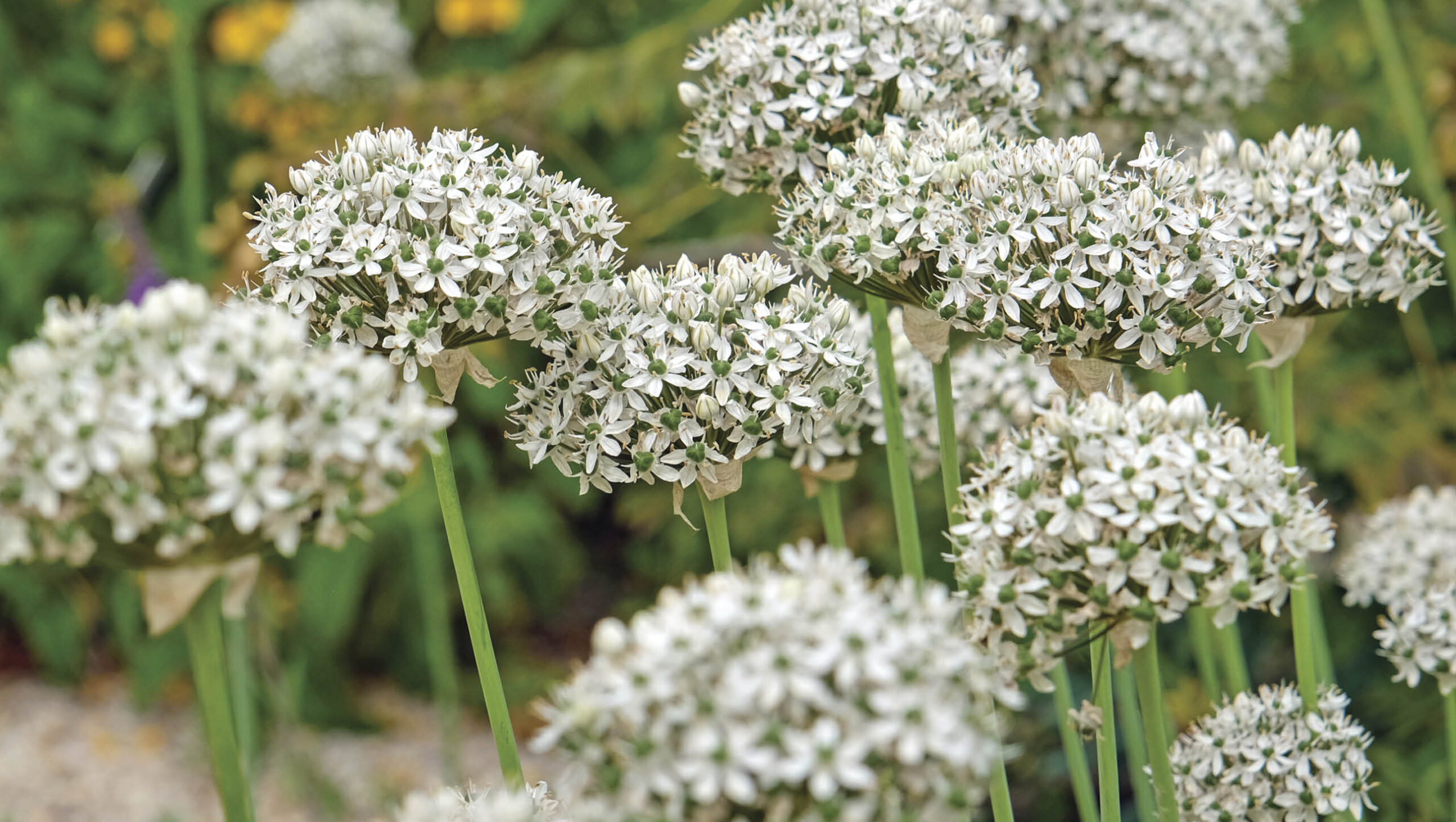
PermaNews Brief
Key Takeaways
Alliums enhance garden health and culinary dishes with diverse flavors and growth habits, offering continuous harvest and natural pest deterrence.
- Alliums offer diverse flavors and growth habits for continuous harvest.
- They are easy to grow and integrate into various garden designs.
- Alliums deter common pests with their strong aroma, benefiting garden ecosystems.
- Different varieties mature at varying rates for year-round supply.
- Bulb-forming alliums require patience but offer robust flavors and storage.
Why It Matters
Integrating alliums into your garden not only elevates your cooking with a continuous supply of fresh ingredients but also naturally protects other plants from pests, reducing the need for chemical interventions.
What to Do Next
Plant some chives or spring onions in a container near your kitchen door for a quick and easy culinary herb supply.
Recommended for: Gardeners of all experience levels looking to bolster their culinary herbs and naturally protect their plants from pests.
The allium family, encompassing a wide variety of plants like onions, garlic, leeks, chives, and shallots, offers significant benefits for both novice and experienced gardeners, contributing not only to culinary flavor but also to garden health. These plants are generally straightforward to cultivate and can be integrated into diverse garden designs, from dedicated vegetable patches to ornamental borders.
One of the primary advantages of growing alliums is their versatility in the kitchen. They are fundamental ingredients in countless cuisines worldwide, providing a spectrum of flavors from pungent and sharp to mild and sweet. Different allium varieties mature at varying rates, allowing for a continuous harvest throughout much of the year. For instance, spring onions and chives offer quick gratification with their rapid growth and ability to be harvested multiple times. These can be sown directly into the soil in early spring or even in containers for convenient access. Their leaves can be snipped as needed, and they often regrow, providing a sustained supply.
On the other hand, bulb-forming alliums such as traditional onions and garlic require a longer growing period. Onions are typically planted from sets (small immature bulbs) or seeds in early spring, developing their full size over several months before being harvested in late summer or early autumn when their tops begin to yellow and fall over. Garlic, often planted in autumn, overwinters and then develops its bulbs the following summer. Leeks also have a longer growing cycle, usually planted in spring and harvested from late summer through winter. The patience required for these slower-growing varieties is often rewarded with larger, more robust flavors and excellent storage potential.
Beyond their culinary uses, alliums play a beneficial role in the garden ecosystem. Many varieties are known to deter common garden pests due to their strong aroma. Planting them strategically among other vegetables can help protect susceptible crops from insects like aphids, carrot rust flies, and Japanese beetles. This natural pest control method aligns well with organic gardening principles, reducing the need for chemical interventions. Furthermore, some alliums, particularly chives and garlic chives, produce attractive flowers that can draw beneficial pollinators, such as bees, to the garden, enhancing overall biodiversity and supporting the pollination of other fruiting plants.
Cultivating alliums generally requires well-drained soil and ample sunlight. While they are relatively hardy, consistent moisture is important, especially during dry spells, to ensure good bulb development. Crop rotation is also a good practice when growing alliums to prevent the build-up of soil-borne diseases specific to the family. By rotating where alliums are planted each year, gardeners can maintain soil health and reduce the likelihood of issues.
In summary, incorporating alliums into a garden offers a multifaceted approach to gardening. They provide a continuous supply of flavorful ingredients for cooking, contribute to natural pest management, attract beneficial insects, and are generally easy to grow for gardeners of all experience levels. The diversity within the allium family ensures that there is a suitable variety for almost any garden space and culinary preference, making them a valuable addition to any permaculture-inspired or organic garden.
Source: organicgardener.com.au
Related Analysis
- Composting Advice Shifts From Chemistry to Microbial Biology — Several sources suggest composting guidance is pivoting from nutrient ratios toward microbial ecology—reframing what "go…
- Does Growing Your Own Food Actually Save Money? The Real Numbers — Most home gardens save money by year two — but only if the right crops are planted. Herbs and salad greens deliver 5–10x…
Related on PermaNews
- Growing Thousands of Onions for Winter & Intercropping Secrets! (Video)
- Year-Round Garlic: Perennial Allium Sativum Harvests! (Video)
- Garlic Soaking Trial: Red Gardens' Fertility Experiment Pt. 1 (Video)
- Gemüsezwiebeln im Januar vorziehen: Darum macht es Sinn! (Video)
- Boost Onion Planting Speed + Succession Crop Plans (Video)
- Garlic Growing and More at the Field! (Video)
Explore more in Food Systems & Growing — the full hub for this knowledge area.