No-Till Carrot Production: A Regenerative Deep Dive
By No-Till Growers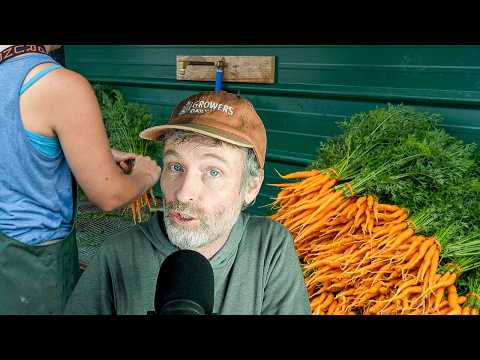
TL;DR: Optimal carrot cultivation in regenerative systems requires careful management of soil, nutrients, and weeds to ensure healthy root development.
- Loose, well-drained soil prevents stunted and malformed carrots.
- No-till uses cover crops and organic matter for soil structure.
- Balanced nutrients are crucial; avoid excess nitrogen.
- Soil testing guides nutrient amendments, especially in no-till.
- Integrated weed control is vital during early growth stages.
Why it matters: Successful carrot production and profitability hinge on understanding and adapting practices to specific challenges posed by this root crop, particularly in regenerative agriculture.
Do this next: Explore soil testing options to understand your garden’s specific nutrient profile for carrot cultivation.
Recommended for: Market gardeners and home growers committed to regenerative practices looking to improve their carrot yields and quality.
Carrot cultivation presents a unique set of challenges and opportunities for growers, particularly those employing regenerative or no-till methods. Understanding the specific needs of this root crop, from soil preparation to harvest and storage, is crucial for successful production.
One of the primary considerations for carrots is soil structure. As a root vegetable, carrots require loose, well-drained soil that allows for unimpeded root development. Compacted soil can lead to malformed, stunted, or forked carrots, significantly reducing their marketability. While traditional agriculture often relies on deep tillage to achieve this, no-till systems necessitate alternative strategies. These can include the use of cover crops with strong taproots that naturally break up compaction, or the strategic application of organic matter to improve soil aggregation over time. Raised beds can also be an effective solution, providing a controlled environment with optimal soil conditions.
Nutrient management is another critical aspect. Carrots have moderate nutrient requirements, but a balanced approach is essential. Excessive nitrogen can lead to lush top growth at the expense of root development, while deficiencies in phosphorus or potassium can hinder overall growth and quality. Soil testing is invaluable for determining specific nutrient needs and guiding amendments. In no-till systems, nutrient cycling through organic matter decomposition and the activity of soil microbes plays a more prominent role, making healthy soil biology paramount.
Weed control is particularly challenging for carrots, especially during the early stages of growth. Carrots are slow to germinate and establish, making them vulnerable to competition from faster-growing weeds. Integrated weed management strategies are often employed, including stale seedbed techniques, flame weeding, and the use of mulches. Mulches, such as straw or wood chips, can suppress weeds, conserve soil moisture, and regulate soil temperature, all of which benefit carrot growth. However, applying mulch too early can sometimes hinder germination, so timing is important.
Water management is also key. Carrots require consistent moisture, especially during germination and root development. Irregular watering can lead to cracking or splitting of the roots. Drip irrigation is often preferred as it delivers water directly to the root zone, minimizing waste and reducing the risk of foliar diseases. In no-till systems, improved soil organic matter content enhances water retention, making the soil more resilient to drought conditions and reducing the need for frequent irrigation.
Pest and disease management for carrots involves a proactive approach. Common pests include carrot rust fly, aphids, and wireworms. Diseases such as alternaria leaf blight and powdery mildew can also affect carrot crops. Employing crop rotation, encouraging beneficial insects, and selecting resistant varieties are important preventative measures. In regenerative systems, a healthy soil microbiome can also contribute to plant resilience against pathogens.
Harvesting carrots at the optimal time is crucial for flavor and texture. While some varieties are suitable for early harvest as "baby carrots," most are allowed to mature to their full size. Harvesting typically involves loosening the soil around the roots before gently pulling them to avoid breakage. Post-harvest handling, including proper washing, cooling, and storage, is essential for maintaining quality and extending shelf life. Carrots store well in cool, humid conditions, and their longevity can be further enhanced by removing the green tops, which draw moisture from the roots.
Finally, variety selection plays a significant role in successful carrot production. Different varieties are suited to various soil types, climates, and growing seasons. Considerations include root shape, color, disease resistance, and maturity time. Experimenting with different varieties can help growers identify those that perform best in their specific environment and meet their market demands. The overall success of carrot cultivation, particularly within a no-till framework, hinges on a holistic understanding of these interconnected factors, emphasizing soil health, ecological balance, and careful management practices.