Backyard Bananas: Grow Your Own Tropical Harvest
By Ricardo Orlando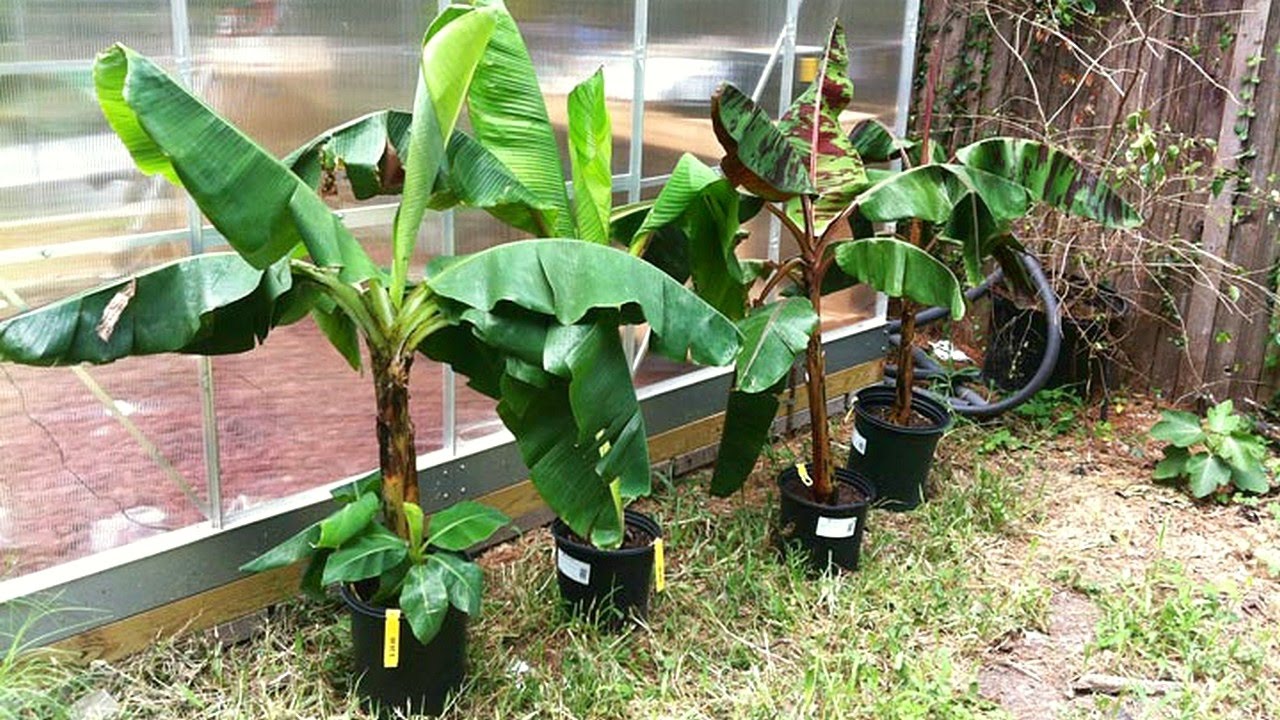
TL;DR: Grow bananas outside tropical zones by selecting resilient varieties and providing ample sun, rich soil, and consistent moisture.
- Choose cold-tolerant varieties for non-tropical climates.
- Ensure 6-8 hours of direct sun daily.
- Amend soil with organic matter for fertility and drainage.
- Plant pups or corms with adequate spacing.
- Water consistently, especially in warm weather.
Why it matters: Cultivating bananas at home reduces reliance on imported produce and offers fresh, organic fruit, even in diverse climates.
Do this next: Research local nurseries for banana varieties suited to your specific microclimate and growing conditions.
Recommended for: Home gardeners and permaculture enthusiasts keen to expand their edible landscape with tropical fruits in varied climates.
Growing bananas, often associated with tropical regions, is a feasible endeavor even in areas with milder climates, extending beyond their traditional homes in Asia, Africa, and South America, where countries like Ecuador are major exporters. While they thrive in warmth, understanding their specific needs allows for successful cultivation in various backyard settings.
The initial step in cultivating bananas involves selecting the appropriate variety. There are numerous types, each with distinct characteristics regarding size, flavor, and cold tolerance. Some varieties are more resilient to cooler temperatures, making them suitable for non-tropical environments. Researching local nurseries or agricultural extensions can help identify cultivars that are well-suited to the specific microclimate and growing conditions of a particular location.
Once a variety is chosen, preparing the planting site is crucial. Bananas require ample sunlight, ideally at least six to eight hours of direct sun daily. The soil should be rich in organic matter, well-draining, and slightly acidic to neutral, with a pH range of 6.0 to 7.0. Amending the soil with compost, aged manure, or other organic materials can significantly improve its structure, fertility, and drainage, creating an optimal environment for root development.
Planting involves either using a "pup" (a young shoot emerging from the base of a mature plant) or a corm (the underground stem). Pups are generally preferred as they establish more quickly. When planting, ensure the pup or corm is placed in a hole deep enough to cover its base, with the top of the corm or the base of the pup just below the soil surface. Spacing is also important; banana plants can grow quite large, so adequate room should be provided between plants to allow for air circulation and prevent overcrowding.
Watering is a critical aspect of banana cultivation. These plants are heavy feeders and require consistent moisture, especially during warm weather and the fruiting stage. The soil should be kept consistently damp but not waterlogged, as excessive moisture can lead to root rot. A good rule of thumb is to water deeply several times a week, adjusting the frequency based on local climate, soil type, and plant size. Mulching around the base of the plants can help retain soil moisture, suppress weeds, and regulate soil temperature.
Fertilization is equally important for healthy growth and fruit production. Bananas are nutrient-demanding plants. A balanced fertilizer, rich in nitrogen, phosphorus, and potassium, should be applied regularly, particularly during the growing season. Organic fertilizers like compost tea or fish emulsion can also be beneficial. It's advisable to follow the manufacturer's recommendations for application rates and frequency, as over-fertilization can harm the plants.
Pruning plays a role in managing banana plants. As the plant matures, it will produce multiple pups. While some pups can be allowed to grow to replace the main plant after it fruits, excessive pups can compete for resources. Removing weaker or unnecessary pups helps direct the plant's energy towards fruit production on the main stem. Once a plant has fruited, the main stem will die back and should be cut down to make way for new growth.
Protecting banana plants from cold temperatures is paramount in non-tropical climates. If temperatures are expected to drop significantly, measures such as covering the plants with frost cloths, wrapping the stems with burlap, or even bringing potted plants indoors can be necessary. Some growers in colder regions opt for varieties known for their cold hardiness or cultivate them in greenhouses.
Pest and disease management is another consideration. While bananas are generally robust, they can be susceptible to certain pests like aphids or spider mites, and diseases such as Panama disease or black sigatoka. Regular inspection of the plants can help identify issues early, allowing for timely intervention with appropriate organic or chemical treatments.
Harvesting bananas typically occurs when the fruit is still green but plump. They are usually cut from the plant as a whole bunch and then allowed to ripen indoors. This prevents