RFK Jr.'s Food Pyramid: I Grew, Then Consumed It All
By Justin Rhodes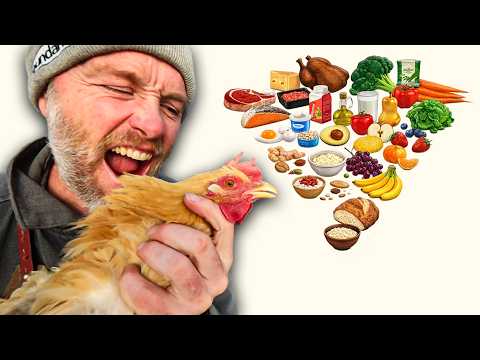
TL;DR: An individual successfully cultivated and consumed a diet based on RFK Jr.'s food pyramid, emphasizing regenerative agriculture.
- Grew staple crops, fruits, and greens for comprehensive nutrition.
- Integrated animal products from ethically raised livestock.
- Employed composting, cover cropping, and minimal tillage.
- Faced pest battles and unpredictable weather, but achieved satisfaction.
- Developed resilient, sustainable food system, enhancing soil health.
Why it matters: This experience demonstrates the feasibility and impact of adopting a self-sufficient, regenerative food system, offering insights into sustainable living and dietary control.
Do this next: Explore companion planting strategies to naturally deter pests in your garden.
Recommended for: Dedicated individuals passionate about sustainable living and food independence.
The article describes an individual's experience with cultivating and consuming food based on principles advocated by Robert F. Kennedy Jr.'s dietary recommendations. The author embarked on a project to grow a significant portion of their own food supply, aiming to align with a diet emphasizing whole, unprocessed, and locally sourced ingredients, often associated with a "food pyramid" concept promoted by Kennedy.
The journey began with an assessment of the author's existing gardening capabilities and a plan to expand them to meet the new dietary goals. This involved dedicating more land to cultivation, improving soil health, and diversifying the types of crops grown. The author focused on staple crops like grains, legumes, and root vegetables, alongside a variety of fruits and leafy greens, to ensure a comprehensive nutritional intake. Animal products, such as eggs and meat from ethically raised livestock, were also integrated into the plan, reflecting a holistic approach to food production.
A key aspect of the project was the emphasis on regenerative agricultural practices. The author detailed efforts to build soil fertility through composting, cover cropping, and minimizing tillage. These methods were employed to enhance the nutritional content of the produce and to create a more resilient and sustainable growing system. The article highlighted the challenges and rewards of these practices, noting the initial labor intensity but also the long-term benefits to soil structure and plant health.
The process of growing the food was not without its difficulties. The author recounted battles with pests, unpredictable weather patterns, and the sheer amount of time and effort required to manage a productive garden on this scale. Learning curves were steep, particularly concerning crop rotation, pest management without synthetic chemicals, and efficient water usage. Despite these hurdles, the author expressed a growing sense of satisfaction and connection to the food production process.
Once the crops matured and were harvested, the next phase involved preparing and consuming the self-grown food. The author described the experience of eating meals composed almost entirely of ingredients from their own land. This included making bread from home-grown wheat, cooking with fresh vegetables, and utilizing eggs and meat from their animals. The taste and quality of the food were consistently praised, often described as superior to commercially available alternatives.
Beyond the nutritional and culinary aspects, the article delved into the broader implications of this lifestyle choice. The author reflected on the increased self-sufficiency and reduced reliance on industrial food systems. There was a strong sense of empowerment derived from understanding the entire food chain, from seed to plate. The experience also fostered a deeper appreciation for the labor involved in food production and a greater awareness of the environmental impact of different agricultural practices.
The author concluded by summarizing the transformative nature of the project. It was presented not just as a dietary experiment but as a comprehensive lifestyle shift that brought numerous benefits, including improved health, a stronger connection to nature, and a heightened sense of personal responsibility for one's food choices. The article implicitly suggested that adopting principles similar to those espoused by figures like Robert F. Kennedy Jr. can lead to a more sustainable and fulfilling way of life.