Run for Tarkine: Protecting takayna Wilderness
By Good Life Permaculture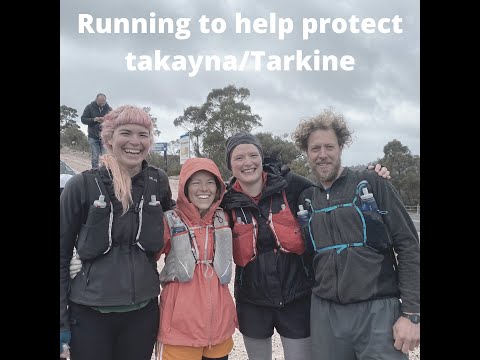
TL;DR: A runner highlights the fight to preserve takayna / Tarkine, a vital Australian wilderness facing industrial threats.
- Running to raise awareness for takayna / Tarkine.
- Region boasts unique biodiversity and ancient rainforest.
- Culturally significant to Tasmanian Aboriginal people.
- Logging and mining threaten environment and heritage.
- Conservation efforts aim to protect this vital area.
Why it matters: Protecting takayna / Tarkine safeguards critical biodiversity and respects Indigenous cultural heritage for future generations.
Do this next: Learn more about the conservation initiatives for takayna / Tarkine and how you can contribute.
Recommended for: Anyone interested in environmental conservation, Indigenous heritage, and the power of individual advocacy.
A recent initiative has been launched to raise awareness and support for the protection of takayna / Tarkine, a significant wilderness area. This effort centers around a long-distance run undertaken by a dedicated individual, aiming to highlight the ecological and cultural importance of this region. The run itself is not merely a physical challenge but a symbolic journey, drawing attention to the ongoing threats faced by this ancient landscape.
takayna / Tarkine, located in Tasmania, Australia, is recognized as one of the largest remaining temperate rainforests in the Southern Hemisphere. Its biodiversity is exceptional, hosting a multitude of unique plant and animal species, many of which are endangered or endemic to the area. The region's ecological value extends beyond its flora and fauna; it also encompasses a complex network of rivers, ancient forests, and coastal ecosystems, all contributing to a rich and interconnected natural environment.
Beyond its ecological significance, takayna / Tarkine holds profound cultural importance for the Aboriginal people of Tasmania. It is a landscape imbued with history, spirituality, and ancestral connections, containing numerous archaeological sites and sacred places that attest to thousands of years of continuous human occupation. The preservation of this area is therefore not just an environmental concern but also a matter of cultural heritage and justice.
The primary threats to takayna / Tarkine stem from industrial activities, particularly logging and mining. These operations lead to habitat destruction, fragmentation of ecosystems, and pollution of waterways, jeopardizing the delicate balance of the region's natural systems. The expansion of these industries into previously untouched areas poses a significant risk to the long-term viability of its unique biodiversity and cultural sites.
The individual undertaking the run is doing so to generate public interest and garner support for conservation efforts. The journey is designed to be a visible and tangible demonstration of commitment to the cause, encouraging others to learn about takayna / Tarkine and advocate for its protection. The hope is that by bringing this issue to a wider audience, greater pressure can be placed on decision-makers to implement stronger conservation policies and designate the area with appropriate protected status.
The initiative also seeks to emphasize the concept of permaculture principles in relation to wilderness preservation. While permaculture often focuses on cultivated systems, its core tenets of observing natural patterns, valuing diversity, and working with nature rather than against it are highly relevant to large-scale conservation. The idea is that understanding and respecting the intricate relationships within natural ecosystems, as permaculture encourages, is crucial for effective wilderness protection.
Ultimately, the run and the broader campaign aim to secure the future of takayna / Tarkine, ensuring its ecological integrity and cultural significance are preserved for generations to come. It is a call for collective action, urging individuals, communities, and governments to recognize the intrinsic value of this irreplaceable wilderness and to commit to its enduring protection from destructive industrial practices.