Jordan Dryland Revived: 80% Biodiversity, 300% Yields
By Geoff Lawton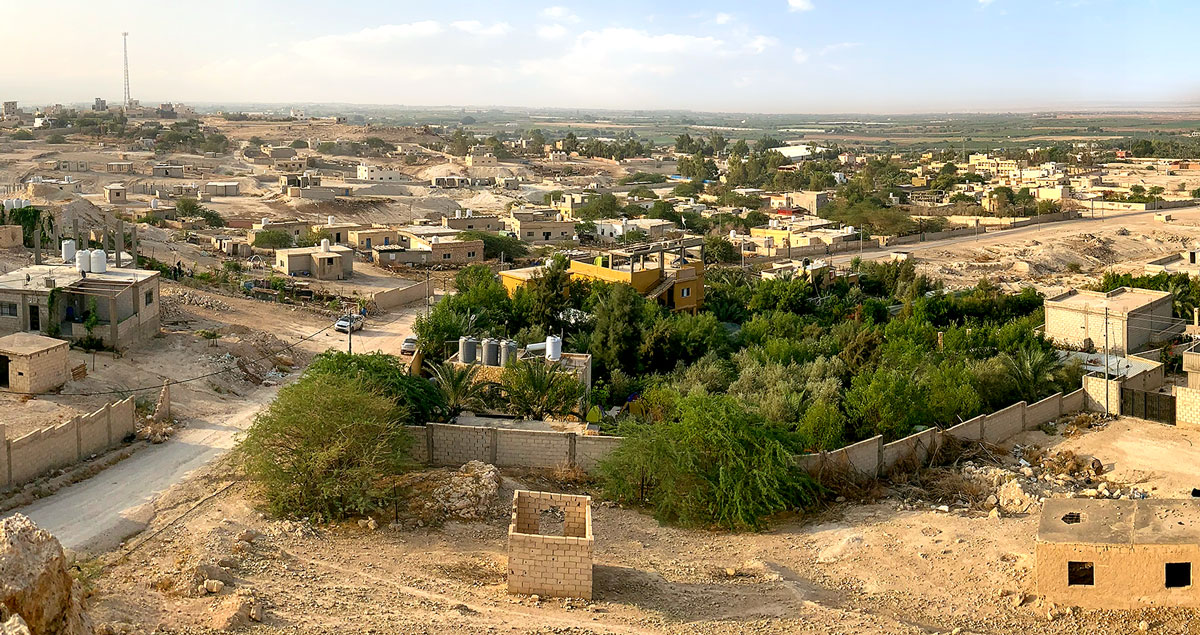
PermaNews Brief
Key Takeaways
Arid Jordan farm transforms into a thriving ecosystem, showcasing regenerative agroforestry techniques for increased biodiversity, water conservation, and crop yields.
- Keyline design and swales conserve vast amounts of water.
- Nitrogen-fixing trees are crucial for soil fertility.
- Layered planting creates diverse and productive ecosystems.
- Poultry and bees significantly boost farm health.
- Significant increases in biodiversity and soil organic matter.
Why It Matters
This case study demonstrates a successful, scalable model for transforming degraded drylands into highly productive and resilient agroecosystems, offering practical solutions for food security and environmental restoration.
What to Do Next
Start by mapping the contours of your land to identify keyline patterns for water harvesting.
Recommended for: Farmers, land managers, and permaculture enthusiasts in dryland regions seeking proven methods for ecological restoration and increased agricultural yields.
Geoff Lawton's 2025 Greening the Desert update from a 5ha Jordan site reports 80% biodiversity increase, 15m³ water savings per ha via keyline swales, and 300% yield jumps in olives/pomegranates. Step-by-step retrofit for arid self-sufficiency: survey contours with bunyip level, plow keylines (true level on contour), plant along them with nitrogen-fixers (acacias, tagasaste). Swales (1-2% grade) infiltrate 90% rainfall, raising water table 2m in 5 years. Layers: canopy (olives, carobs), understory (pomegranates, figs), groundcovers (cereal rye). Poultry/bee integration adds fertility/pollination. Metrics: soil organic matter from 0.5% to 3.5%, insect diversity tripled. Practical details: spacing (olives 7x7m), mulch 20cm deep from prunings, drip retrofits optional. Yields: Year 3 olives 5t/ha vs. baseline 1t. Scalable for drylands, with videos/templates for replication.
Source: greeningthedesertproject.org
Related Analysis
- Does Growing Your Own Food Actually Save Money? The Real Numbers — Most home gardens save money by year two — but only if the right crops are planted. Herbs and salad greens deliver 5–10x…
- Regenerative Farmers Flip Cover Crop Logic From Compliance to Profit — Practitioner accounts and a new meta-analysis suggest cover cropping is being reframed from conservation practice to pro…
Related on PermaNews
- Berlins schwimmende Gärten: Permakultur auf dem Wasser (Case Study)
- Finca Bellavista: Costa Rica's 200-Acre Water System Innovation (Case Study)
- Priya's 2024 India Report: 10-Hectare Water Harvesting Success (Case Study)
- PRI Jordan: Arid Zone Permaculture Yields 5 Tons/Hectare (Case Study)
- Holmgren's 40 Yrs: Abundant Permaculture Design Webinar 3 (Video)
- Aboriginal Cool Burns: Permaculture's Ancient Fire Wisdom (Case Study)
Explore more in Food Systems & Growing — the full hub for this knowledge area.