Turtle to Chicken Feed? Homestead Pest Control
By Justin Rhodes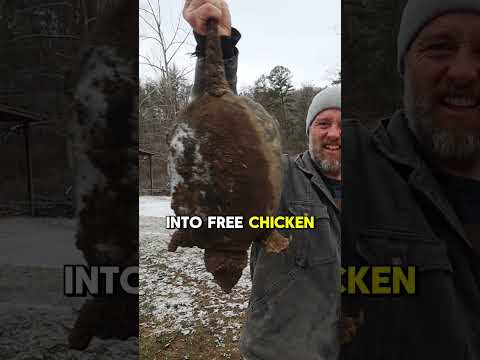
TL;DR: A homesteader repurposed a snapping turtle, a garden pest, into a high-protein chicken feed, demonstrating resource utilization and predator management.
- Turn garden pests into valuable resources.
- Process turtle for high-protein chicken feed.
- Prioritize humane dispatch and utilization.
- Close nutrient loops on your homestead.
- Protect livestock with proactive measures.
Why it matters: This approach offers a sustainable way to manage garden predators while creating a valuable feed source, reducing waste and external inputs for homesteaders.
Do this next: Consider how common garden pests on your property could be repurposed into a resource.
Recommended for: Homesteaders and permaculture practitioners seeking innovative solutions for pest management and on-site resource generation.
In a recent account, a homesteader detailed an unusual method for managing a common garden pest: the snapping turtle. The narrative began with the discovery of a large snapping turtle in a garden pond, a creature known for its predatory nature and potential threat to smaller livestock like ducks and chickens. The homesteader, having previously experienced losses due to such predators, decided to take a proactive approach to protect their flock.
The initial encounter involved the homesteader's dog alerting them to the turtle's presence. Upon investigation, a significant snapping turtle was found. Given the turtle's size and known aggressive behavior, simply relocating it was deemed insufficient, as it could easily return or pose a threat to other homesteads. The homesteader considered various options, including humane dispatch, but ultimately sought a way to utilize the animal rather than simply dispose of it.
The chosen method involved processing the turtle to create a high-protein feed supplement for the homestead's chickens. This decision was rooted in the permaculture principle of waste reduction and resource utilization. The homesteader aimed to transform a potential problem into a valuable resource, aligning with the idea of closing nutrient loops within the homestead ecosystem.
The process began with the humane dispatch of the turtle. This was followed by the careful butchering of the animal. The homesteader described the challenges associated with processing a turtle, noting the tough shell and unique anatomy. Despite these difficulties, the meat was successfully extracted.
The next step involved cooking the turtle meat. This was done to ensure it was safe for consumption by the chickens and to make it more palatable and digestible. The homesteader boiled the meat until it was tender, separating it from any bones or cartilage that could pose a choking hazard to the birds.
Once cooked, the meat was prepared for the chickens. It was finely shredded or chopped to an appropriate size for the flock. The homesteader then mixed the turtle meat into the chickens' regular feed, introducing it as a supplemental protein source. The chickens reportedly took well to the new addition, consuming it readily.
The homesteader observed several benefits from this approach. Firstly, it effectively removed a predator from the garden environment, safeguarding the poultry. Secondly, it provided a rich source of protein for the chickens, potentially improving their health and egg production. Thirdly, it demonstrated a practical application of permaculture principles, turning a perceived "pest" into a valuable asset for the homestead.
This account highlights an unconventional but effective method of pest management and resource utilization on a permaculture-oriented homestead. It underscores the philosophy of finding creative solutions to common challenges, minimizing waste, and maximizing the productivity of the land and its inhabitants. The homesteader's experience serves as an example of how a holistic approach can lead to sustainable and self-sufficient practices.