Radical Winter Pruning: Sweet Scarlet Goumi Rejuvenation
By Great Escape Farms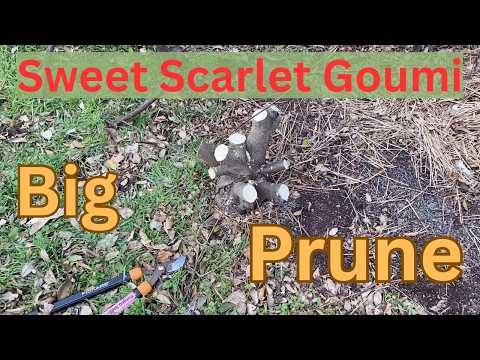
TL;DR: Aggressive winter pruning of Sweet Scarlet Goumi rejuvenates the plant, encouraging vigorous new growth and improved fruit production.
- Severe pruning revitalizes goumi plants.
- Removes old wood for new, fruitful shoots.
- Improves air circulation and light in canopy.
- Prevents disease and boosts overall plant health.
- Focus on removing dead or crossing branches.
Why it matters: Regular pruning is crucial for maintaining the health, shape, and productivity of fruit-bearing plants like goumi, ensuring long-term yield.
Do this next: Consider a similar hard prune for your mature goumi if it has become overgrown or less productive.
Recommended for: Goumi growers looking to improve plant health and fruit yield through strategic pruning techniques.
The article details the process of a significant winter pruning performed on a Sweet Scarlet Goumi plant, emphasizing the rationale and techniques employed for this particular species. The primary goal of this extensive pruning was to rejuvenate the plant, encourage more vigorous growth, and improve its overall productivity in the upcoming growing season.
The goumi plant, a nitrogen-fixing shrub, is known for its resilience and ability to thrive in various conditions. However, like many fruit-bearing plants, it benefits from regular pruning to maintain its shape, health, and fruit production. The specific goumi in question had grown quite large and dense, leading to concerns about air circulation and light penetration within its canopy. These conditions can sometimes contribute to disease and reduce fruit yield, as inner branches may not receive adequate sunlight.
The pruning operation was described as "cutting way back," indicating a more aggressive approach than a typical maintenance prune. This involved removing a substantial amount of older, less productive wood. The rationale behind this was to stimulate the plant to put energy into developing new, strong shoots that are more likely to bear abundant fruit. Older branches tend to become less fruitful over time, and their removal redirects the plant's resources towards younger, more vigorous growth.
Key steps in the pruning process likely included identifying and removing dead, damaged, or diseased branches first. This is a standard practice in pruning to prevent the spread of pathogens and to improve the plant's overall health. Following this, the focus would have shifted to thinning out overcrowded areas. This involves removing branches that are crossing, rubbing against each other, or growing inwards towards the center of the plant. Such branches can create friction wounds, which are entry points for diseases, and they also contribute to a dense canopy that restricts air and light.
Another important aspect of the "way back" pruning would have been reducing the overall height and spread of the plant. This is often done to manage the plant's size, making it easier to harvest fruit and to integrate it better into the garden space. By cutting back taller branches, the plant is encouraged to produce new growth from lower down, creating a more compact and manageable form. This also helps in promoting a bushier habit, which can lead to more fruiting wood.
The timing of this pruning, during winter, is crucial for many deciduous fruit plants, including goumi. During dormancy, the plant is not actively growing, and sap flow is minimal. This reduces stress on the plant and minimizes the risk of sap bleeding, which can attract pests or lead to disease. Winter pruning also allows the gardener to clearly see the plant's structure without the obstruction of leaves, making it easier to make informed decisions about which branches to remove.
The article implicitly suggests that while this was a significant cut, it was performed with an understanding of the goumi's growth habits and its ability to recover. Goumi plants are generally robust and respond well to even severe pruning, often bouncing back with renewed vigor in the spring. The expectation is that this aggressive pruning will result in a healthier, more productive plant in the long term, yielding a better harvest of its characteristic sweet and tart berries. The overall message conveyed is that strategic, even if seemingly drastic, pruning is a vital component of permaculture practices for maintaining plant health and maximizing yield.