Extend HVAC Life: Routine Care for Optimal Home Comfort
By Ricardo Orlando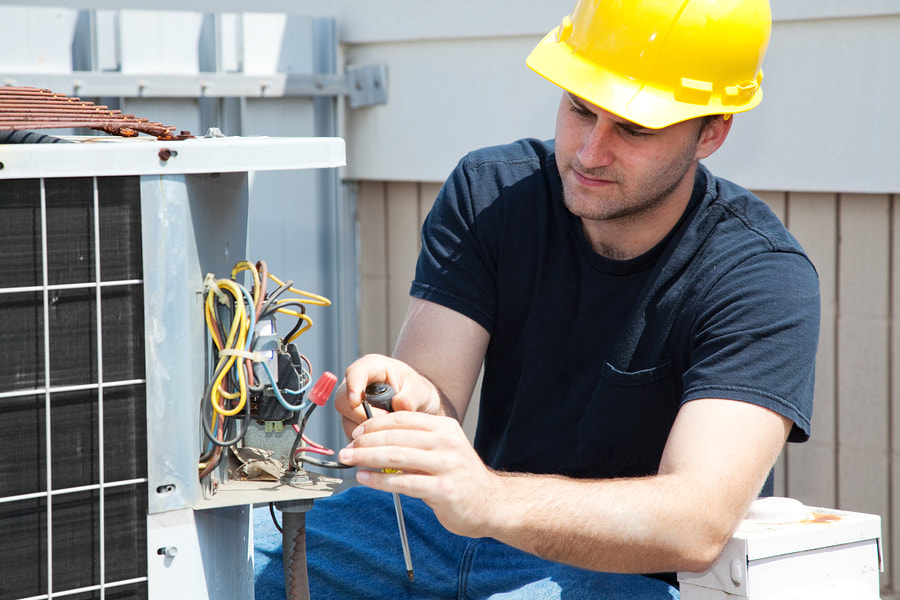
PermaNews Brief
Key Takeaways
Regular maintenance extends HVAC lifespan, optimizes performance, and prevents costly breakdowns, ensuring efficient home comfort.
- Routine care prevents wear and tear on HVAC systems, saving money.
- Clean filters improve efficiency, air quality, and reduce energy bills.
- Professional checks address electrical, lubrication, and refrigerant issues.
- Outdoor unit cleaning is vital for optimal condenser performance.
Why It Matters
Consistent HVAC maintenance directly translates to lower energy consumption, fewer repair bills, and a more comfortable and healthy indoor environment for homeowners.
What to Do Next
Check and replace your HVAC air filter today, and set a reminder for future replacements every 1-3 months.
Recommended for: Homeowners looking to extend the life of their HVAC system and reduce energy costs.
Maintaining an HVAC system through regular, routine care is essential for extending its operational life and ensuring it continues to provide optimal comfort within a home. These systems are fundamental for regulating indoor temperature, improving air quality, and managing humidity, all of which contribute significantly to a comfortable living environment. Without proper attention, an HVAC unit can experience a diminished lifespan and reduced efficiency, leading to higher energy consumption and potentially costly repairs or premature replacement.
One of the primary benefits of consistent maintenance is the preservation of the system's efficiency. Over time, components like air filters can become clogged with dust, dirt, and other debris. This accumulation forces the system to work harder to circulate air, consuming more energy and increasing utility bills. Regular filter replacement or cleaning, typically recommended every one to three months depending on usage and household conditions (e.g., presence of pets, allergies), is a simple yet highly effective maintenance task. Clean filters not only improve airflow and efficiency but also contribute to better indoor air quality by trapping airborne particles.
Beyond filters, professional maintenance involves a more thorough inspection and servicing of various critical components. Technicians typically examine electrical connections to ensure they are secure and free from corrosion, which can be a fire hazard or lead to system malfunctions. They also lubricate moving parts, such as fan motors, to reduce friction and wear, thereby preventing premature failure and minimizing operational noise. Refrigerant levels are checked in air conditioning units; low refrigerant can indicate a leak and significantly impair cooling performance, requiring more energy to achieve desired temperatures.
The outdoor unit, or condenser, also requires attention. Its coils can become dirty from leaves, grass clippings, and other outdoor debris, impeding heat exchange. Cleaning these coils allows the system to dissipate heat more effectively, improving cooling efficiency. Similarly, the evaporator coils inside the home can accumulate grime, which can affect cooling and air quality. Professional cleaning of both sets of coils is a key aspect of comprehensive maintenance.
Ductwork is another area that benefits from periodic inspection. Leaks in ducts can lead to significant energy loss as conditioned air escapes into unconditioned spaces. Sealing these leaks can dramatically improve system efficiency and comfort. Furthermore, proper calibration of the thermostat ensures accurate temperature control and prevents the system from running unnecessarily.
Ignoring these maintenance tasks can lead to a cascade of problems. Minor issues can escalate into major breakdowns, often occurring during peak usage periods when the system is under the most stress. For instance, a neglected system might experience compressor failure, a very expensive component to replace, or a complete system shutdown. These unexpected repairs can be a significant financial burden.
In essence, routine HVAC maintenance is an investment that yields substantial returns in the form of extended system longevity, consistent performance, improved energy efficiency, lower operating costs, and enhanced indoor comfort and air quality. It transforms a reactive approach to HVAC care into a proactive one, preventing problems before they arise and ensuring the system operates reliably for many years.
Source: urbanfarmonline.com
Related Analysis
- Colorado Beekeeper Lost 85% of Hives in 2021 — A Colorado beekeeper lost 85% of his hives in 2021. The sudden collapse raises questions about pesticide exposure in com…
- Bee Colony Losses Rise as Research Funding Declines — US beekeepers mobilize against colony losses and shrinking research budgets. Learn how apiarists are adapting to reduced…
Related on PermaNews
- Water-Centric Design: A Key to Sustainable Permaculture (Video)
- David Holmgren on Permaculture: A Revolutionary Gardening Approach (Video)
- UN Sounds Alarm on AI's Growing Environmental Footprint (Article)
- Exploring Permaculture with Geoff Lawton in Australia (Video)
- Over 300 Studies Reveal Chlorpyrifos Linked to Serious Health Risks (Article)
- Essential Role of Topsoil in Earth's Life Systems (Video)
Explore more in Shelter, Energy & Infrastructure — the full hub for this knowledge area.