Container Tree Growing: Essential Planting Tips
By Urban Farmer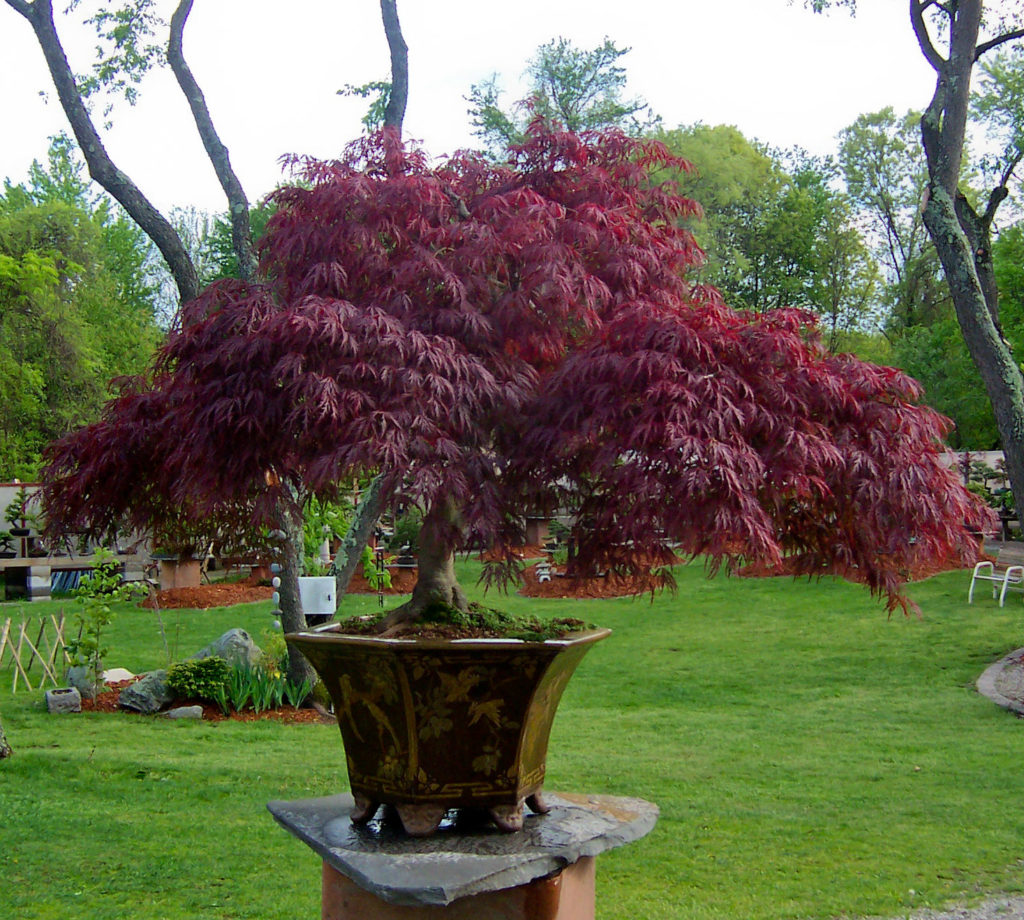
TL;DR: Container trees offer a versatile gardening solution for urban settings or areas with limited soil, providing aesthetic value and structural depth.
- Choose tree varieties suited for containers.
- Select containers that accommodate root growth.
- Utilize appropriate potting mix for drainage.
- Ensure adequate drainage holes in all pots.
- Repot progressively into larger containers.
Why it matters: Container gardening expands tree cultivation possibilities, making greenery accessible in diverse environments and enhancing urban landscapes.
Do this next: Research dwarf tree varieties or slow-growing species suitable for container life in your specific climate.
Recommended for: Urban dwellers, small-space gardeners, and those seeking to add portable greenery to their environment.
Cultivating trees in containers offers a versatile solution for gardening, particularly in environments where traditional in-ground planting isn't feasible, such as urban settings with limited soil access or paved areas. This method allows for the inclusion of both deciduous and coniferous trees, which are fundamental elements in garden design, providing structural depth and long-term aesthetic value. For those considering this approach, several key factors are crucial for ensuring the health and longevity of containerized trees.
The initial selection of the tree species is paramount. It's important to choose varieties that are well-suited to container life. Some trees naturally adapt better to restricted root space than others. Researching the mature size, growth rate, and specific environmental needs of a tree before purchase is essential. Dwarf varieties or those with naturally slower growth rates are often ideal candidates.
Once a suitable tree is chosen, the selection of the container itself becomes critical. The pot must be large enough to accommodate the tree's root system for a significant period, allowing for growth without becoming root-bound too quickly. As the tree matures, it will likely require repotting into progressively larger containers. The material of the container also plays a role; porous materials like terracotta can lead to faster drying of the soil, while plastic or glazed pots retain moisture more effectively. Regardless of the material, adequate drainage holes are non-negotiable to prevent waterlogging and root rot.
The potting medium is another vital component. Standard garden soil is generally too heavy and compacts easily in containers, hindering root development and drainage. A high-quality potting mix specifically formulated for container plants, often containing a blend of peat moss, perlite, vermiculite, and compost, provides the necessary aeration, drainage, and nutrient retention.
Proper planting technique involves carefully removing the tree from its nursery pot, gently teasing out any circling roots, and positioning it in the new container so that the root collar (where the trunk meets the roots) is level with or slightly above the soil surface. After planting, thorough watering helps settle the soil around the roots.
Ongoing care is essential for container trees. Watering frequency will depend on the tree species, container size, potting mix, and environmental conditions. Containerized trees typically require more frequent watering than their in-ground counterparts because their root systems are more exposed to air and heat. Monitoring soil moisture regularly is key. Fertilization is also important, as nutrients in potting mix can deplete over time. A slow-release granular fertilizer or a liquid feed applied according to the product's instructions can provide the necessary nourishment.
Pruning is another aspect of maintenance that helps maintain the tree's shape, size, and health. Regular structural pruning can encourage a strong framework, while occasional root pruning may be necessary during repotting to manage growth.
Finally, protecting container trees from extreme weather conditions is important. In colder climates, containers can be susceptible to freezing and thawing cycles that can damage roots. Moving pots to a sheltered location, insulating them, or even burying them temporarily can offer protection. In hot climates, providing shade during the most intense part of the day can prevent heat stress. By carefully considering these factors, individuals can successfully cultivate a diverse range of trees in containers, enriching their outdoor spaces regardless of land availability.