Himalayan Terraces: Reviving Water Cycles for Climate Resilience
PermaNews Brief
Key Takeaways
Traditional mountain terraces in the Himalayas are being restored to improve water management, increase climate resilience, and mitigate disaster risks like floods and droughts.
- Revived terraces act as hydrological sponges for water retention.
- Traditional methods enhance stability of mountain slopes.
- Indigenous rice varieties prove more resilient to climate shifts.
- Agroforestry on terraces boosts biodiversity and income.
- Community-led restoration reduces soil erosion and boosts yields.
Why It Matters
Restoring traditional agricultural terraces offers a proven, sustainable approach to combat climate change impacts in vulnerable mountain regions, providing food security and disaster protection.
What to Do Next
Research local indigenous crop varieties suitable for your region’s specific climate and soil conditions.
Recommended for: Farmers, policymakers, and community leaders in mountainous or climate-vulnerable regions interested in sustainable land management and disaster risk reduction.
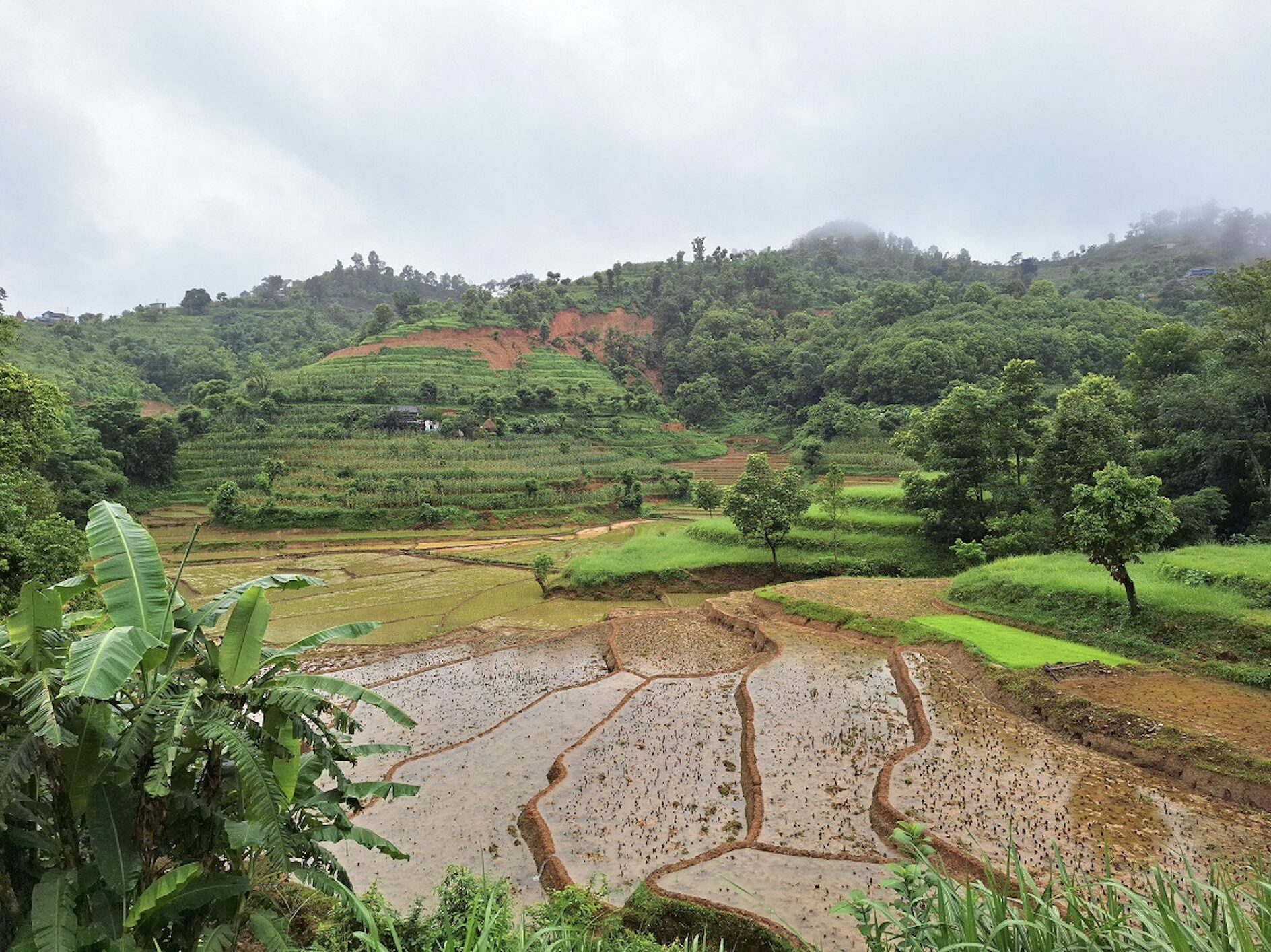
In the Hindu-Kush Himalaya region, indigenous agricultural terrace technologies are being revived to enhance water management, climate resilience, and disaster mitigation against floods, landslides, and droughts. These traditional systems, prevalent in Nepal and surrounding areas, function as hydrological sponges by capturing rainwater, reducing runoff, and recharging groundwater, thereby stabilizing slopes and supporting year-round farming in steep terrains. Case studies from Nepal highlight the restoration of abandoned terraces using local materials and community labor, reviving paddy fields with resilient indigenous rice varieties like Jumli Marshi, which withstand erratic monsoons and cold snaps better than hybrids. Integrated agroforestry approaches combine terraces with multipurpose trees such as fodder species and fruit-bearing plants, boosting biodiversity, soil fertility through leaf litter, and additional income streams for mountain farmers. The initiative addresses multifaceted climate threats by improving water retention—terraces can hold up to 30% more soil moisture—and preventing soil erosion, which affects 20-30% of Himalayan farmlands annually. Community-led efforts involve training locals in bioengineering techniques, like planting vetiver grass for slope stabilization, and constructing check dams within terraces to slow water flow. Economic analyses show restored terraces increase crop yields by 15-25% over degraded lands, with lower input costs due to natural mulching and pest control from diverse plantings. Challenges include youth outmigration reducing labor pools and land fragmentation, countered by cooperative models where villages pool resources for maintenance. Policy recommendations advocate scaling through government subsidies for seeds and tools, integrating into national adaptation plans, and linking to carbon credit schemes for afforestation components. Success stories from Mustang and Dolpa districts in Nepal demonstrate how revived terraces not only secure food production but also mitigate water-induced disasters, with reduced landslide incidents by 40% post-restoration. Broader implications extend to ecosystem services like biodiversity corridors for wildlife and cleaner river flows downstream, benefiting over 200 million Himalayan residents. Research emphasizes monitoring via GIS mapping to prioritize high-risk zones and long-term studies on hydrological impacts. This model offers scalable solutions for global mountain agriculture facing climate change, promoting regenerative practices over chemical-dependent intensification.
Source: adaptationataltitude.org
Related Analysis
- Bavarian Trial Puts Keyline Water Design to a Real Test — A certified permaculture designer's 2023–2025 field trial applies Keyline plowing to 5ha in Bavaria. Initial signs sugge…
- Projects Pivot to Integrate Rainwater Harvesting with Energy — New evidence indicates a shift toward integrating rainwater cisterns with renewable energy systems in permaculture proje…
Related on PermaNews
- Designing Regenerative Resilience: Participatory Living Labs (How-To Guide)
- Berlins schwimmende Gärten: Permakultur auf dem Wasser (Case Study)
- Finca Bellavista: Costa Rica's 200-Acre Water System Innovation (Case Study)
- Priya's 2024 India Report: 10-Hectare Water Harvesting Success (Case Study)
- Holmgren's 40 Yrs: Abundant Permaculture Design Webinar 3 (Video)
- Amazonas: Chakra Waldgärten – Dynamische Agroforst-Wunder (Case Study)
Explore more in Water, Climate & Adaptation — the full hub for this knowledge area.