Transform Your Lawn: 7 Tips for a Stellar Landscape
By Ricardo Orlando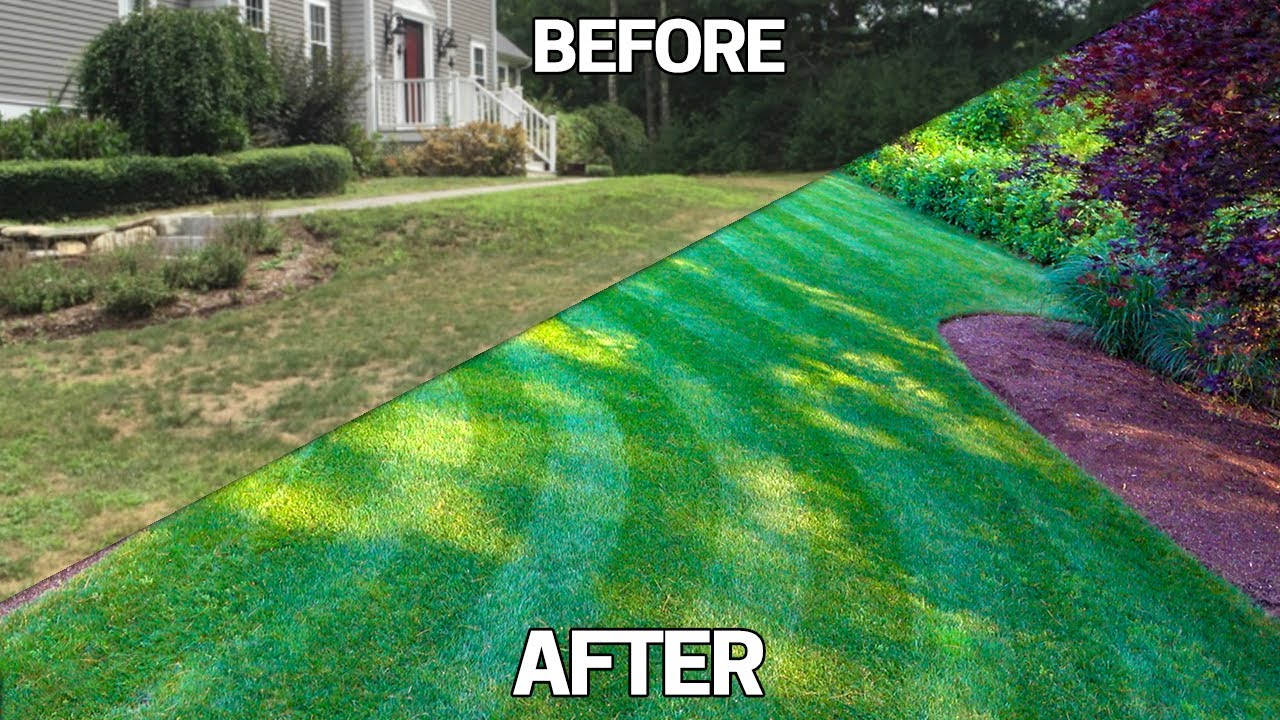
PermaNews Brief
Key Takeaways
Transform an unappealing lawn into a vibrant, green space by improving soil health, selecting appropriate plant material, and implementing effective maintenance practices.
- Test soil to understand composition, pH, and nutrient deficiencies.
- Aerate to alleviate compaction and improve water penetration.
- Choose grass varieties suited to local climate and site conditions.
- Overseed thin areas to thicken the lawn and fill in bare spots.
- Incorporate flower beds, shrubs, and trees for visual interest.
Why It Matters
A well-maintained lawn significantly enhances a home's curb appeal, serving as a visual extension of the property and increasing property value.
What to Do Next
Conduct a soil test to understand your lawn's underlying conditions and inform amendments.
Recommended for: Homeowners looking for practical steps to improve their lawn's appearance and health.
A well-maintained lawn significantly enhances a home's curb appeal, serving as a visual extension of the property. For homeowners aiming to transform an unappealing lawn into a vibrant, green space, several strategic landscaping approaches can be employed. These methods focus on improving soil health, selecting appropriate plant material, and implementing effective maintenance practices.
One fundamental step involves addressing the underlying soil conditions. Often, an "ugly" lawn is a symptom of poor soil quality. Conducting a soil test is crucial to understand its composition, pH levels, and nutrient deficiencies. Based on these results, amendments such as compost, organic matter, or specific fertilizers can be incorporated to create a more hospitable environment for grass and other plants. Improving drainage is also vital; compacted soil or areas with standing water can lead to root rot and patchy growth. Aerating the lawn can alleviate compaction, allowing water, air, and nutrients to penetrate more effectively.
Beyond soil improvement, selecting the right type of grass for the local climate and specific site conditions is paramount. Some grass varieties thrive in full sun, while others prefer partial shade. Considering factors like drought tolerance, disease resistance, and traffic tolerance will ensure the chosen grass has the best chance of flourishing. Overseeding existing thin areas with new grass seed can help thicken the lawn and fill in bare spots, contributing to a more uniform appearance.
Strategic planting of additional greenery can further enhance the lawn's aesthetic. Incorporating flower beds, shrubs, and ornamental trees can add color, texture, and visual interest, breaking up large expanses of grass. When designing these elements, consider the mature size of plants, their light requirements, and their water needs to ensure they thrive without overcrowding or competing excessively with the lawn. Creating defined borders for these beds can also give the yard a more polished and intentional look.
Effective watering practices are another key component of lawn care. Overwatering can be just as detrimental as underwatering, leading to fungal diseases or shallow root systems. Deep, infrequent watering encourages grass roots to grow deeper, making the lawn more resilient to drought and stress. Utilizing smart irrigation systems or watering early in the morning can minimize water loss due to evaporation.
Regular maintenance, including proper mowing techniques, is essential. Mowing at the correct height for the grass type promotes healthier growth and can help shade out weeds. Sharpening mower blades regularly prevents tearing of grass blades, which can make the lawn more susceptible to disease. Furthermore, consistent weed control, whether through manual removal, targeted herbicides, or pre-emergent applications, is necessary to prevent weeds from competing with grass for resources and detracting from the lawn's appearance.
Finally, considering the overall design and functionality of the outdoor space can elevate the lawn beyond just grass. Adding features like pathways, decorative stones, or even a small seating area can create a more inviting and usable yard. These elements can complement the greenery and provide focal points, transforming a simple lawn into a more engaging landscape. By systematically addressing soil health, plant selection, and ongoing maintenance, homeowners can effectively revitalize an unappealing lawn into a beautiful and thriving outdoor environment.
Source: urbanfarmonline.com
Related Analysis
- Regenerative Farmers Flip Cover Crop Logic From Compliance to Profit — Practitioner accounts and a new meta-analysis suggest cover cropping is being reframed from conservation practice to pro…
- Farmers Convert Six Weeks of Rhubarb Into 25-Year Supply — Initial signals suggest a rhubarb preservation technique can extend a brief seasonal harvest into 25 years of storage—a …
Related on PermaNews
- Federal Policy Shift: Native Regenerative Ag for Soil & Carbon (Article)
- Nagaland's Jhum-Alder Agroforestry: Climate-Smart Farming (Article)
- Aboriginal Cool Burns: Permaculture's Ancient Fire Wisdom (Case Study)
- Crop Rotation Boosts Soil Biodiversity: Global Meta-analysis (Article)
- Revolutionizing Agriculture: People, Nature, & a Fertile Earth (Article)
- The Rewilders: Restoring the Ancient Pulse of the Aravallis (Video)
Explore more in Food Systems & Growing — the full hub for this knowledge area.